
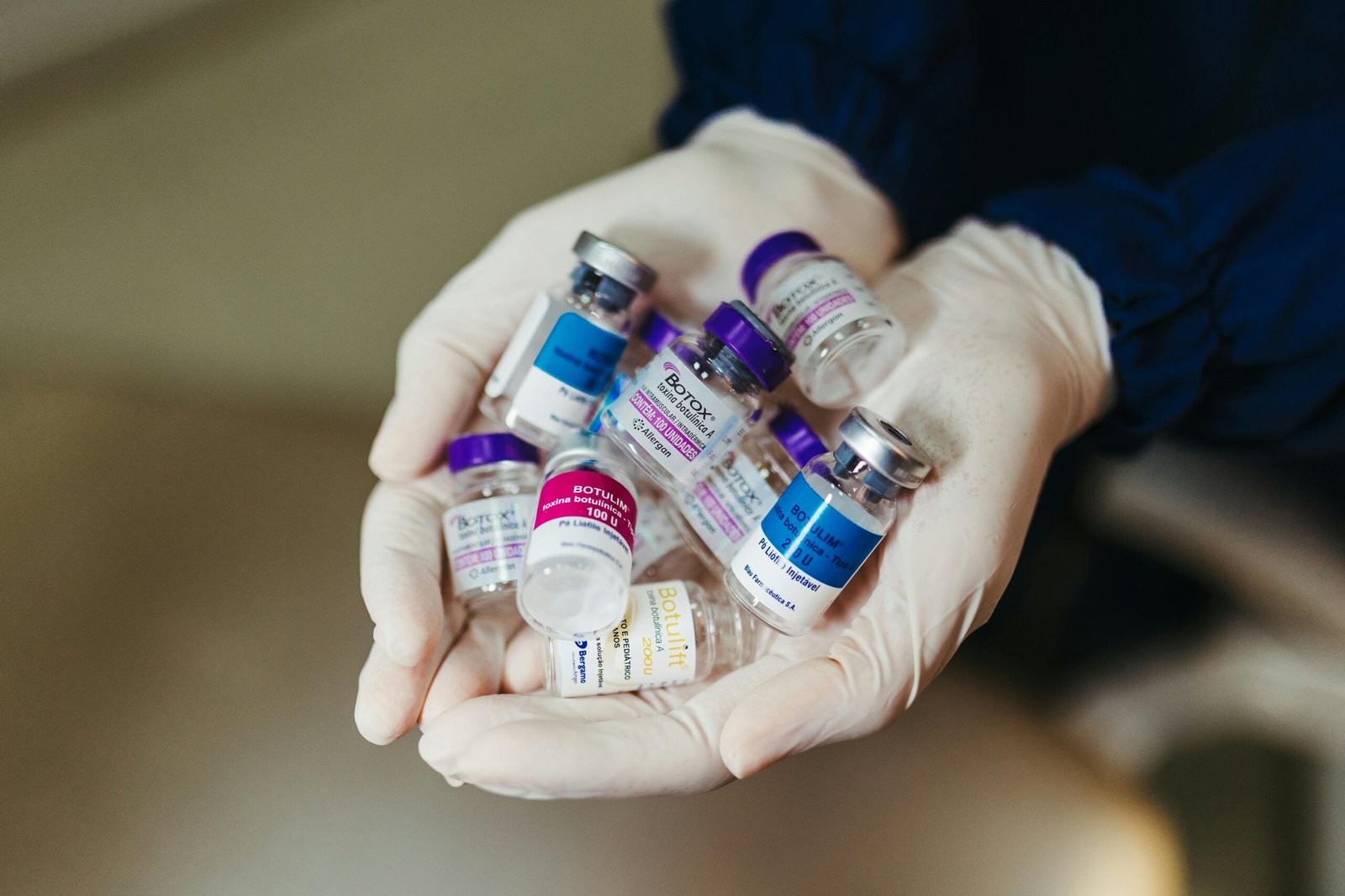
A vial filling machine measures a liquid or powder product into glass or plastic vials. Depending on the configuration, the same system may also insert stoppers, apply caps and transfer the containers to inspection or labelling equipment.
These machines are used when manual filling cannot provide the required repeatability, output or contamination control. They are common in pharmaceutical, biotechnology, diagnostic, veterinary and selected cosmetic production.
If you are already comparing equipment, visit the KING PACK vial filling machines and processing lines. For a detailed comparison of machine types, read our vial filling machine selection guide.
What Does a Vial Filling Machine Do?
The core function is accurate dosing. Empty vials are positioned below or beside the filling nozzles, the selected dosing system dispenses the product, and the filled containers move to the next operation. A standalone machine may only fill, while an integrated system can also handle stoppering, capping and line transfer.
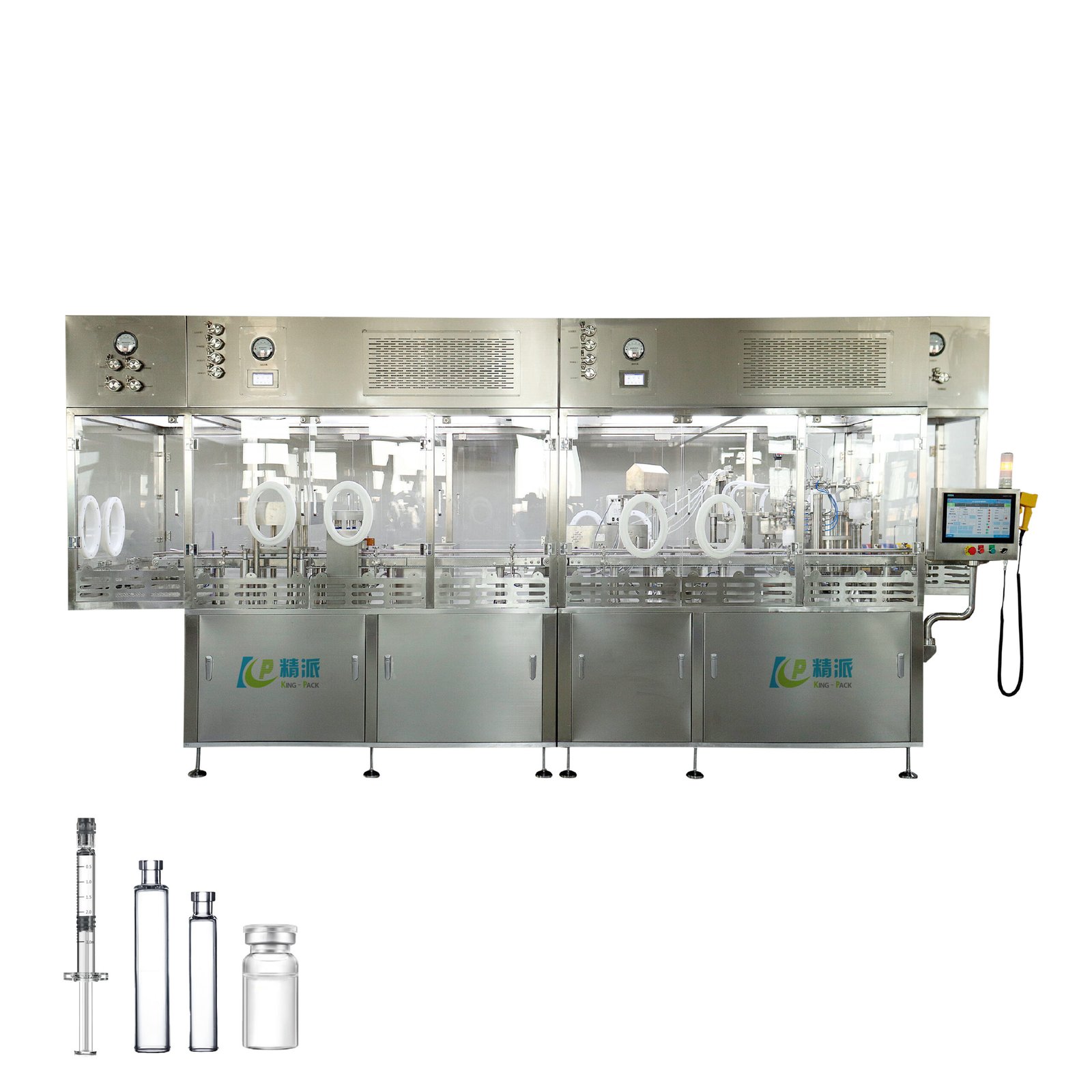
Basic Vial Filling Process
- Container infeed: Vials enter from a tray, turntable, conveyor or upstream washing line.
- Positioning: Guides or star wheels place each vial at the filling station.
- Dosing: The filling system dispenses the required amount of liquid or powder.
- Stoppering: A stopper may be fully or partially inserted according to the product process.
- Capping: An aluminium or other specified closure is fed and secured when capping is included.
- Discharge: Finished vials move to inspection, coding, labelling or secondary packaging.
Main Parts of a Vial Filling Machine
| Part | Purpose |
|---|---|
| Infeed and handling system | Moves and positions vials without damaging the containers. |
| Dosing system | Measures and dispenses the product. |
| Filling nozzles | Direct the product into the vial and help control dripping or foaming. |
| Stopper and cap feeders | Orient closures and deliver them to the application station. |
| Drive and controls | Coordinate machine timing, recipes, alarms and operating parameters. |
| Guards or enclosure | Separate moving parts and, where specified, support the required production environment. |
Common Vial Dosing Methods
Peristaltic Pump Filling
Product travels through flexible tubing and is moved by rollers outside the fluid path. This method can simplify product changeover because the product-contact tube can be replaced.
Piston or Ceramic Pump Filling
A defined pump displacement meters the dose. The correct pump material and size depend on the product, filling range and cleaning requirements.
Time-Pressure Filling
Controlled pressure and valve-opening time determine the delivered quantity. Stable product conditions and process control are important for repeatable results.
Standalone Machine or Complete Vial Line?
A standalone filler is appropriate when washed vials are supplied separately and existing equipment already handles closures or downstream packaging. A complete line is better when washing, drying, filling, stoppering, capping and labelling must operate as a coordinated process.
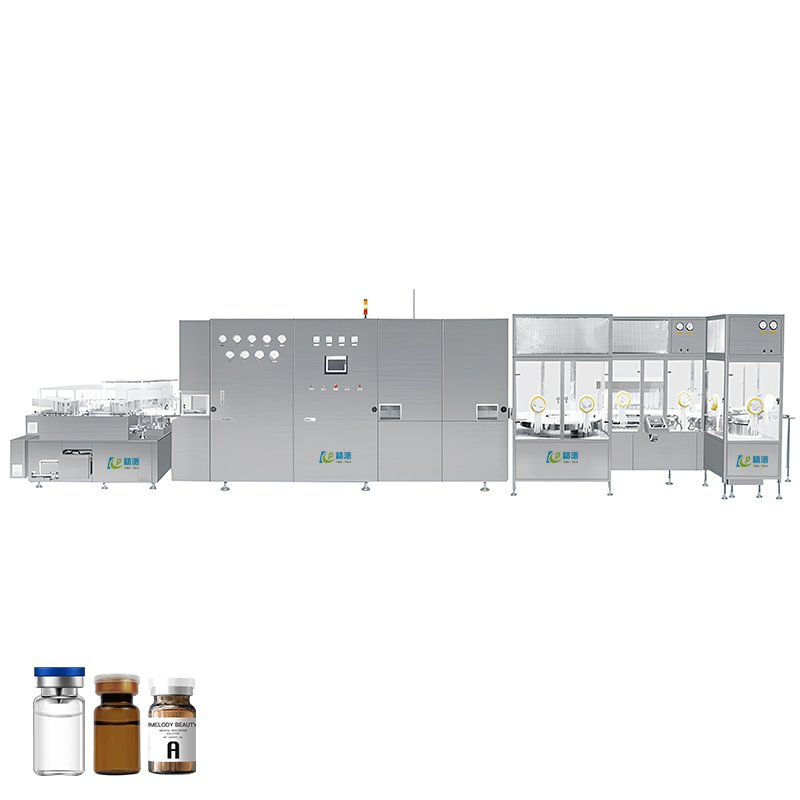
Line selection should consider container transfer, buffer capacity, changeover time, controls and the required connection to upstream or downstream equipment. See the complete vial processing line options.
Liquid, Powder and Lyophilized Vial Products
- Liquid products need a dosing method matched to viscosity, fill volume and product-contact requirements.
- Powder products require a powder dosing system selected for the powder’s flow and containment characteristics.
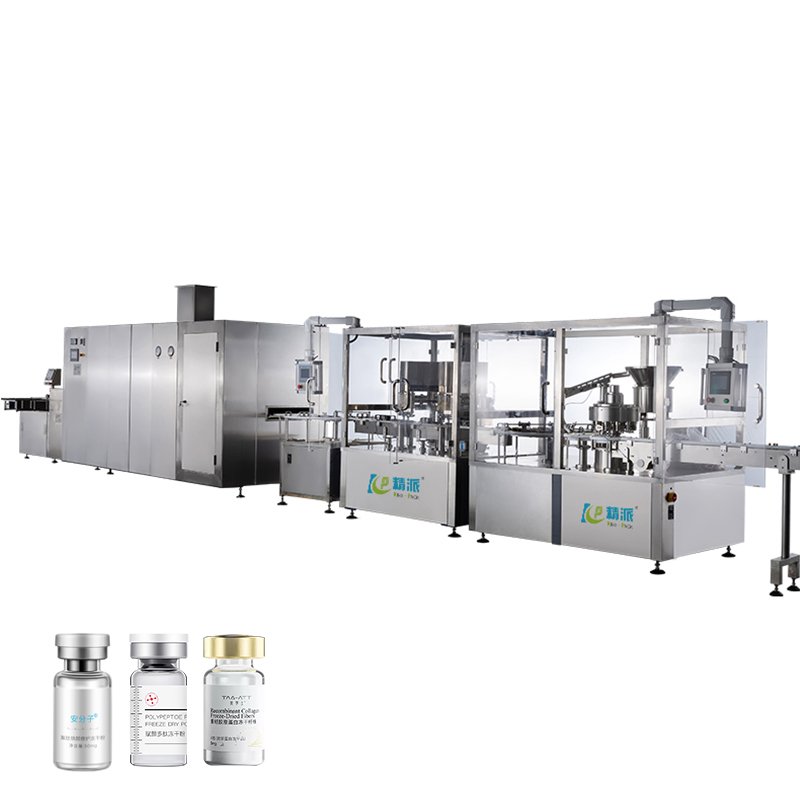
- Lyophilized products commonly require liquid filling, partial stoppering and a defined transfer interface with a freeze dryer.
Does a Vial Filling Machine Make the Process Sterile?
No machine by itself makes a process sterile. Aseptic or sterile filling depends on the complete production system: container preparation, product path, environmental controls, operating procedures, cleaning, monitoring and validation. These requirements must be defined during project planning.
Information Needed Before Selecting a Machine
- Product type and relevant physical characteristics
- Vial dimensions, stopper and cap specifications
- Fill-volume range and required output
- Required dosing accuracy and acceptable product loss
- Cleaning, product-contact and production-environment requirements
- Need for washing, drying, stoppering, capping, inspection or labelling
Frequently Asked Questions
Can one vial filling machine handle different container sizes?
Often yes, within its designed format range. Change parts and parameter adjustments may be required, so vial drawings and samples should be checked before the format range is confirmed.
Does vial filling always include stoppering and capping?
No. Filling, stoppering and capping can be separate machines or combined stations. The correct arrangement depends on the process and required output.
What information should I send for a quotation?
Send the product type, vial and closure drawings, fill-volume range, target output, process flow and available layout. Samples are also useful when the machine configuration is being confirmed.
Discuss a Vial Filling Application
Review the KING PACK vial filling machine range, including the KPGZA500 nested-container machine, the liquid vial linkage line and the powder vial line.
Contact the KING PACK project team to discuss the container, product, dosing method and line scope.