
Pharmaceutical Syringe Filling Solutions, Built Around the Product
KING PACK engineers dosing, syringe handling, closure and inspection around your formulation and package—not around one fixed machine.
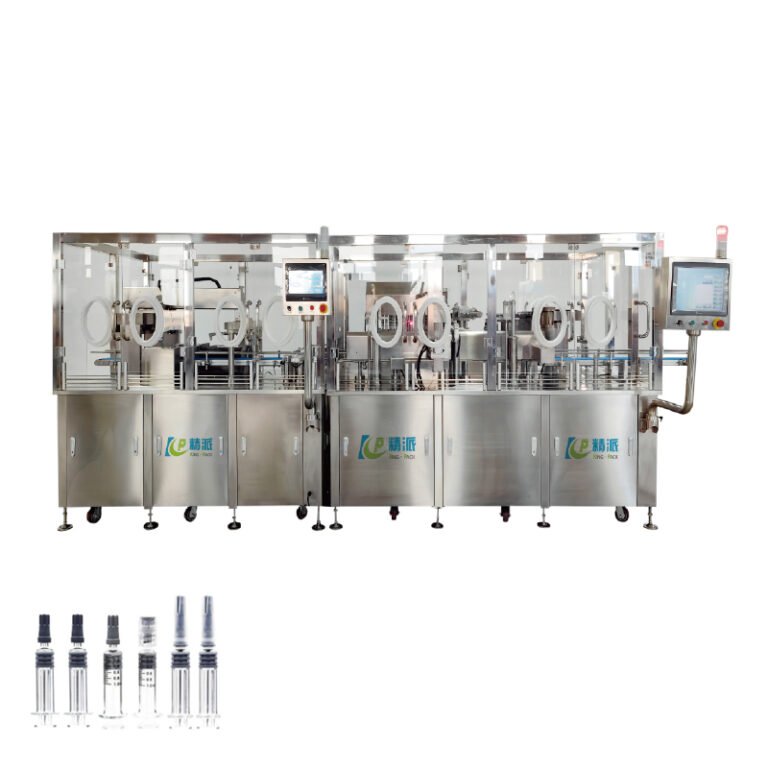 MACHINE REFERENCE · FILLING LINE
Main Machine Models
Core platforms for pharmaceutical syringe filling.
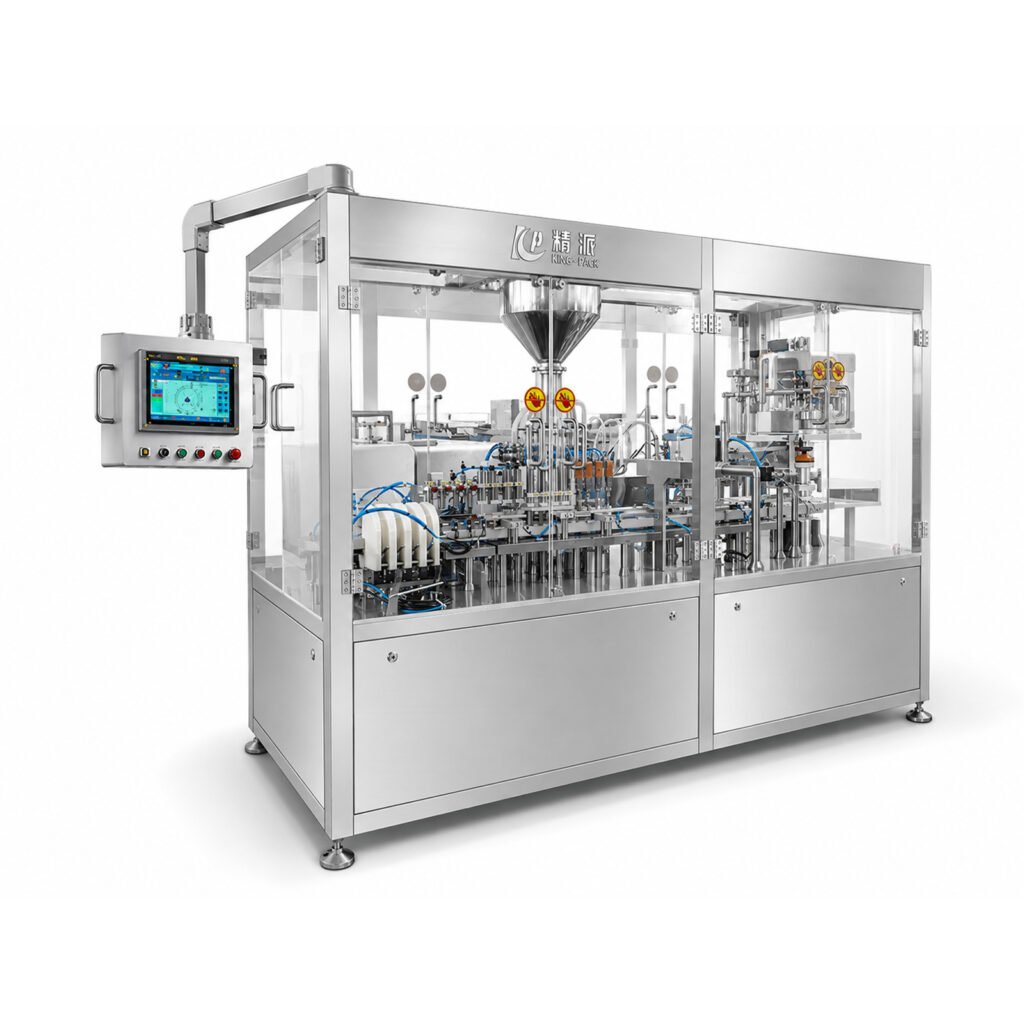
Automatic Four-Station Gel Filling Machine
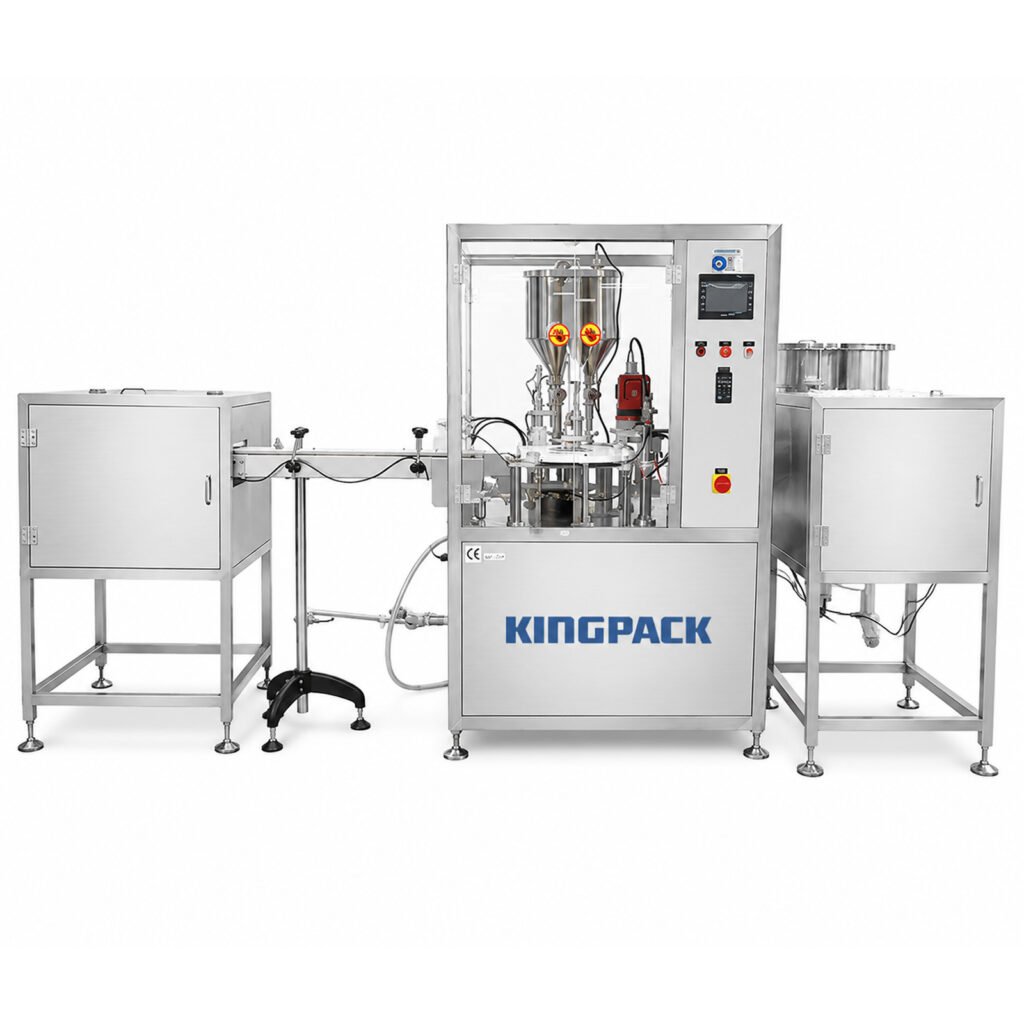
Double-Station Automatic Gel Filling Machine
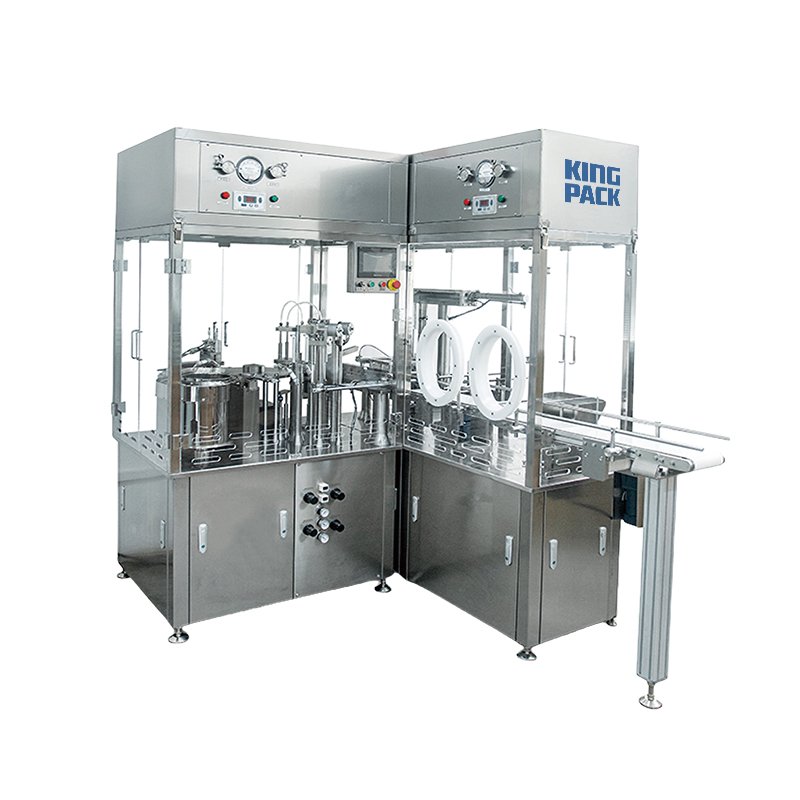
Pre-filled Syringe Vacuum Filling
Your Solution Is a Combination of Process Modules
Only the modules required by the formulation, syringe and quality criteria are integrated into the proposed route.
Engineering decisions start with the product
Our team maps the contact path, package path and evidence path before recommending an equipment combination.
- Formulation-led: viscosity, temperature, settling, foam and stringing.
- Package-led: tip, barrel, plunger, closure and orientation.
- Evidence-led: samples, acceptance criteria and FAT records.
Different Formulations Need Different Process Routes
We begin with how the material behaves, then configure feeding, dosing, contact parts and assembly around it.
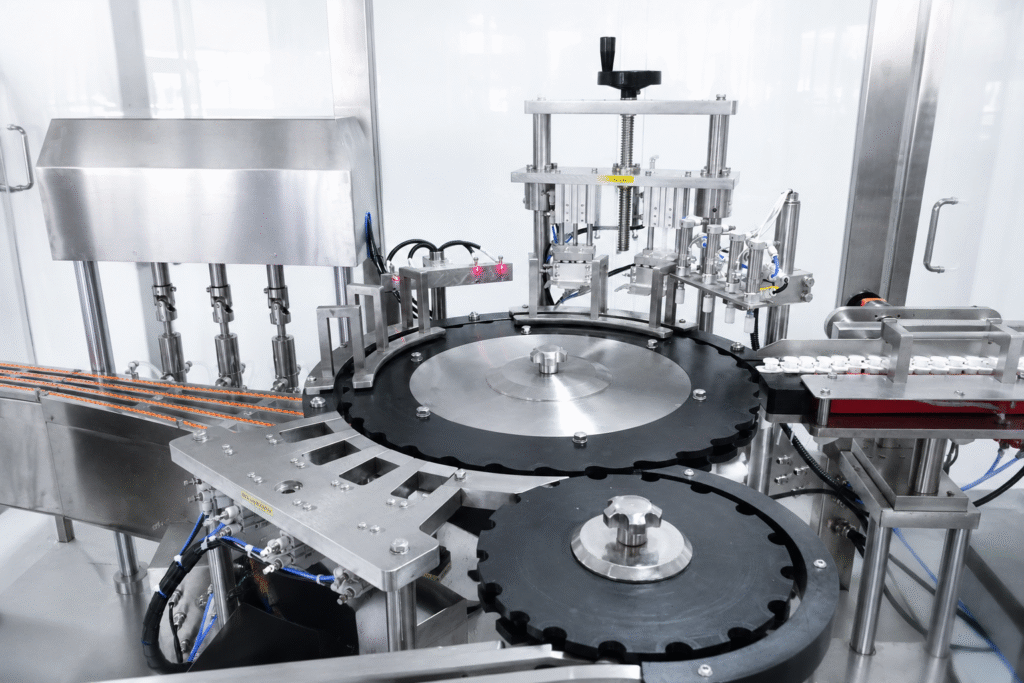
Start with the formulation, not a fixed machine model
Viscosity, settling, foam, stringing and package geometry determine the right feeding, dosing, cut-off and closing modules.
Prefilled Injectable Syringes
Liquid or suspension dosing, air control, stopper placement and inspection are matched to the syringe path.
Discuss prefilled formats →Ophthalmic & Dental Gels
Small-dose accuracy, narrow tips and clean cut-off are reviewed around gel rheology and package geometry.
Discuss gel applicators →Urological & Vaginal Formats
Long applicators and flexible package paths require stable orientation, gentle transfer and controlled closing.
Discuss applicator formats →Flush & Specialty Syringes
Format changeover, component feeding and verification points are set around the approved package family.
Review a specialty format →What We Confirm Before Acceptance
Professionalism is shown through documented trials with the actual product and package.
From Product Sample to FAT
Bring the formulation, syringe components and target output. We turn them into a traceable engineering review and sample-test plan.
Real formulation behavior
Temperature, viscosity, settling, foam and cut-off are checked before final contact parts are selected.
Real syringe geometry
Fixtures and transfer steps follow the actual barrel, tip, plunger and closure dimensions.
Evidence you can review
Acceptance criteria are translated into test points for dosing, presence, air and assembly checks.
Recorded handover
Factory acceptance is based on agreed samples and documented results, not an unsupported claim.
Questions We Resolve Before Recommending Equipment
Is the product a liquid, suspension, gel, cream or paste?
That choice influences the hopper, transfer, dosing pump, nozzle design, venting and cleanability route.
Should the syringe be filled from the front or rear?
We review syringe construction, component supply state, product behavior and the assembly sequence before selecting the direction.
What package samples are required?
Send representative barrels, tips, plungers, closures and any secondary packaging that changes orientation or handling.
What determines final speed and accuracy?
Final values depend on formulation, fill volume, package geometry, tooling and the agreed acceptance criteria. They are confirmed through trials.
Tell Us About Your Pharmaceutical Syringe Project
Share your formulation, syringe samples and production target. Our engineering team will recommend a practical filling route and sample-test plan.
More About Prefilled Syringe Filling
Practical notes on aseptic filling, pump selection and vacuum control for prefilled syringe projects.

Aseptic Prefilled Syringe Filling Machine: A Complete Guide
How dosing, air control, stopper placement and validation fit into a prefilled syringe route.
READ ARTICLE →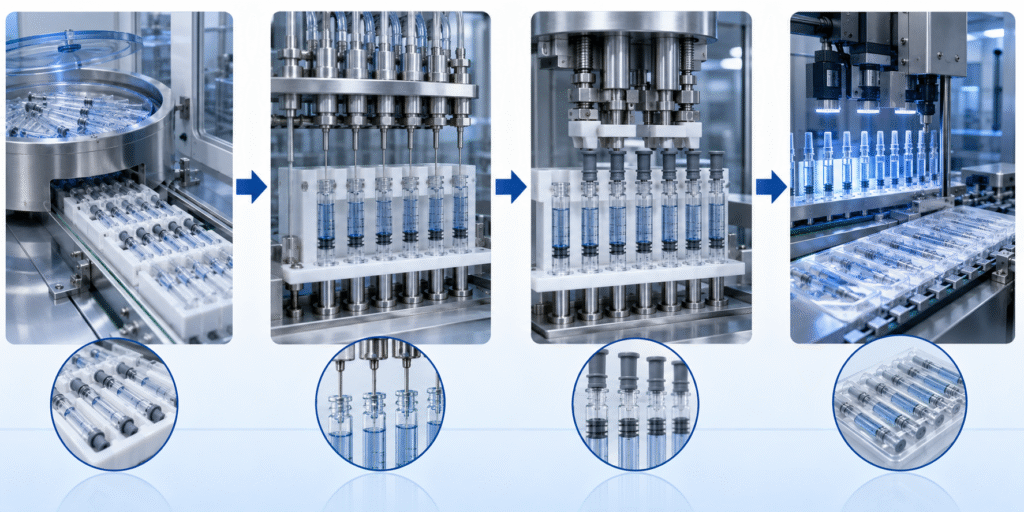
Precision Filling for Prefilled Syringes
Review fill-volume control, product contact parts and repeatability before equipment selection.
READ ARTICLE →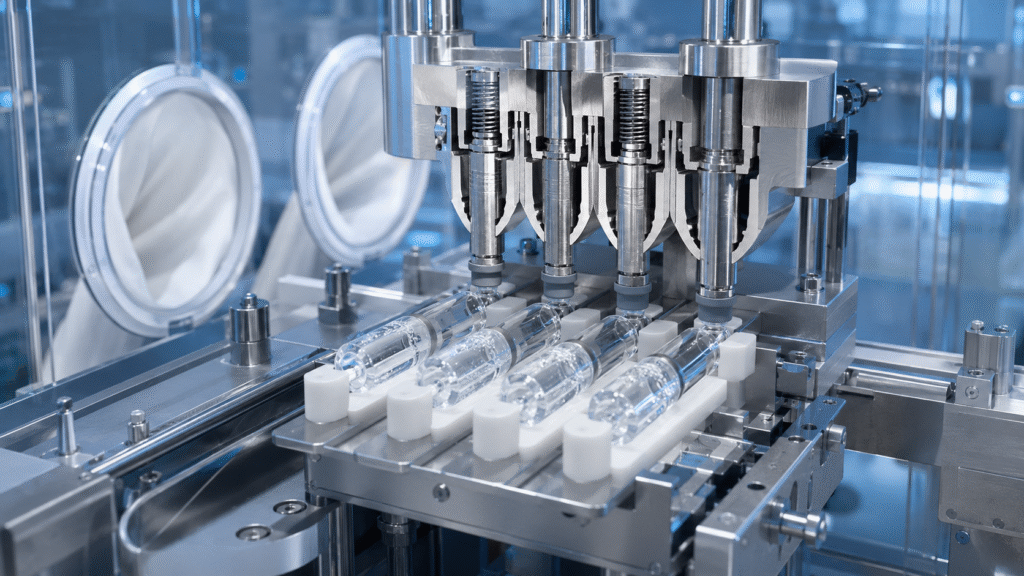
Controlled Vacuum and Stopper Placement
Why air management and closing sequence should be tested with the actual syringe components.
READ ARTICLE →