
VETERINARY PET-DROP FILLING SPECIALIST
Pet Drops Filling Solutions, Built Around the Dose
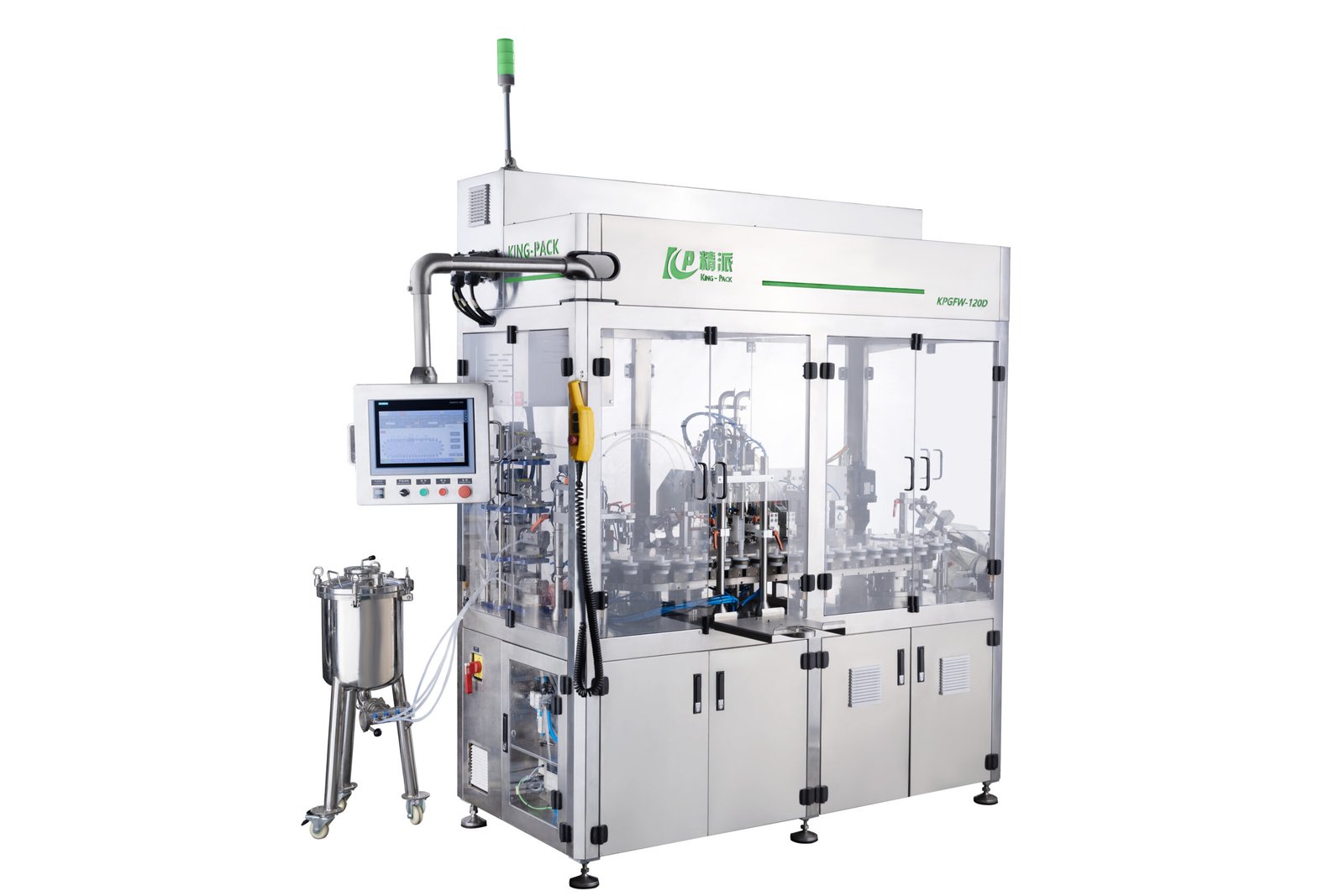
A pet drops filling machine must match the formulation, dose and package. KING PACK configures spot-on pipette filling, veterinary dropper bottle handling, sealing and inspection around your product—not around one fixed machine.
APPLICATION CATEGORIES
Precision Liquid Filling Across Care Applications
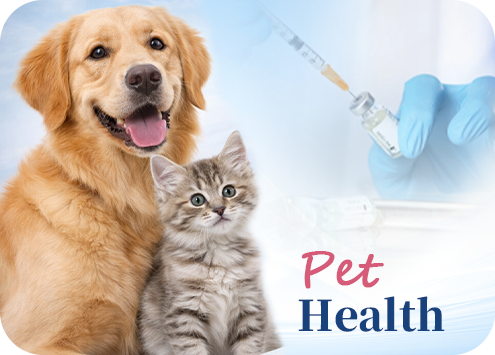
Each category begins with the product, dose and package. The images are visual references; the equipment route is configured to the actual application.
PRIMARY APPLICATION
Pet Health
Veterinary spot-on treatments, ear drops, eye drops and other small-dose animal-health liquids.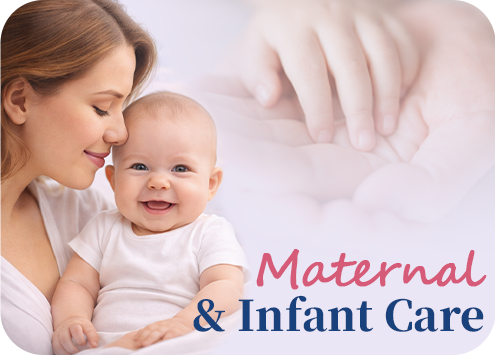
RELATED LIQUID FORMAT
Maternal & Infant Care
Gentle-care liquids and precision-dose products that use comparable bottle, dropper or single-dose formats.
RELATED LIQUID FORMAT
Women’s Health
Personal-care and pharmaceutical liquids where accurate dosing, clean filling and secure closing are essential.START WITH THE PACKAGE
One Product Category. Different Process Routes.
Spot-on pipettes, dropper bottles and sterile veterinary drops do not share one universal filling sequence.
SINGLE-DOSE PACK
Spot-On Pipette Route
For flea, tick and other topical veterinary liquids in squeezable plastic pipettes.
- Micro-volume dosing
- Nozzle insertion and clean cut-off
- Controlled hot-air sealing
MULTI-PART CLOSURE
Dropper Bottle Route
For veterinary eye, ear, nasal and topical liquids supplied in bottles with inserts and caps.
- Bottle orientation and filling
- Plug or dropper insertion
- Capping and torque control
ASEPTIC PROJECT SCOPE
Sterile Pet-Drop Route
For sterile ophthalmic, otic or nasal products where the production environment is part of the filling system.
- Sterile product preparation
- Grade A filling protection
- Qualification and media-fill scope
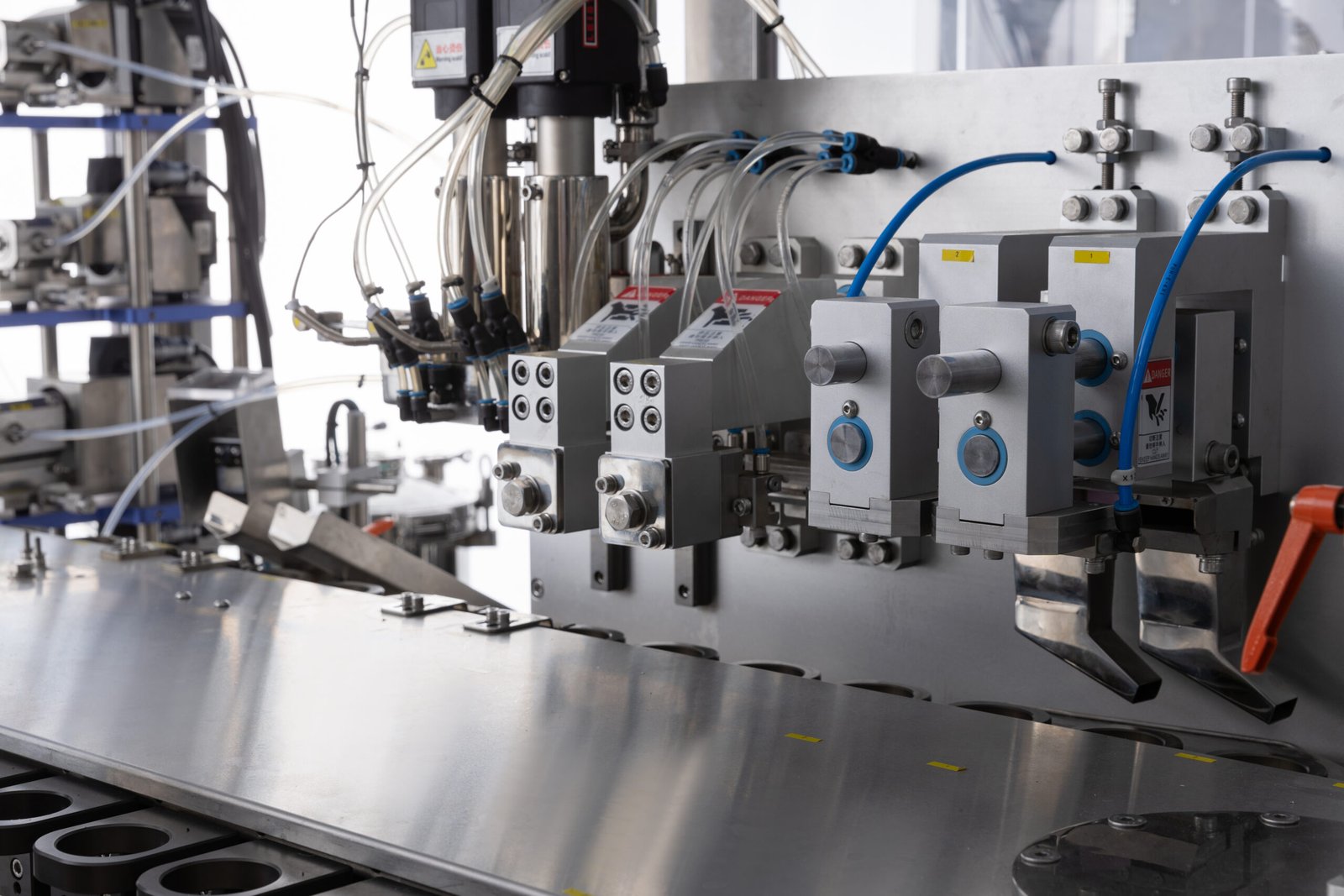 FILLING & SEALING DETAIL
THE COMPLETE LINE
Your solution is a combination of process modules
Only the modules required by the formulation, package and acceptance criteria are integrated.
PROCESS FIRST
What We Confirm Before Recommending Equipment
Reliable micro-dose filling starts with real samples and a defined acceptance method.
Send your package detailsFormulation behavior
Viscosity, solvent compatibility, foaming, temperature sensitivity and active-ingredient value.
Package architecture
Pipette or bottle material, dimensions, tolerances, supply state and closing method.
Output and format range
Target speed, minimum and maximum dose, SKU count and required changeover time.
Acceptance criteria
Sampling plan, dose tolerance, seal test, reject logic and required qualification documents.
CORE ENGINEERING STRENGTHS
Four Controls That Protect Every Dose
Metering, sealing, monitoring and changeover are engineered as one connected production route.
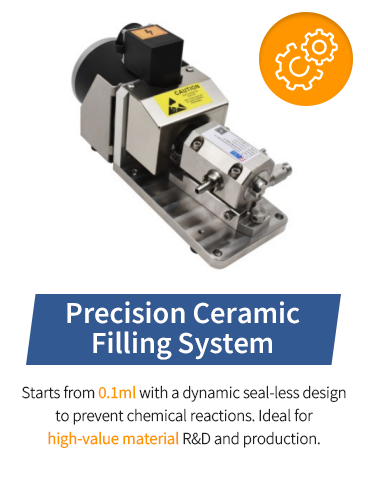
Micro-dose control
Precision Ceramic Filling
A dynamic seal-less metering design supports fills from 0.1 mL and keeps high-value liquids isolated from the pump mechanism.
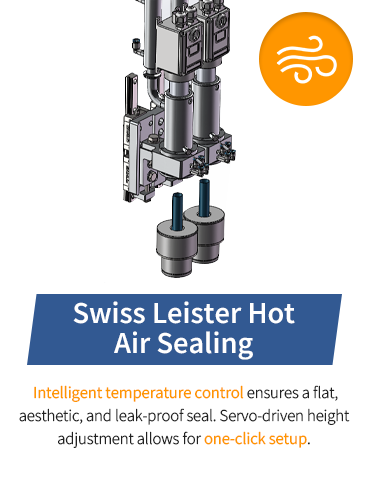
Seal integrity
Leister Hot-Air Sealing
Intelligent temperature control and servo height adjustment are configured around the pipette material and seal geometry.
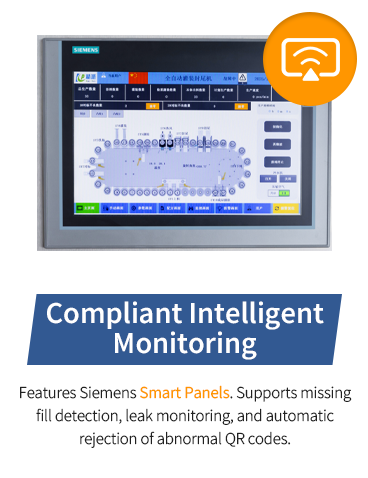
Process visibility
Intelligent Monitoring
Siemens controls can support recipe management, missing-fill detection, leak monitoring and automatic rejection.
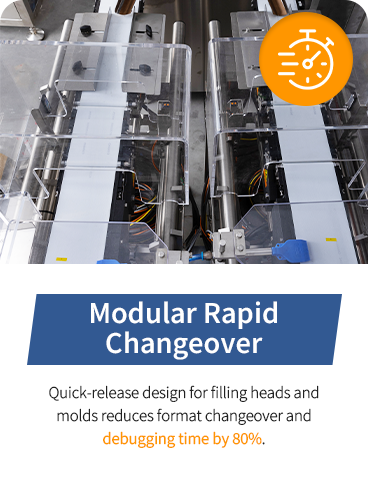
Multi-SKU flexibility
Rapid Format Changeover
Quick-release filling heads and molds simplify SKU changes and reduce the adjustment work between formats.
LINE REFERENCE
Reference Performance
A starting point for single-dose pet drop projects. Final output and accuracy are confirmed with the actual formulation and pack.
Reference values are configuration-dependent and verified during sample testing.
SAMPLE-TO-FAT
What We Prove Before Acceptance
Dose repeatability
Measure fills at minimum, nominal and maximum target volumes.
Clean package finish
Check nozzle cut-off, splashing, residue and external wetting.
Seal or closure integrity
Agree the test method for the real pipette, plug and cap system.
Changeover recovery
Confirm recipe recall, format adjustments and restart stability.
MACHINE FEATURES
Built for Product Protection and Traceable Operation
The line can be configured around chemical compatibility, hygienic access and the documentation required by the project.
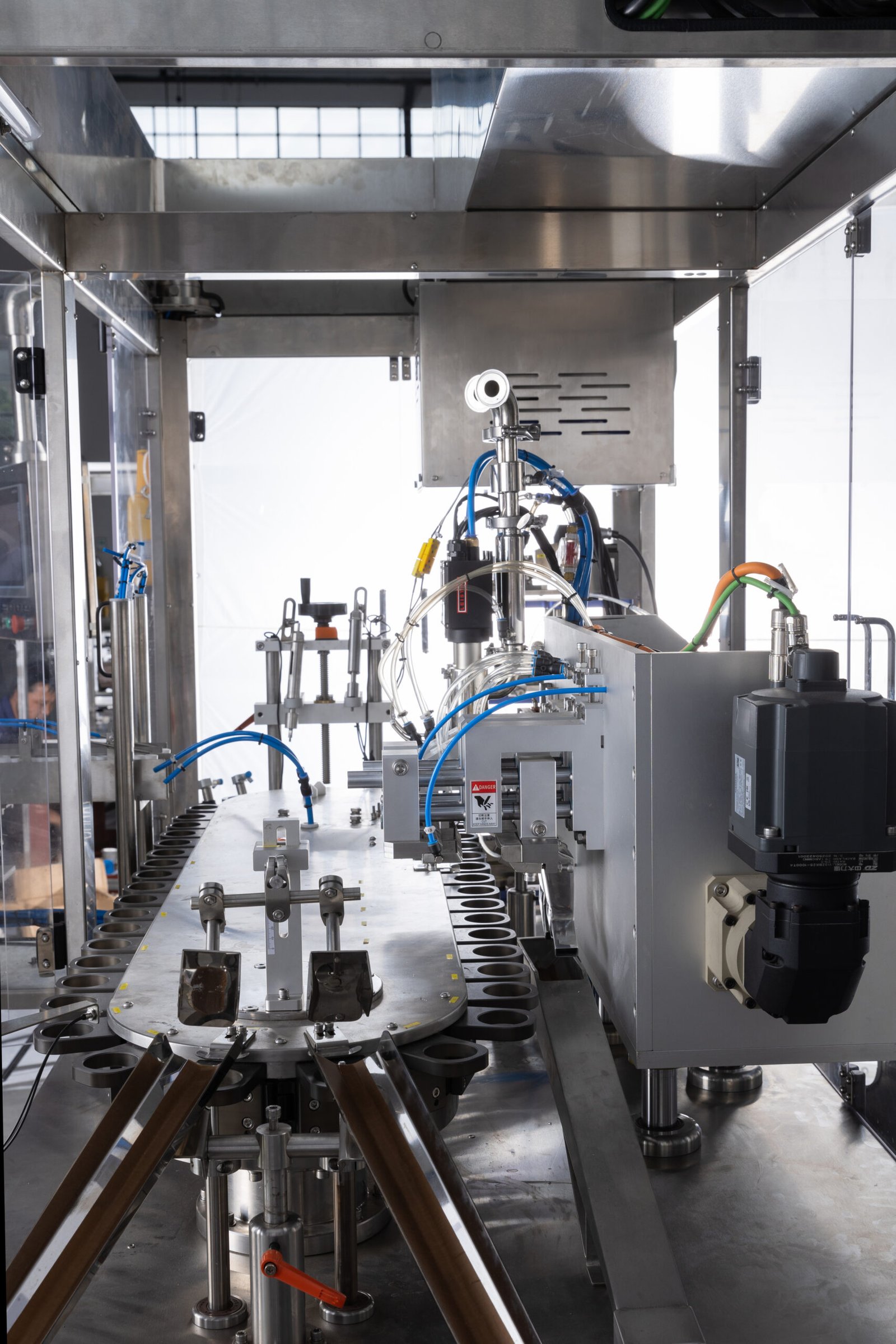
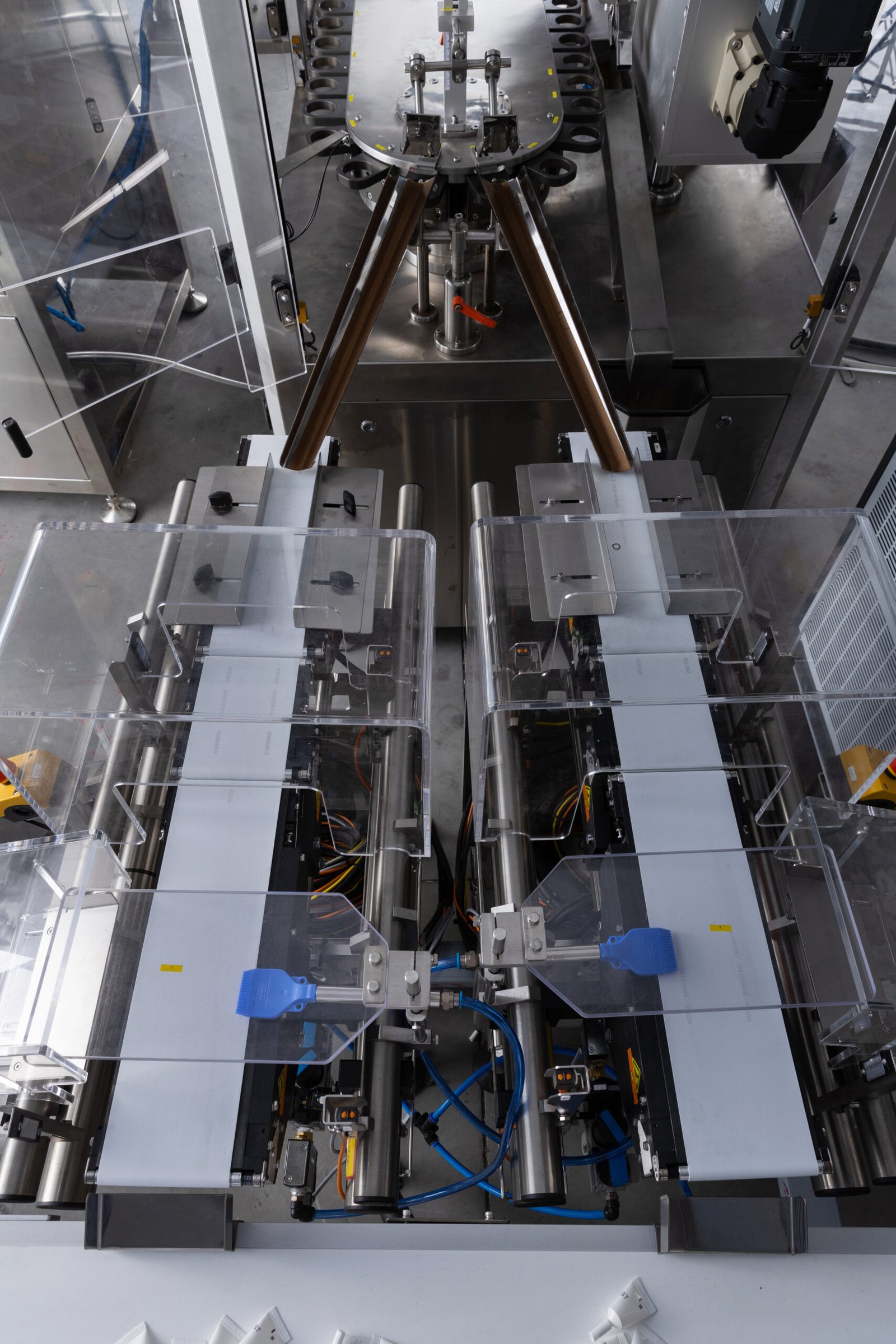
PRODUCT-CONTACT DETAIL
Machine features that support repeatable production
- 316L product-contact partsContact materials and seals can be selected for the formulation and cleaning chemistry.
- Traceable electronic recordsAudit trails, electronic signatures and batch data can be included when required by the URS.
- Precision ceramic meteringThe seal-less dosing path helps isolate high-value liquid and reduce cross-contamination risk.
316L Contact Path
Suitable contact materials and seals are selected against the formulation and cleaning chemistry.
Stable Process Conditions
Temperature, liquid feed and nozzle behavior are controlled where they affect micro-dose performance.
Recipe-Based Control
Defined parameters help make format changes and batch restarts more repeatable.
Audit-Ready Records
Audit trails, electronic signatures and batch data can be included when specified in the URS.
Core component suppliers





CERTIFICATIONS
Quality and Compliance Documentation
Company and equipment documentation supports project review. The final certificate and validation package is defined by the agreed machine scope and user requirement specification.
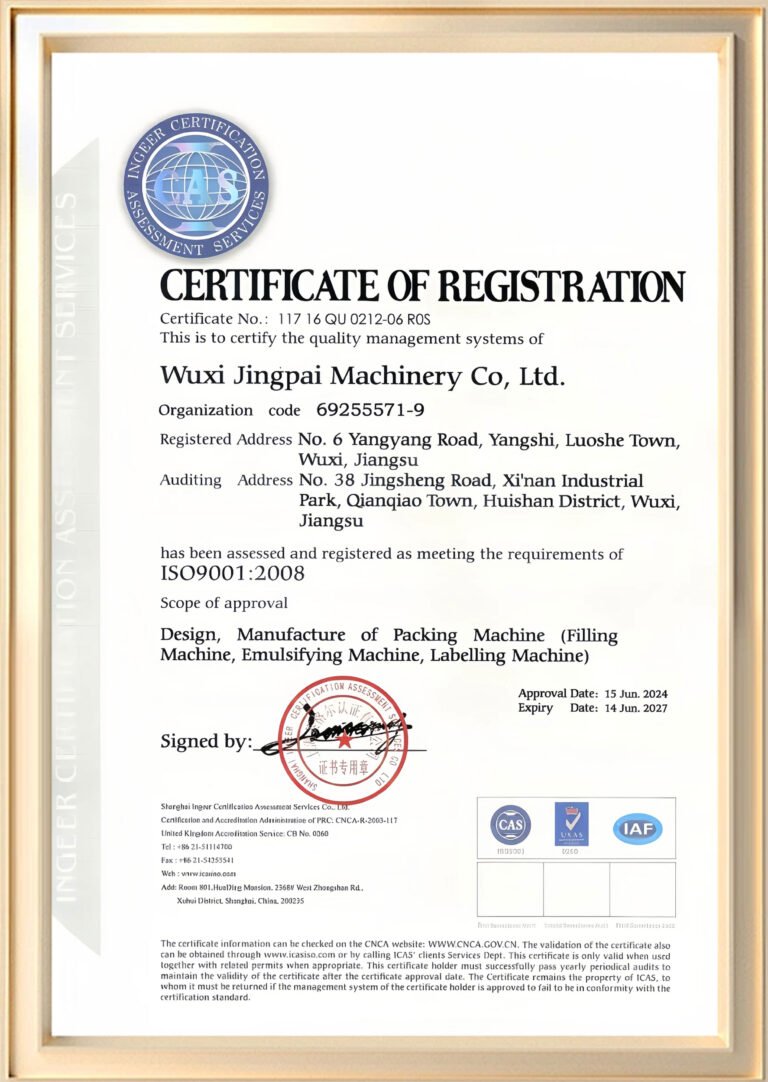
Registration Certificate
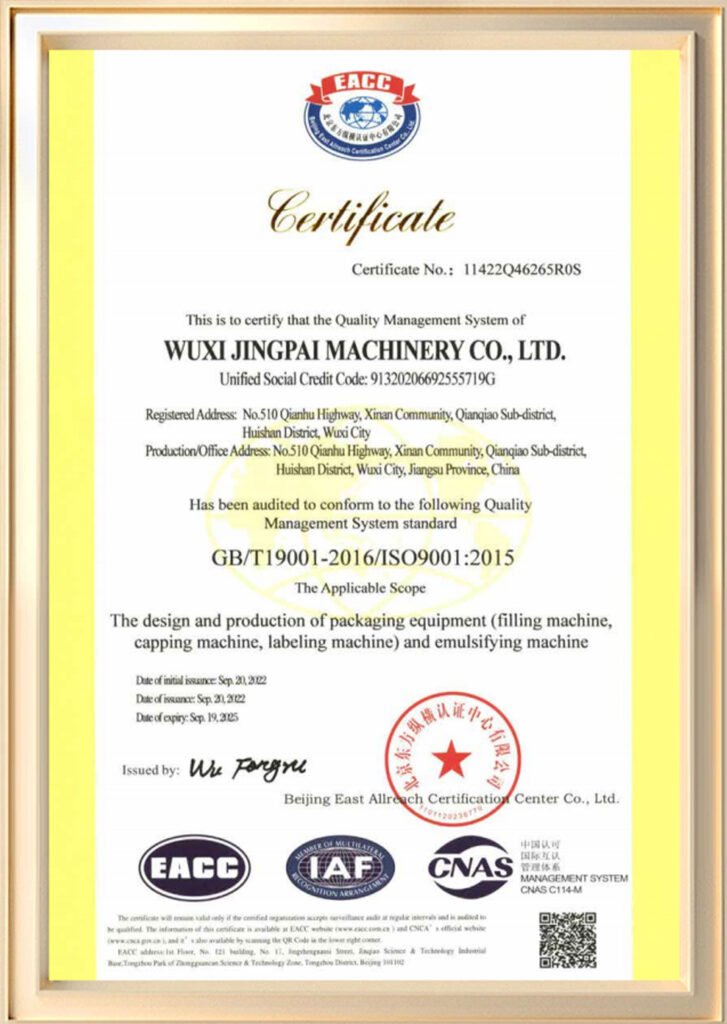
ISO 9001 Certification
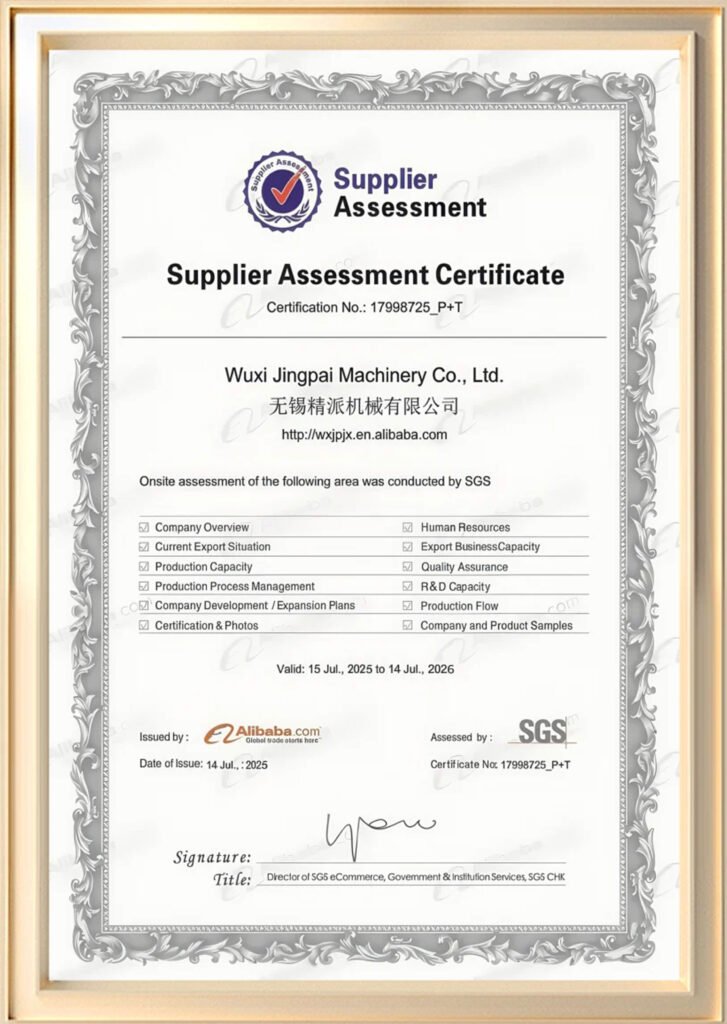
SGS Supplier Assessment
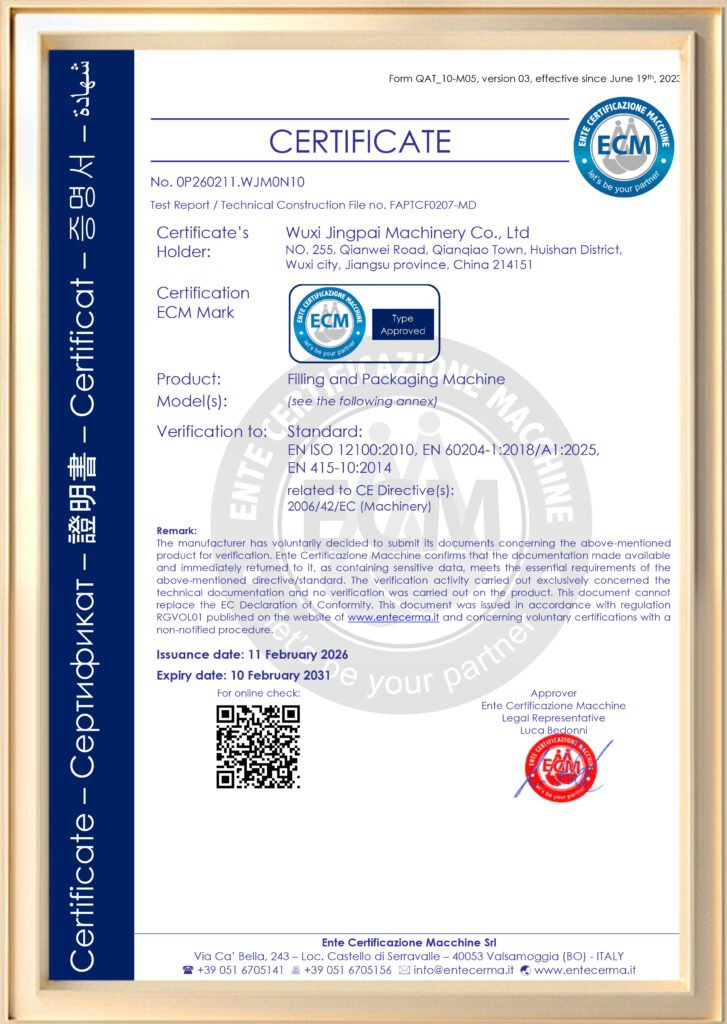
Filling Equipment Compliance
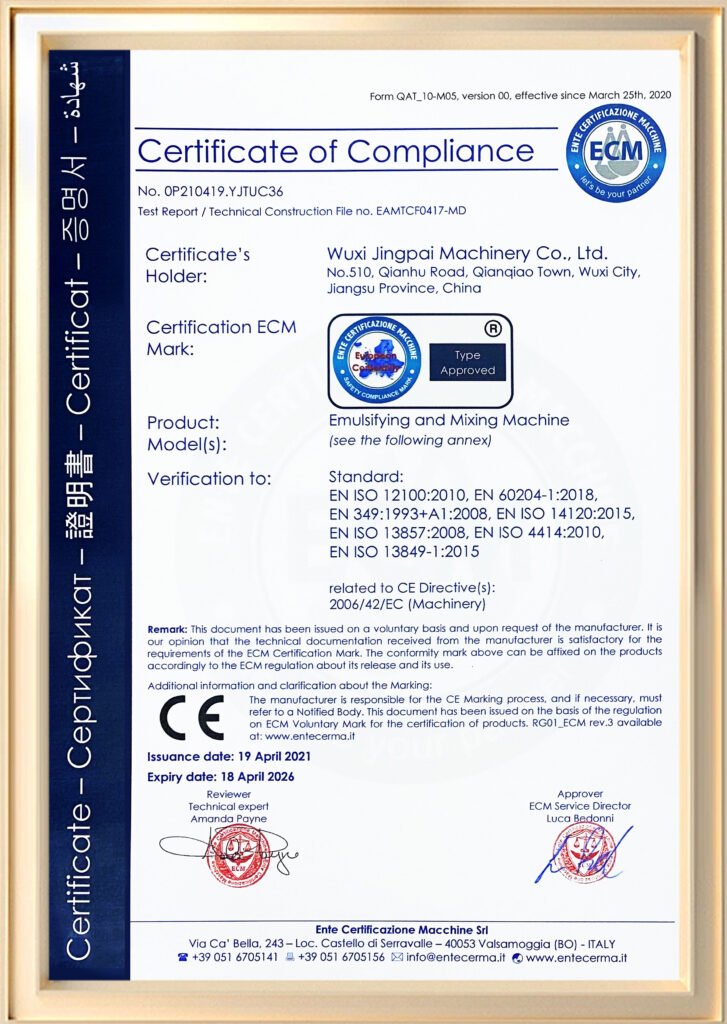
Emulsifying Equipment Compliance
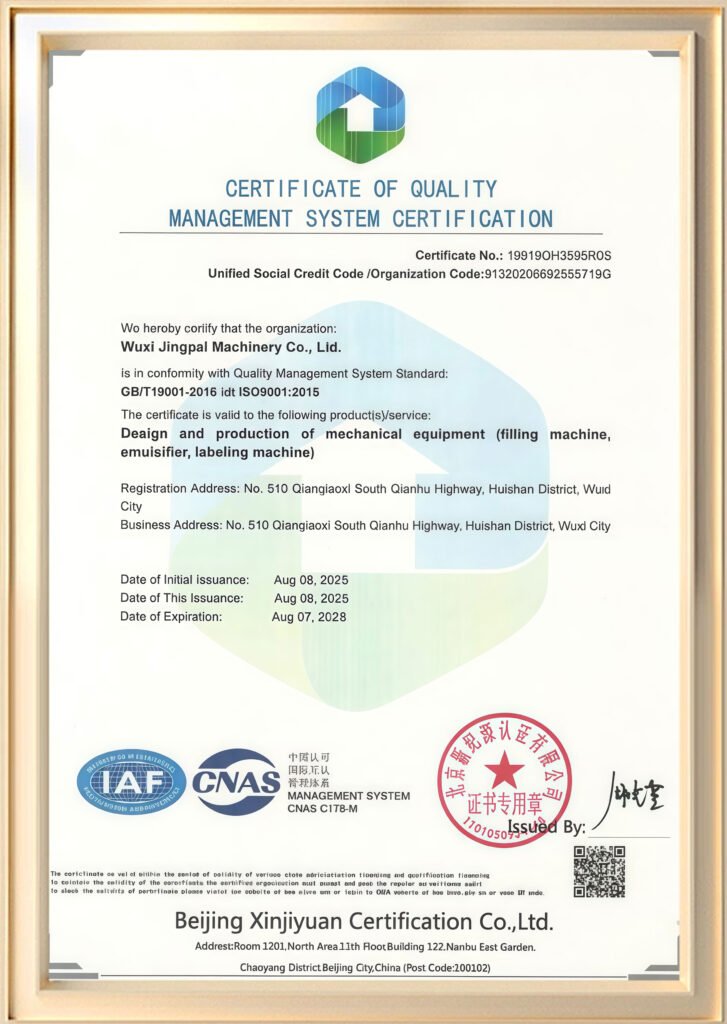
Quality Management System
ENGINEERING NOTES
More About Pet Drops Filling
Practical guides for packaging, micro-dose control and multi-formula production.
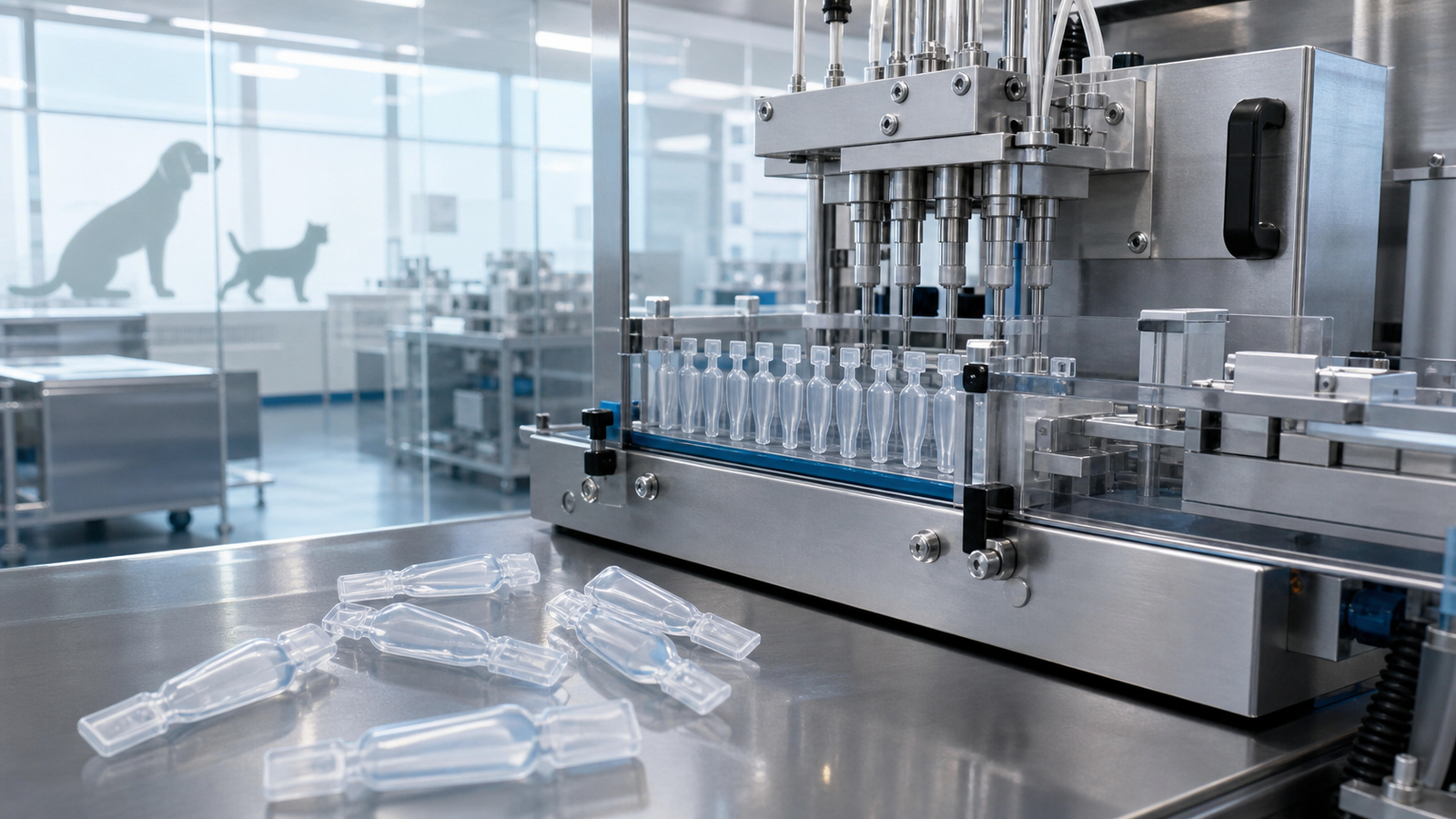
PACKAGING GUIDE
What Is a Veterinary Spot-On Pipette?
Container materials, filling specifications and sealing methods for single-dose pet treatment packs.
Read the guide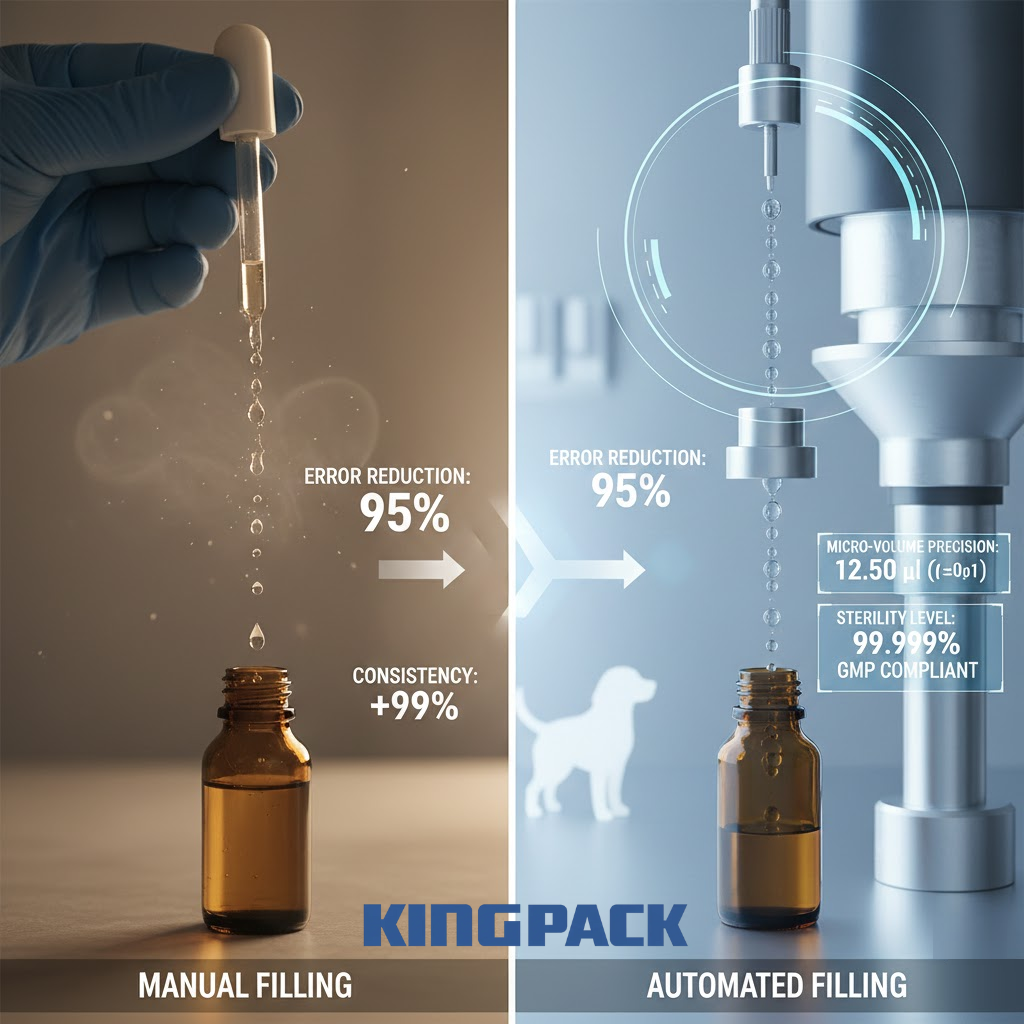
DOSING ACCURACY
How to Target ±1% at Micro Volumes
How pump choice, stable feeding, nozzle cut-off and container positioning affect repeatable fills.
Read the guide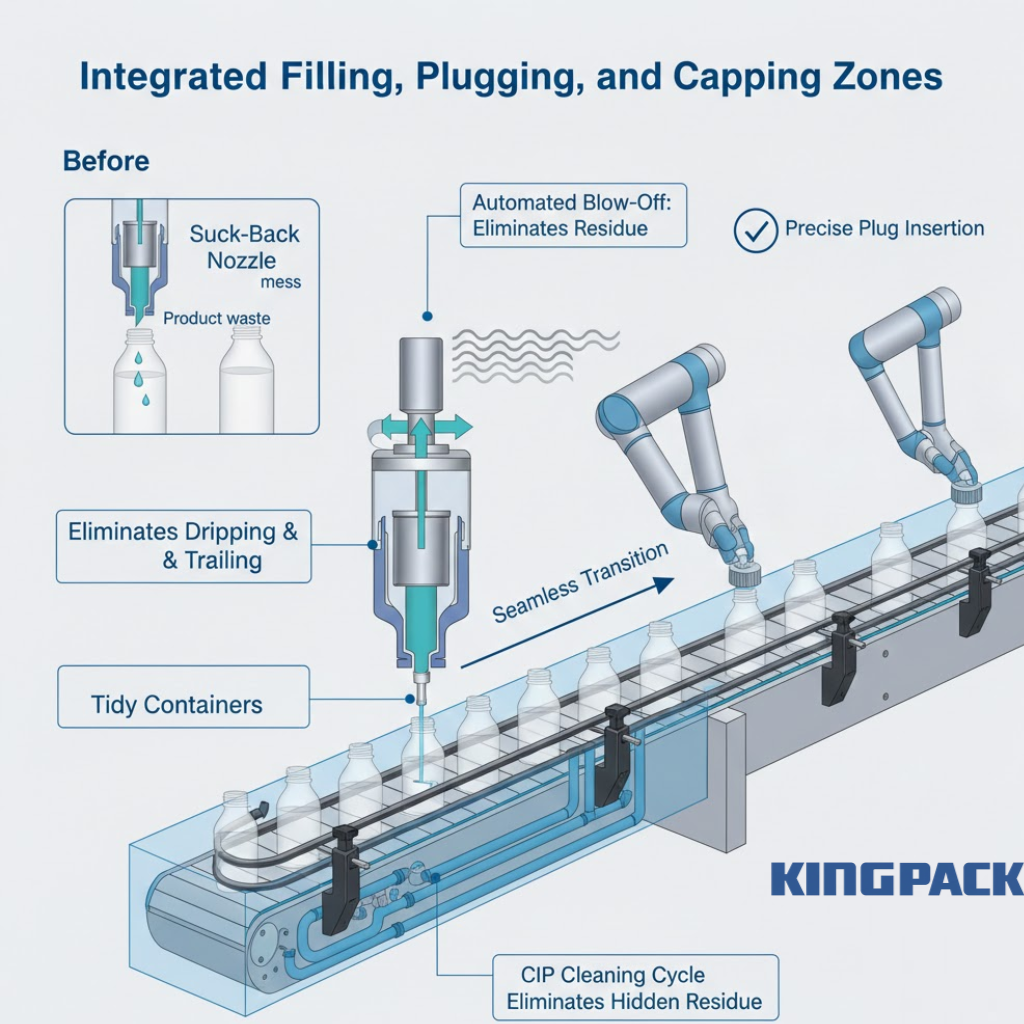
HYGIENIC DESIGN
Preventing Cross-Contamination
Practical considerations for product-contact parts, cleaning strategy and multi-formula production.
Read the guidePET DROPS FILLING FAQ
Frequently Asked Questions
Clear answers to the first questions that shape a veterinary liquid filling project.
Ask a project-specific questionWhat products can a pet drops filling machine handle?
The line can be configured for veterinary spot-on liquids, ear drops, eye drops, nasal drops and other small-dose pet health liquids. The correct route depends on formulation behavior, container geometry and whether the product is sterile.
What filling range is available for spot-on pipettes?
The reference single-dose configuration covers 0.1–6 mL. The final operating range and filling tolerance are confirmed with production-intent liquid and package samples.
How are plastic pet pipettes sealed after filling?
A controlled hot-air sealing module can be configured for compatible plastic pipettes. Temperature, sealing height, dwell time and package support are set around the material and seal geometry.
Can one line handle different pipette or bottle sizes?
Yes, when the format range is defined at the start of the project. Recipe-based controls and quick-release filling heads or molds can reduce the work required between qualified formats.
What documents can be supplied with the line?
Depending on the agreed project scope, KING PACK can provide qualification documentation, FAT and SAT records, material certificates, manuals and other traceability documents listed in the user requirement specification.
START WITH REAL SAMPLES
Tell Us About Your Pet-Drop Project
Share the formulation, container samples, target dose and required output. Our engineering team will recommend a practical line configuration and sample-test plan.
Please prepare:
- Formulation properties and safety data
- Complete package samples and drawings
- Fill range, target speed and acceptance criteria