 Skip to content

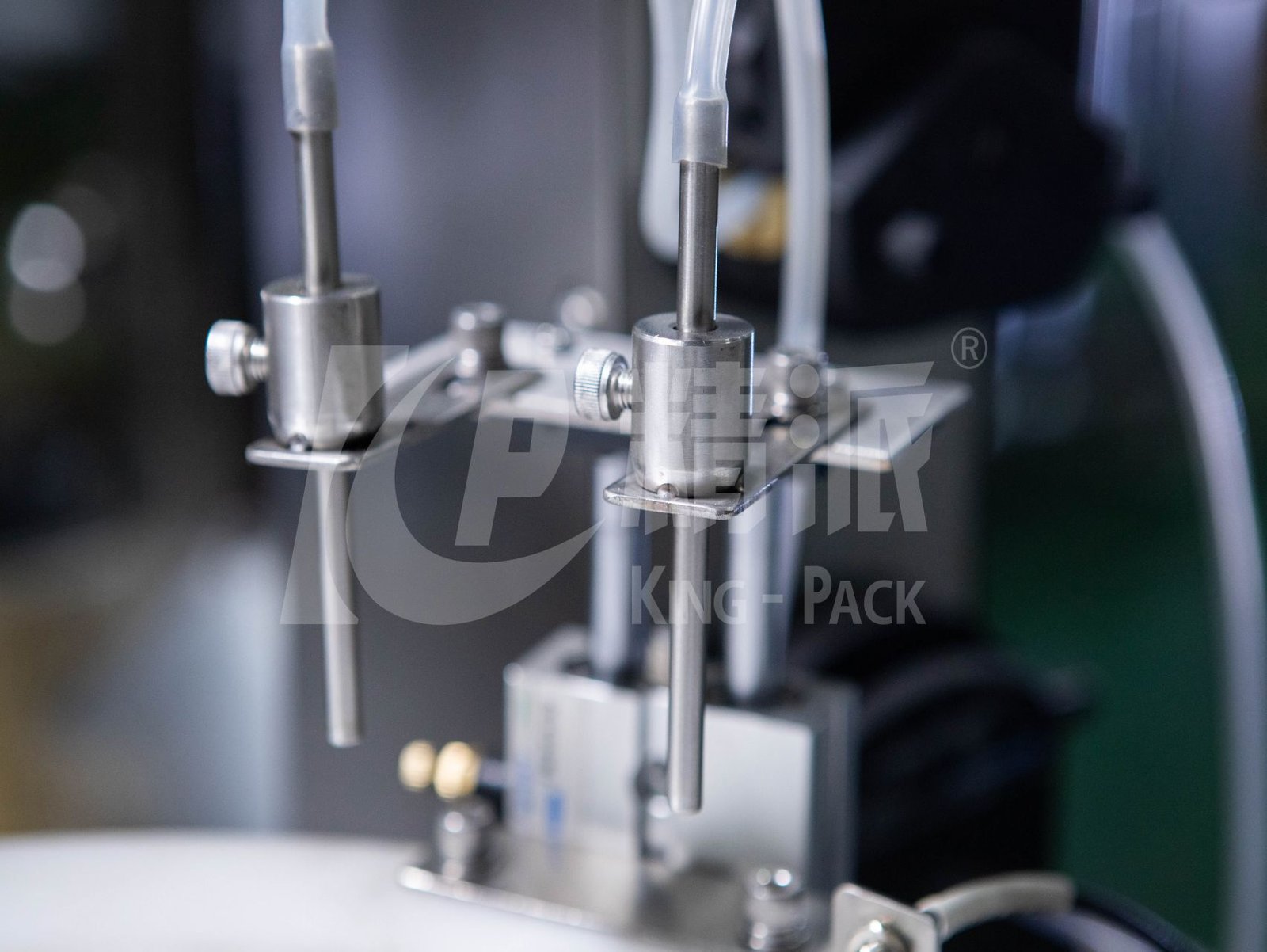
A filling and sealing machine maintenance plan should follow the specific model manual, operating hours, product characteristics and approved cleaning requirements. Review the dosing path, nozzles, container holders, closure tooling, sensors, drives and utilities as applicable. There is no single maintenance interval suitable for every configuration.
Safety before servicing
Only trained, authorized personnel should service the machine using its instructions and the site-approved safety procedures. The plan must address unexpected start-up and hazardous stored energy where these could cause injury. An emergency-stop button is not proof of energy isolation. Have the site safety team approve the maintenance and return-to-service arrangements.
US reference, reviewed October 15, 2026: OSHA 29 CFR 1910.147 addresses hazardous-energy control for covered servicing and maintenance. Applicability, electrical work and local requirements must be assessed by qualified site personnel. This article is a planning overview, not an isolation procedure or a global regulatory standard.
1. Fasteners and supports
At the intervals specified in the machine manual, inspect accessible fasteners and supports for looseness, damage or unusual vibration, using the approved inspection method. Record recurring findings rather than repeatedly tightening the same component without investigating the cause.
Authorized maintenance personnel should perform corrective work under the approved isolation procedure and use the specified parts and torque requirements. Do not tighten or adjust moving equipment during production.
2. Electrical system inspection
Electrical inspection and repair must be assigned to qualified personnel under the site electrical-safety and energy-control procedures. This overview is not an instruction for live electrical work. Report damaged cables, loose connections or abnormal heating for assessment.
Use manufacturer-approved diagnostic checks for motors, drives and sensors. Do not bypass guards, interlocks or protective devices to keep the machine running or investigate a fault.
Use only the electrical-enclosure cleaning method specified by the equipment manufacturer and approved by the site. Do not spray liquid into electrical components or treat an energized cabinet as a routine cleaning task.
3. Mechanical parts and product-contact seals
Inspect gears, chains, belts and other fitted drive components against the model-specific wear, tension and lubrication requirements. Record wear and contamination; avoid adding lubricant where it could reach the product or packaging.
Replace worn components using approved parts and the specified procedure. Complete the required alignment, functional and safety checks before authorized release back to production.
Inspect product-contact seals, gaskets and closure tooling for leakage, damage and residue. Replacement materials must be compatible with the product, cleaning agents and operating conditions; a visually similar seal is not necessarily interchangeable.
4. Calibration and process verification
Distinguish an operating setting from instrument calibration and process verification. After maintenance or changeover, verify fill quantity and closure quality against the approved product-and-container acceptance criteria; adjust only within the model instructions.
Use suitable calibrated measuring equipment and a documented sampling method. Record the product, fill target, temperature and relevant operating conditions so results can be compared. Select closure checks appropriate to the actual sealing method and packaging material.
5. Maintenance records and return to service
Record the asset and model, date, operating hours where available, task, findings, parts used, responsible person and any follow-up action. Include the checks required before release to production.
Use the maintenance history to identify recurring faults and review intervals with the equipment supplier and site engineering team. Completing a checklist alone does not demonstrate filling accuracy, closure integrity or product quality.
King Pack Machinery can support model-specific maintenance planning, training and spare-parts identification. When requesting support, provide the machine model, serial number and fault description through your established service contact; do not rely on this general article in place of the machine manual.
Related resources: Encyclopedia resources, What are the precautions for filling and sealing machine?, and The Importance of Tube Filling Machine and Tube Sealing.
