 Skip to content

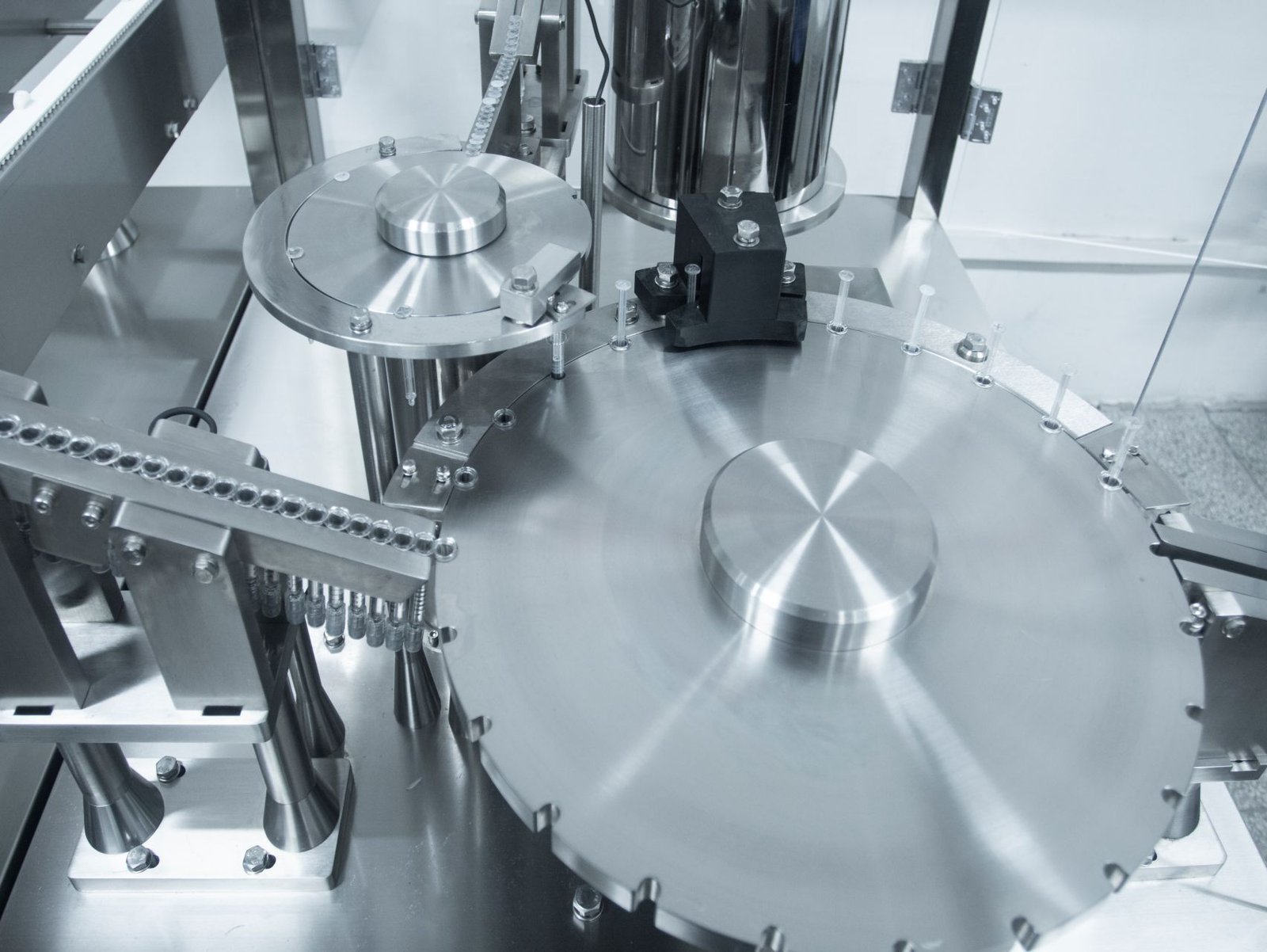
A tube filling and sealing machine can dispense liquid or paste products into compatible tubes and close the package. A daily maintenance routine supports reliable operation, but the required tasks, intervals, chemicals, lubricants, and safety controls must follow the machine manual and the site’s quality procedures.
1. Clean
After each batch or at the interval specified by the manual, clean the product-contact and accessible surfaces to remove residue. Use the approved sanitation method for the product and material; cleaning alone does not replace microbiological verification where required.
Use the approved cloth, cleaner, concentration, temperature, contact time, and rinse method for the equipment materials. Avoid chemicals that can damage seals, sensors, coatings, or product-contact surfaces.
Inspect and clean filling nozzles, hoppers, pipes, and sealing areas according to the manual. Check for residue, wear, or blockage and document any issue that requires maintenance.
2. Check
Before startup, complete the machine’s documented pre-operation checks. Inspect guards, fasteners, conveyors, air and electrical connections, sensors, and emergency-stop functions without bypassing safety devices.
Verify fill volume and seal quality using the site’s approved checks and acceptance tolerances. Stop and investigate abnormal results instead of adjusting production settings without authorization.
Check lubrication points and leakage according to the manual and maintenance schedule. Some components may require a specific lubricant or no lubrication.
3. Lubrication
Lubricate transmission parts, bearings, and other specified points at the interval and method defined by the equipment manual. Record the work and keep lubricant away from product-contact surfaces unless the manual explicitly allows it.
Use only the lubricant approved for the component and operating environment. Confirm compatibility with seals, materials, temperature, and applicable food, cosmetic, or pharmaceutical requirements.
Apply the specified amount and method; excess lubricant can attract dust or migrate, while insufficient lubrication can increase wear. Follow the manual and maintenance log.
Daily care should combine cleaning, inspection, approved lubrication, safety checks, and documented corrective action. These practices can support equipment reliability, but they do not guarantee a particular service life or production result; follow the manufacturer’s manual, site safety rules, and quality system.
Related resources: Encyclopedia resources, What are the precautions for filling and sealing machine?, and The Importance of Tube Filling Machine and Tube Sealing.
