
Last reviewed: October 14, 2026.
Direct answer: Select toothpaste tube filling and sealing equipment by matching paste rheology, abrasive or particulate content, tube material, target fill, tail-sealing method, cleaning plan and downstream packing. The process normally presents an open tube tail, doses the paste through the tail, withdraws the nozzle, performs the selected hot-air, ultrasonic or aluminum-folding closure, and then checks the finished tube. Final settings must be confirmed with the intended paste and tubes.
Toothpaste lines combine product handling, tube orientation, filling, tail closure, coding, inspection and often cartoning. The same line may handle a white paste, a gel, a striped formulation or a product with abrasive particles. Each product can change pump load, nozzle wear, residue and cleaning requirements. This guide helps procurement and engineering teams prepare a realistic RFQ and FAT plan.
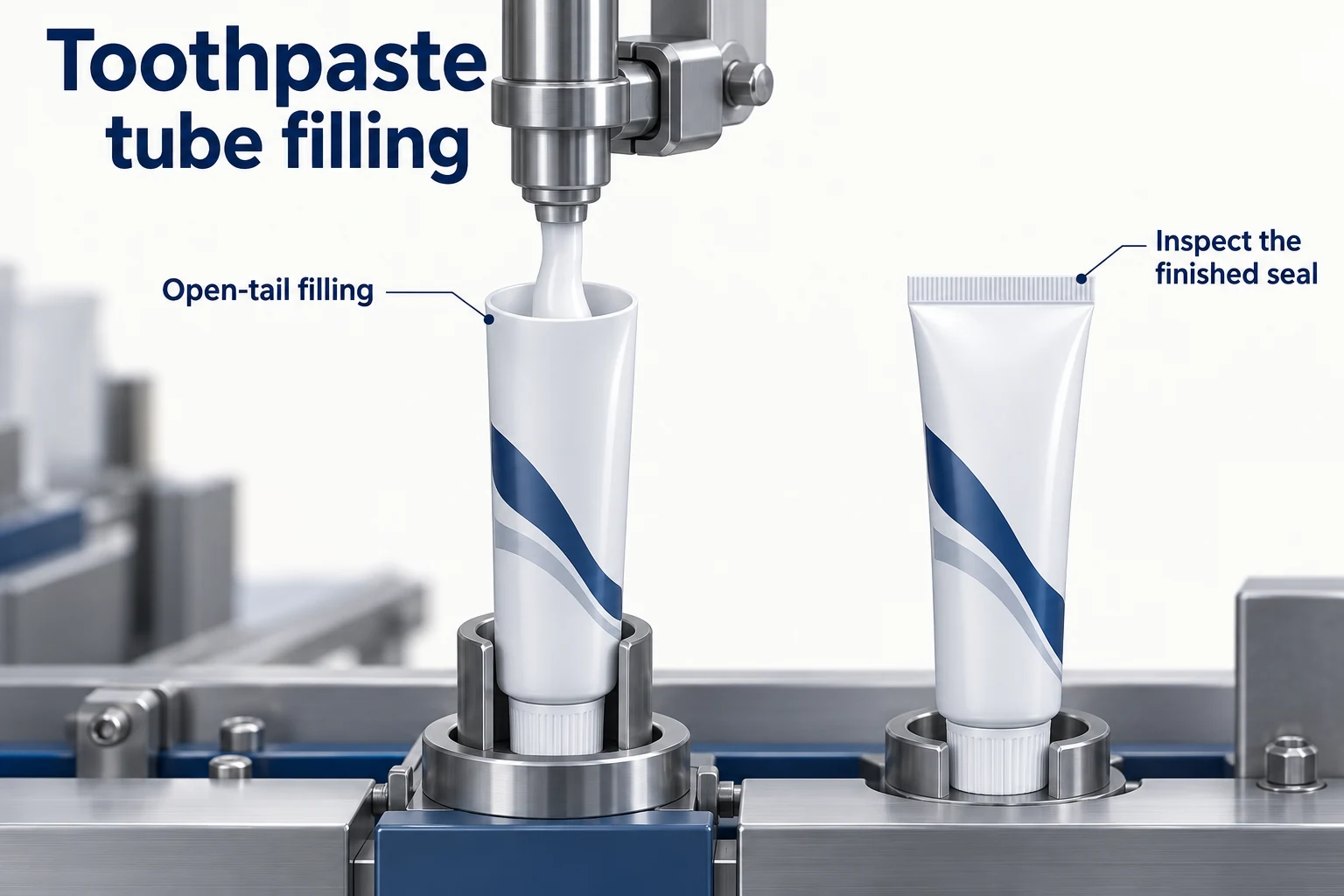
Define the toothpaste and tube together
Record viscosity behavior, particle or abrasive content, temperature range, density if known, air sensitivity, settling risk and time between mixing and filling. Note whether the paste is supplied from a vacuum mixer, holding hopper or another transfer system. Product preparation affects the filling result, so the test should state the condition used.
Describe tube diameter, length, shoulder, tail, barrier structure, cap, artwork mark and closure method. Plastic and laminate tubes generally use a heat or ultrasonic tail seal. Aluminum tubes normally use folding. The package drawing and representative samples should be reviewed together because stiffness, seam position and dimensional variation can affect guides and sealing.
Understand the open-tail filling sequence
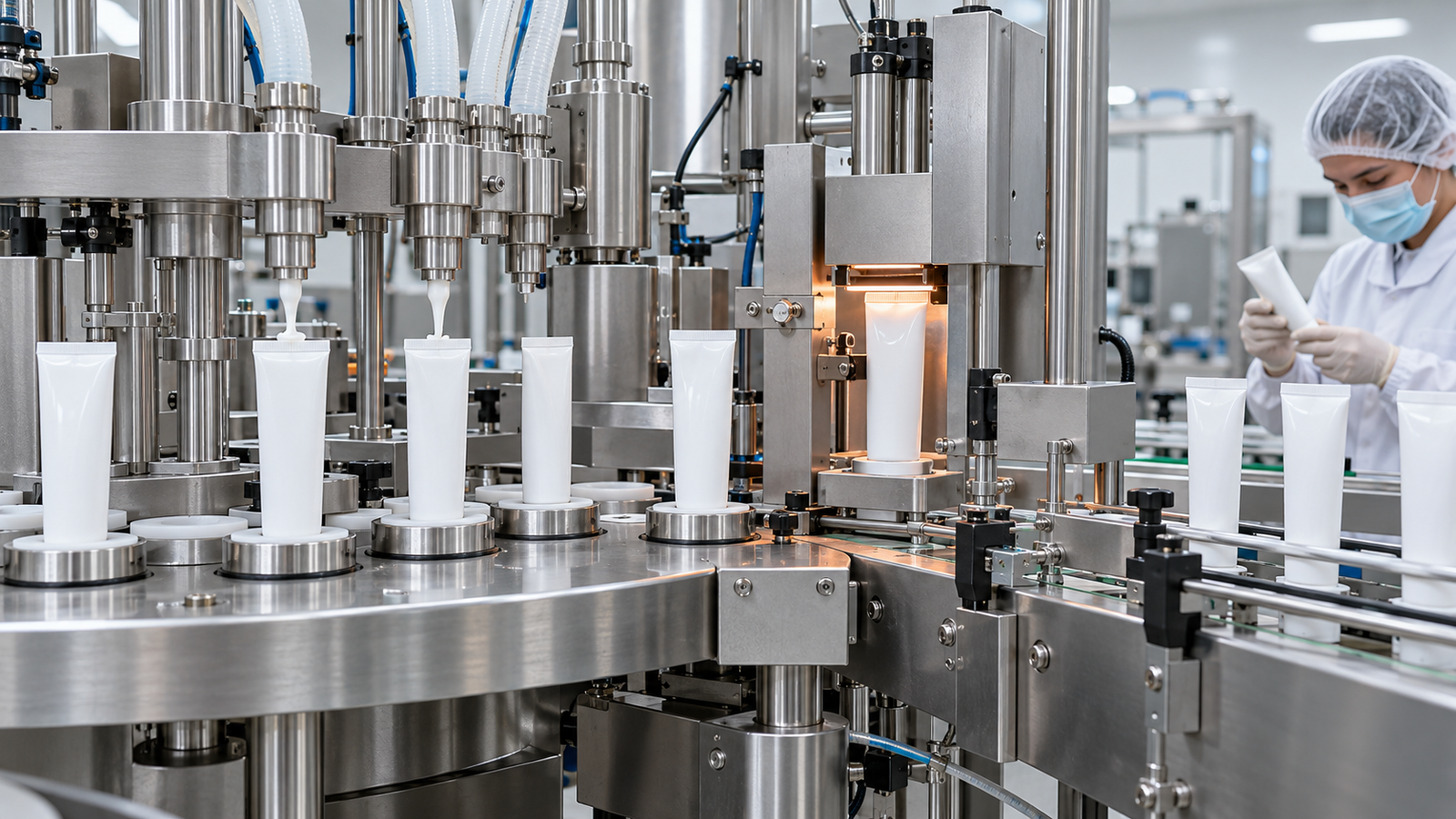
The tube head or cap is supported below and the tail remains open above. The nozzle enters the unsealed tail, doses the paste, withdraws without contaminating the sealing zone, and the tube then moves to heating, ultrasonic sealing or folding. Filling is not performed through an already sealed tail. This sequence should appear in operator training and FAT documentation.
For high-viscosity or air-sensitive paste, the engineering team may evaluate a controlled fill profile or bottom-up arrangement where the tube and nozzle geometry allow it. This is conditional guidance. Test nozzle position, withdrawal, cut-off and tube support with the final paste.
Select the dosing system
Piston, servo-controlled and other dosing arrangements can be suitable under different product conditions. Ask how the system handles start-up, hopper refill, pause and restart. Abrasive particles may influence product-contact materials and wear parts. A structured paste may recover after shear, while a gel may drip or string at the nozzle.
Define the fill verification method before FAT. It may use weight, volume or another quality method agreed with the buyer. Record individual sample results and the sampling plan. Do not use an unsupported accuracy claim from a catalogue as an acceptance criterion.
Tube orientation and coding
Printed toothpaste tubes may need a seam, mark or artwork to face a defined direction. Confirm whether orientation is manual, mechanical or sensor-controlled. Test print contrast and different tube lots if a mark sensor is used. The reject route for a misoriented tube should be clear.
Coding space must be protected during filling and sealing. Include the code location, method and inspection in the process map. If a cartoner follows the filler, confirm discharge orientation, buffer space and transfer height during line planning.
Tail sealing methods
Hot-air sealing
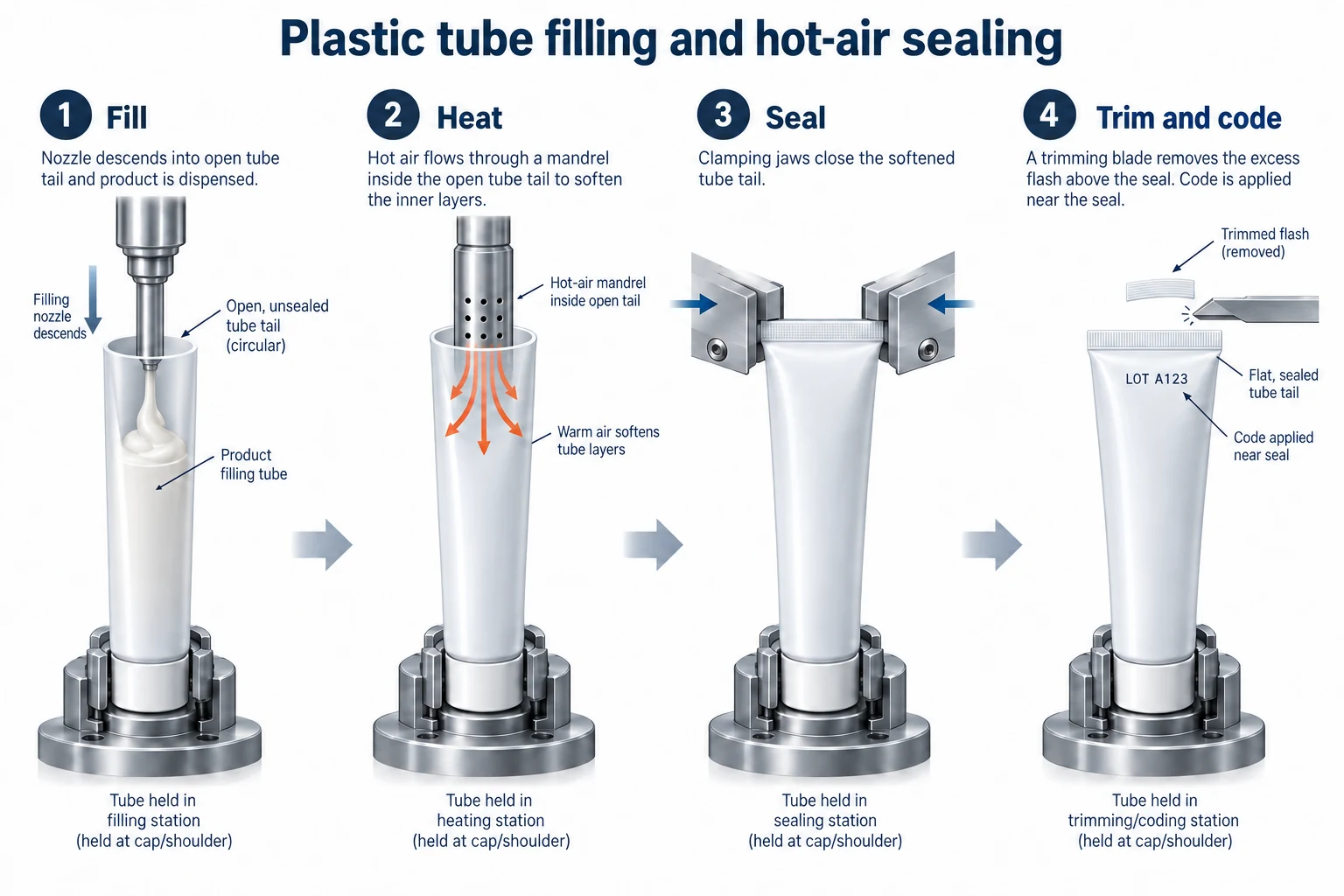
Hot-air sealing uses controlled heat, air flow, dwell and clamping for the selected plastic or laminate structure. Verify tail appearance, wrinkles, channels, product contamination, coding and seal integrity. Parameters must be developed with the final tube construction.
Ultrasonic sealing
Ultrasonic sealing uses compatible tooling and an agreed inspection method. Review tube wall structure, horn access, artwork and the effect of product residue on the seal zone. If a dual-station system is considered, define how each station is balanced and checked.
Aluminum folding
Aluminum tubes need a folding sequence and tools that match the material and tail geometry. The folding process should be treated separately from plastic or laminate heat sealing. Inspect fold position, wrinkles, code and closure appearance.
Cleaning and abrasive paste control
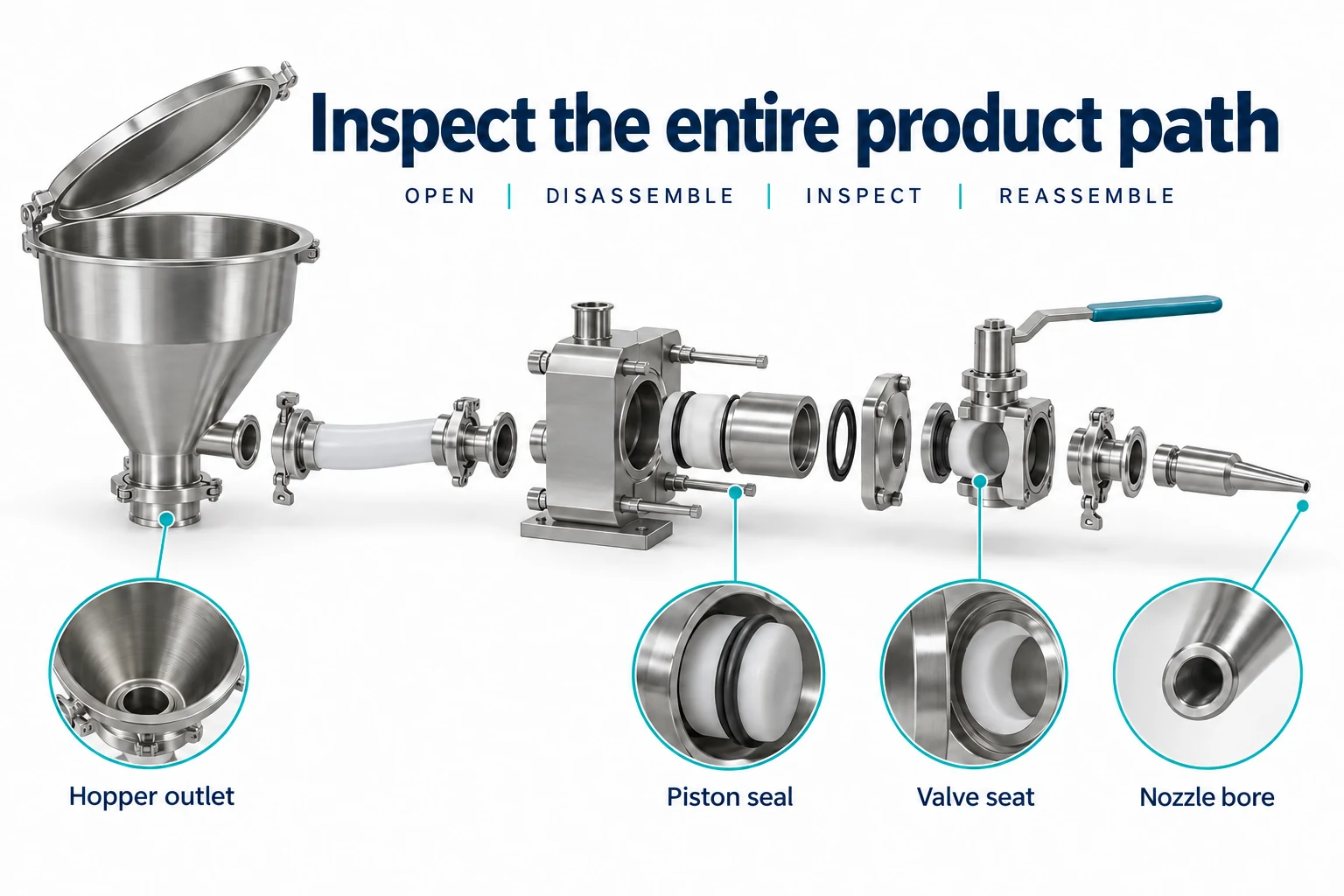
Map the product-contact path from hopper to nozzle. Toothpaste can leave paste, pigment or abrasive particles in valves, hoses and nozzles. Define removable parts, approved cleaning materials, inspection points and line-clearance steps. If several flavors or colors are produced, select a difficult changeover for testing.
The formula owner should approve cleaning chemistry and carryover criteria. The equipment supplier can document access and removable contact parts, but the customer approves the final production procedure. Measure cleaning effort rather than promising a fixed time.
Factory testing and shipment inspection
FAT should use representative toothpaste and final tubes whenever practical. Check loading, orientation, dosing, nozzle withdrawal, tail sealing, coding, reject handling, cleaning access, change parts and documents. Include start-up and restart samples. If a substitute paste is used, record its limitations.
Shipment inspection should compare the machine with the approved scope. Check tooling, guards, electrical and pneumatic interfaces, manuals, drawings, spare parts and packing photographs. Installation preparation should cover space, utilities, compressed air, electrical supply, cleaning access and downstream cartoning.
Procurement questions
- Which paste samples and tube materials were reviewed?
- Which dosing and sealing methods are included?
- How are abrasive particles and residue addressed?
- Which formats use common parts and which require change parts?
- What does FAT measure and what remains conditional?
- Which documents, training and installation tasks are included?
King Pack’s confirmed capabilities include tube filling, hot-air and ultrasonic sealing, aluminum-tube folding, custom configuration, FAT, documentation, training and line integration within the agreed project scope.
Process controls that protect toothpaste quality
Toothpaste is a shear-sensitive, structured product. A filling line can be mechanically reliable and still produce poor packs if the process removes too much entrained air, introduces contamination, or allows the paste to warm during a long run. During a technical review, map the product from the bulk vessel to the tube tail. Note where the material is exposed, where the line can be drained, and where operators must intervene.
Bulk transfer, deaeration and hopper design
Ask whether the formula arrives from a vacuum mixer, a holding tank or prefilled drums. The transfer route should match the viscosity and the available head pressure. A hopper with a low-level sensor helps prevent the pump from drawing air. Where the formulation is prone to foam, a slow refill strategy or a deaeration step may be more useful than simply increasing pump speed. The final decision depends on the customer requirement, product rheology and cleaning method.
Filling accuracy and changeover checks
Filling accuracy should be verified with a defined sampling plan rather than a single demonstration tube. Check the first tubes after start-up, samples after a stable period, and samples near the end of a batch. Record target weight, observed weight and adjustment direction. When several sizes share one machine, include a changeover checklist covering dosing piston, nozzle, tube holders, recipe selection, coding position and tail-seal tooling.
Compare the proposed station and tooling scope with the tube filling and sealing equipment overview; suitability still depends on the actual product and tube samples.
Choosing the right sealing method
Plastic laminate and PE tubes are commonly sealed with hot air, while some structures and production environments may favor ultrasonic sealing. The correct choice is driven by the tube specification, seal width, decoration sensitivity and required appearance. Hot air requires controlled heating and a clean tail area. Ultrasonic sealing requires compatible material layers, stable tooling contact and a validated energy window.
Hot-air sealing sequence
For a hot-air process, the open tail remains upward while the tube is positioned under the filling nozzle. The product is dosed through the open tail, the tail is indexed to the heating station, and the heated jaws form the seal. Downstream operations may include embossing, trimming, coding and discharge. A technical drawing or factory video should show this sequence clearly; it should never show a nozzle entering an already sealed tube.
Ultrasonic sealing sequence
Ultrasonic sealing converts high-frequency vibration at the tool interface into localized heat in compatible thermoplastic layers. It can be useful when the tail must be sealed without broadly heating nearby decoration. The supplier should confirm horn geometry, tube material compatibility, seal profile and the inspection method used after sealing. Do not select ultrasonic equipment solely because it is described as faster; validate the actual tube construction first.
Cleaning, hygiene and operator access
A toothpaste line should be designed around the cleaning method used at the plant. Review product-contact materials, drainability, hose routing and the number of tools needed for strip-down. If the product is changed from white paste to a colored or herbal formula, ask how residual material is detected and how long a standard changeover takes under the customer’s own procedure. Operators also need clear access to nozzles, sensors, pumps and tail-seal tooling.
Inspection points after cleaning
Useful inspection points include the nozzle bore, piston seal, hopper outlet, tube pocket, heating area and coding head. A simple swab or visual checklist can be included in the installation preparation pack. The supplier should explain which parts are wear items and how replacement affects the recipe. These details are more useful for procurement than a generic statement that the line is easy to clean.
Factory acceptance and shipment preparation
Before shipment, request a factory acceptance test using representative tubes and a product or approved substitute with similar flow behavior. Define the number of tubes, fill-weight checks, seal appearance, code legibility and reject handling in advance. If the exact toothpaste cannot be shipped to the factory, label the result as a substitute trial and agree which settings must be reconfirmed during commissioning.
Shipment inspection should cover the machine frame, electrical cabinet, spare parts, tooling, manuals and photo records of the packed equipment. Confirm that the tube format, voltage, air supply and floor access at the destination match the installation preparation documents. A short remote review before dispatch can prevent a mismatch between the machine recipe and the customer’s actual tube dimensions.
Procurement questions that reduce project risk
- What toothpaste viscosity range and particle size must the dosing system handle?
- Which tube materials, diameters and tail profiles will run on the line?
- Is the priority fill-weight repeatability, changeover speed, seal appearance or a balance of all three?
- Which coding, embossing, trimming and discharge operations are required?
- What cleaning method, utilities and operator skill level are available?
- What evidence will be accepted for FAT, shipment inspection and site commissioning?
When to request a technical review
Request a technical review when the toothpaste contains abrasive particles, multiple colors, a high level of air, unusual tube laminate or a narrow seal window. Share tube drawings, sample photographs, target fill weights, product temperature limits and the intended production pattern. A supplier can then recommend a configuration and identify the trials that should be completed before a purchase decision.
How to compare supplier proposals
Compare proposals against the same technical worksheet. A useful worksheet separates confirmed values from assumptions and open questions. List tube diameter, body length, tail width, nominal fill weight, acceptable tolerance, product temperature, air pressure, electrical supply, changeover parts and coding requirements. If a supplier uses a different definition of “capacity” or “accuracy,” ask for the test method and the conditions behind the number.
Review the proposed line layout as well. Leave enough space around the filler for sanitation, maintenance and safe material handling. Mark the direction of tube flow, operator side, compressed-air entry, electrical connection and access for the hot-air unit or ultrasonic horn. This layout review often identifies practical issues before installation preparation begins.
Training and handover
A complete handover should cover recipe creation, start-up, stop sequence, cleaning, fault recovery, tooling change and basic inspection. Ask for a list of recommended spare parts and a description of the alarms that stop the machine. Training is most effective when operators practice with their own tube format and a product that behaves like the production paste.
Final selection checklist
Choose toothpaste tube filling and sealing equipment only after the product, tube, sealing and service requirements have been reviewed together. A suitable machine fills through the open tube tail, controls the dose without unnecessary aeration, seals the selected material consistently and provides a clear path for cleaning and maintenance. The final decision should be supported by representative trials, a documented FAT, shipment inspection and realistic installation preparation.
For multi-market projects, document the local requirements that affect the pack: language and date coding, electrical standards, operator language, cleaning chemicals and spare-part lead times. These items do not change the basic filling principle, but they influence the final configuration and the support plan. Recording them before order confirmation gives engineering and purchasing one shared reference.
It is also useful to retain a small set of approved samples from the factory trial. Label the sample date, tube material, product or substitute, recipe and seal settings. The samples provide a practical reference during commissioning and help the customer distinguish a process change from a packaging-material change.
Include training, spares and commissioning requirements in the equipment service and handover scope so the plant can prepare its own personnel and utilities.
Check packaging capacity against paste preparation
The toothpaste mixer, holding arrangement and filler should be reviewed as one material-flow system. A fast filler has limited value if the paste is still being conditioned or transferred when packaging starts. Define the handover point, product temperature, deaeration condition and acceptable waiting period before the material reaches the hopper.
Inspect the finished dispensing experience
After filling and sealing, assess a sample through its intended cap under an agreed conditioning procedure. A tube with the correct mass may still contain visible voids or dispense inconsistently. Record whether the observation relates to trapped air, product preparation or the filling profile. Do not assume a dosing adjustment will resolve a formulation problem.
For abrasive formulas, include a maintenance review of the valve seat, piston seals and nozzle. A gradual change in cut-off can bring product into the seal zone before weight checks show a clear shift. Linking these observations gives maintenance a useful early warning and protects the distinction between filling defects and seal-tool defects.
Send your specifications: Use the King Pack technical enquiry form to share the product profile, tube drawings and the conditions you need verified.
Toothpaste equipment selection matrix
| Requirement | Decision input |
|---|---|
| Paste delivery | Rheology, air and bulk supply |
| Dose and cut-off | Fill range and nozzle trial |
| Tube closure | Material and finished-pack test |
| Changeover | Product path and format tools |
FAQ
Can one line fill different toothpaste formulas?
It may be possible when product behavior, tube formats, dosing hardware, cleaning and sealing are reviewed together. Use representative formulas in testing.
Which sealing method should be used?
Choose based on tube structure, appearance, product contamination risk, tooling and sample-test evidence. There is no universal method.
How do we prevent paste on the tail?
Review nozzle insertion, dose profile, cut-off, withdrawal and tube support with the final paste. Inspect the open tail before sealing.
What should FAT include?
FAT should cover product, tubes, dosing, sealing, coding, restart, cleaning access, change parts, inspection and documents.
What is the next step?
Send Your Toothpaste Specifications: Request a technical review and sample-test plan based on your paste and tube drawings.
Conclusion
Toothpaste tube filling and sealing should be selected as one process. Paste rheology, abrasive content, open-tail filling, tube orientation, closure method, cleaning and cartoning interfaces all influence the equipment scope. A representative sample test and clear FAT record provide a defensible basis for procurement. Get a Technical Proposal: Send your toothpaste samples and tube requirements to King Pack.
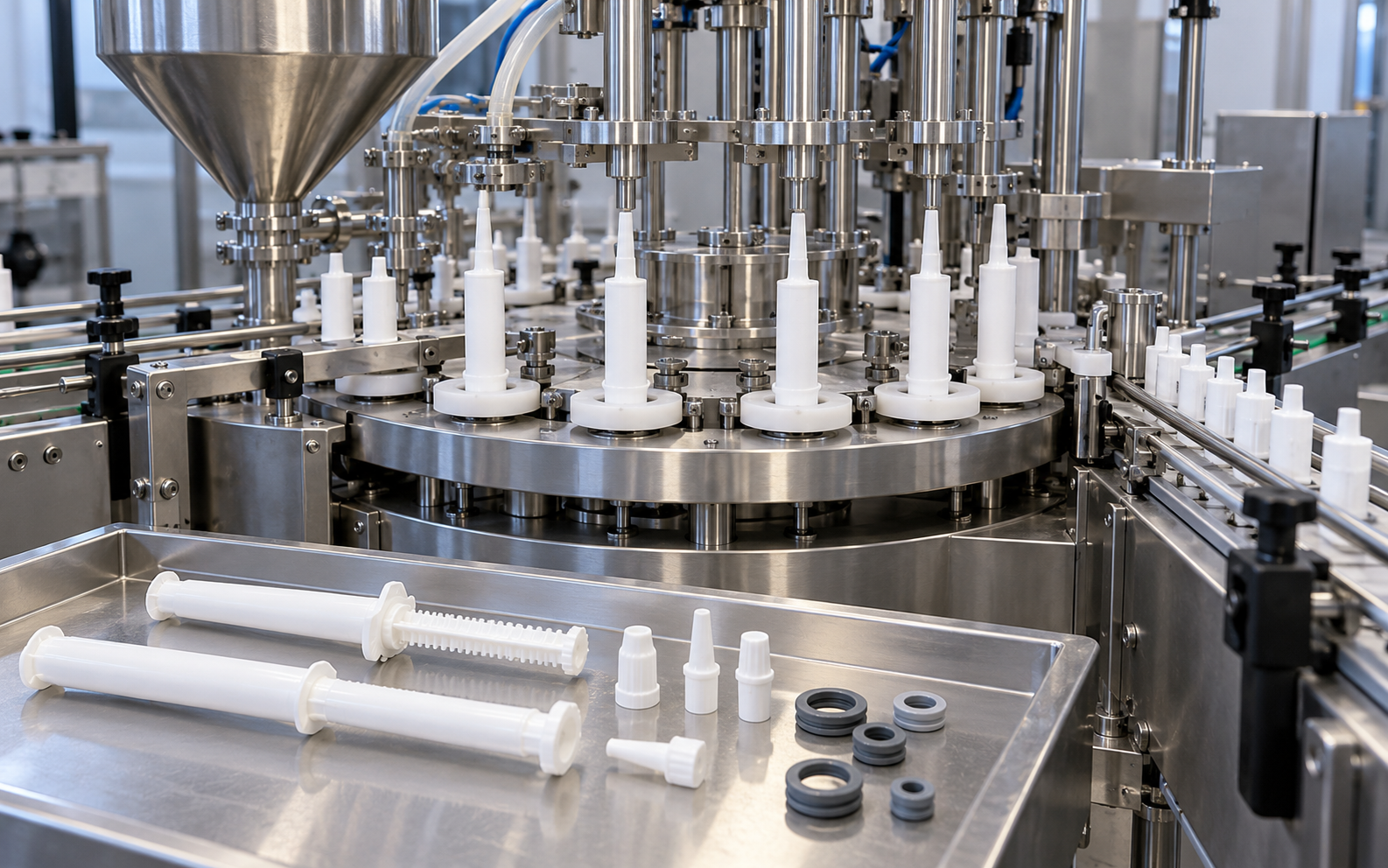
Visual checks for toothpaste filling and sealing trials
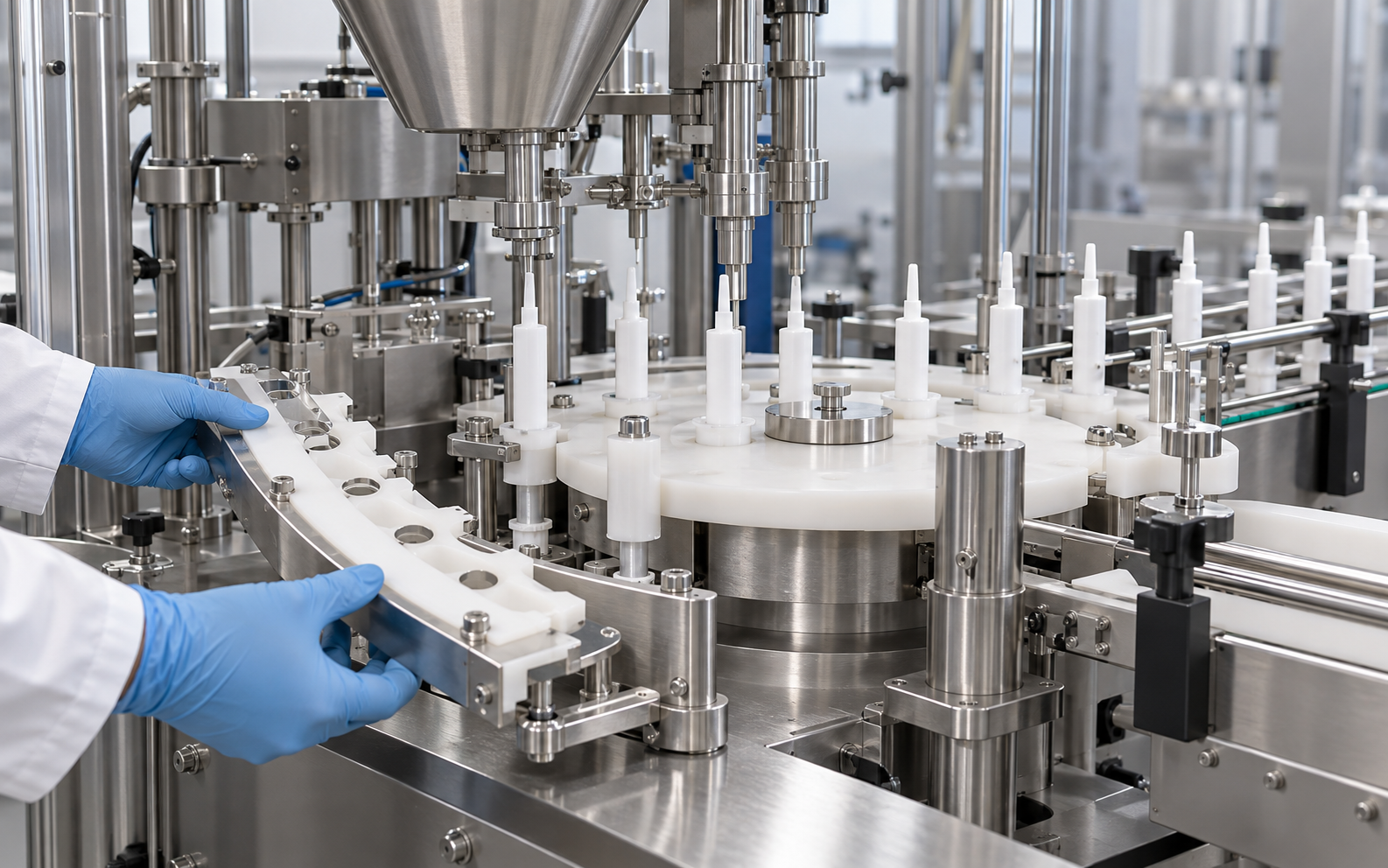
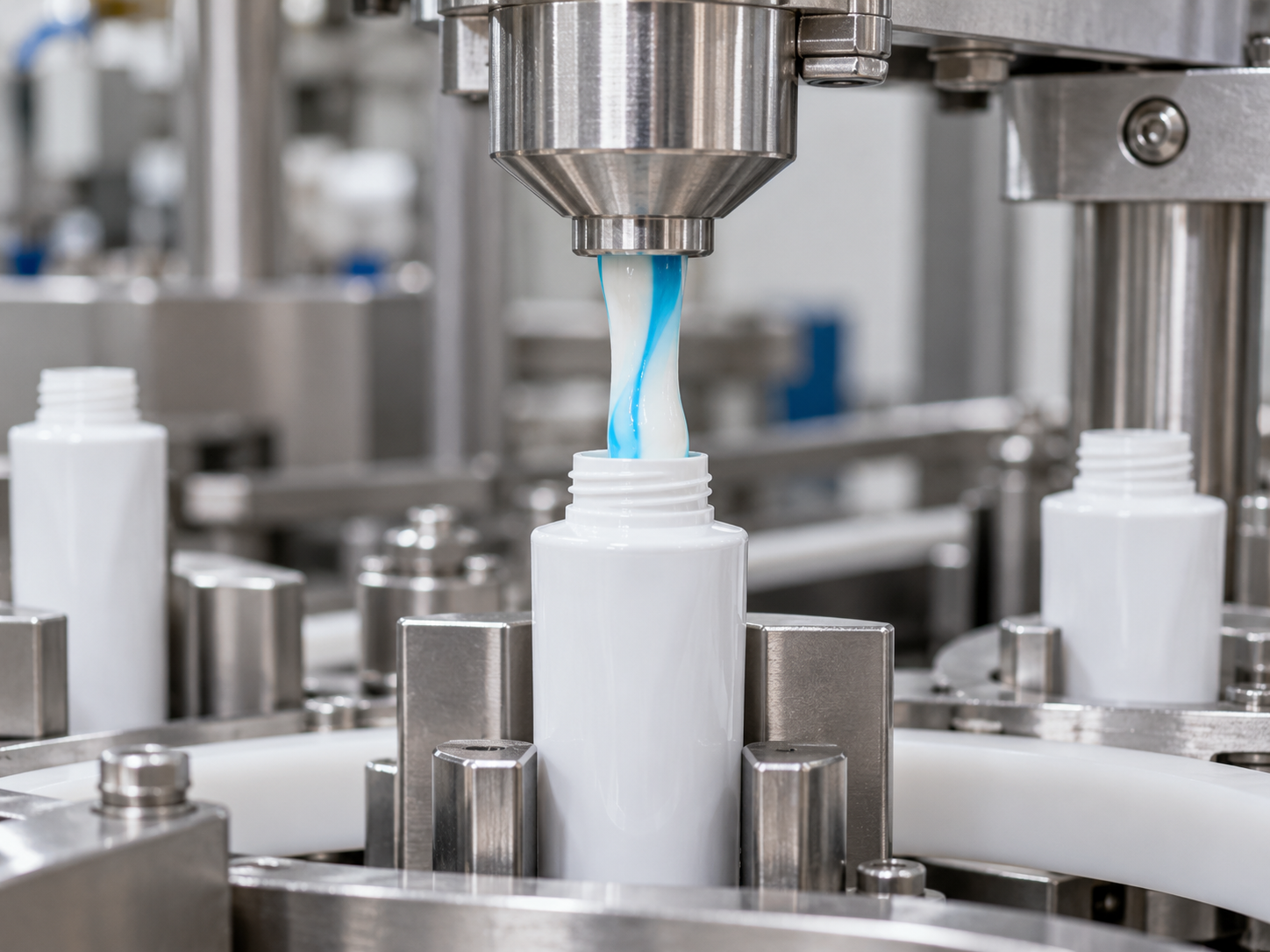
The following visuals illustrate the evidence a buyer can ask to review during a toothpaste tube filling trial. They are general engineering illustrations, not measured results or a substitute for a test with the final paste and tube materials.
Related equipment and planning resources
Start with the tube filling machine category and compare it with the filling and capping line scope. If the process requires a material-specific closure, review the ultrasonic tube filling machine option and the aluminum tube filling and folding option. The cosmetic filling equipment page is also relevant when toothpaste is managed within a broader personal-care production area.
For application context, compare the complete filling solution approach, the food-industry application scope, and the machinery product range. Related technical reading includes the cream tube filling and sealing guide, the tube sealing comparison, and the tube filling advantages guide.
Before you contact King Pack Machinery or request a technical quotation, prepare paste samples, tube drawings, required formats, target output, cleaning expectations and your preferred FAT evidence. That information lets the supplier recommend a testable scope rather than only a headline machine speed.