
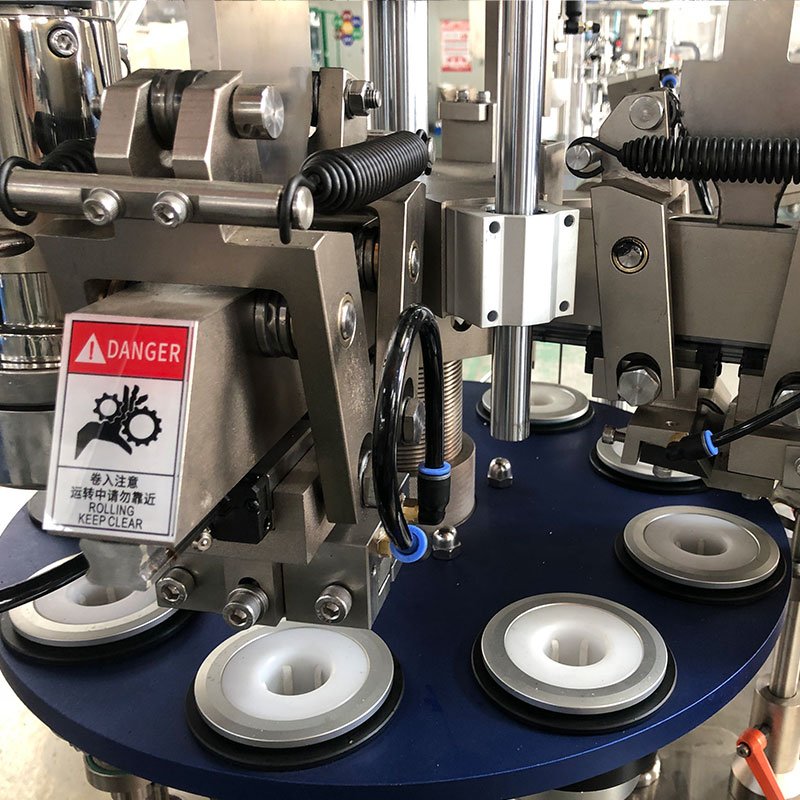

A tube filling and sealing machine combines product dosing with a closure system selected for the tube construction. Plastic and compatible laminate tubes may use hot-air or ultrasonic sealing; aluminium tubes normally require mechanical folding and crimping. Compare the complete filling cycle, material compatibility and demonstrated seal quality before choosing equipment.
But that’s not the only option for tube sealing as alternatives like ultrasonic are paving their way in the industries. Clearly, the race is on to develop smarter, faster, and more efficient ways to package creams, lotions, ointments, and pastes.
With these qualified options, making an informed choice between conventional tube filling & sealing systems and ultrasonic tube sealing technology can be difficult. And it’s an important choice too. Whether you’re in pharmaceuticals, cosmetics, food or beyond, the machinery you pick has the power to affect your speed, product integrity, and bottom-line performance.
In this article, we’ll unpack both technologies and point to the pros, cons, and use-cases for each. The goal is to help you make the right choice.
What is a Conventional Tube Filling and Sealing Machine?

Conventional tube filling and sealing machines have been the backbone of packaging lines for decades. They are widely used in cosmetics, pharmaceuticals, food, and personal care industries. Creams, gels, pastes, and lotion are packed using this machine.
The filling and closure operations are separate. A control system coordinates tube positioning, product dosing and the selected closing station. Plastic and compatible laminate tubes may use hot-air heating followed by pressing and cooling; aluminium tubes require a folding unit. A combination machine needs the appropriate stations, change parts and validated settings for each format.
Working Principle
The principle behind a conventional plastic tube heat sealing machine or an aluminium tube filling machine is straightforward.
The thermo heat sealing device is designed to first position an empty tube under filling nozzles using a tube holder. A precise dose of product is dispensed. Then, the tube is moved to the sealing section.
For plastic tubes, the sealing is achieved through thermal conduction. The machine applies heat to the tube’s open end. It softens the thermoplastic material. A pair of sealing jaws then press the softened layers together. This leads to compressed air which gives the benefit of airtight/leak-proof closure. In most models, cooling jaws immediately follow to solidify the seal and maintain the tube’s shape.
For aluminium tubes, the open tail is mechanically folded and crimped after filling. The fold geometry and any internal coating or sealing compound must be compatible with the tube specification and product. An aluminium tube or a folding machine does not by itself make the product sterile; manufacturing conditions, closure integrity and the applicable quality controls must be assessed separately.
For either configuration, define dosing tolerance, seal or fold acceptance limits and operating speed before ordering. Verify these requirements with the intended product and package, including starts, stops and format changes.
Types & Applications
As you observed in the method, the application of the machine varies based on the material of the tube and the material it’s used for filling. Mostly, the conventional tube filling equipment is highly versatile and can handle different types.
Let’s take a look at some of its types based on tube’s material:
- Plastic tube filling machines are best suited for everyday cosmetic and personal care products such as shampoos, face washes, gels, and toothpastes.
- Aluminium tube filling machines are common in pharmaceutical and industrial settings. Here, they handle things like ointments, adhesives, pastes, or creams. aluminium is preferred due to its strong barrier that protects content from light, air, and moisture.
Now, let’s look at some types based on the item that needs to be filled:
- A cosmetic tube filling machine is able to handle everything from lightweight lotions to thicker creams. It allows for quick changeovers between tube diameter/size, making it ideal for fast-moving cosmetic lines.
- The lotion tube filling machinery is optimized for less viscous materials. This could include liquid products like body lotions, sunscreens, and serums. These machines focus on gentle handling to maintain texture while still sealing tubes securely.
- Cream tube filling machines are designed for medium-to-high viscosity products such as facial creams or moisturizers. It prevents air bubbles.
- Ointment filling machine is suitable where sterility and patient safety is the top priority. These machines integrate features like laminar airflow.
The broad application range makes conventional tube sealing systems indispensable in multiple sectors.
Advantages
A combination tube filling platform can support several tube constructions when it includes the correct hot-air and aluminium-folding stations. Confirm the change parts, setup procedure, supported dimensions and changeover time; a single closing station should not be assumed to handle every material.
Spare-parts availability and operator competence depend on the supplier, component choices and support arrangements. Request a priced critical-spares list, component identifiers, lead times, service instructions and a training plan for the proposed configuration.
Plan capacity increases at the quotation stage. Ask whether later automation is a supported upgrade or requires a replacement machine, and document the control interfaces, floor space, utilities and tooling needed.
In short, conventional tube filling and sealing machines remain the industry standard because they offer flexibility and reliability. However, many new technologies like ultrasonic sealing are also making waves in the industry.
What is an Ultrasonic Tube Sealing Machine?

Ultrasonic tube sealing machines represent a newer generation of packaging technology. Unlike conventional systems that rely on external heat or mechanical folding, ultrasonic machines use high frequency energy to create precise seals.
Working Principle
The way an ultrasonic tube filling sealing machine or an ultrasonic plastic tube sealing machine works is fundamentally different from heat sealing. Instead of applying direct thermal conduction, the machine uses a specially designed system that generates ultrasonic vibrations.
When the tube holder with a filled tube is positioned at the sealing station, these ultrasonic vibrations are applied to the open end of the tube. The rapid movement causes friction between the tube’s inner layers. This generates localized heat within the material. So unlike conventional sealing, the heat is not applied externally; it is produced internally at the molecular level.
As the thermoplastic material softens, pressure from sealing jaws bonds the layers together. The process can be short for some configurations; actual cycle time depends on the tube, tooling, energy settings and line design.
Because the energy is localized, ultrasonic sealing may reduce thermal exposure in some applications, but product impact must be assessed for the formulation, fill level, tube structure and process window.
Applications & Suitable Materials
Ultrasonic sealing is commonly evaluated with thermoplastic tubes such as LDPE, HDPE and compatible laminate structures; suitability depends on the tube construction and trial results. Their ability to seal without long-term heat exposure makes them suitable for packaging formulations like organic creams, medicated ointments, and serums where overheatedness can cause damage.
Ultrasonic sealing can be evaluated for cosmetic and pharmaceutical products in compatible plastic or laminate tubes. Seal integrity and appearance must meet the approved package specification. Neither ultrasonic sealing nor a visually neat tail establishes sterility or tamper evidence by itself.
Although ultrasonic machines are not typically used with aluminum tubes, they are highly compatible with a wide range of plastic and laminate tubes, which represent the majority of consumer packaging today.
Advantages
Ultrasonic energy is concentrated at the joining interface, which may be useful for some heat-sensitive applications. Confirm the actual product temperature, tube distortion and seal performance during trials; localized energy alone does not prove that every formulation remains unaffected.
Ultrasonic sealing does not require tube preheating. Its effect on total line output still depends on feeding, filling, indexing, welding and inspection times. Request sustained accepted-output results for the complete line.
On-demand ultrasonic energy can change the energy profile of the sealing station. Compare metered energy per accepted tube for complete proposed lines, including auxiliaries, warm-up, idle periods and rejects, before estimating operating-cost savings.
Ultrasonic sealing may produce a visually clean closure with a narrow heat-affected area for some tube structures. Seal appearance and defect rates depend on the material, tooling, energy settings, cleanliness and inspection method, so the benefit should be confirmed with representative filled tubes and the agreed acceptance criteria.
Key Differences Between Heat Sealing and Ultrasonic Sealing
The goal of both methods is the same: make a secure closure that protects the product inside. However, the way they reach that goal differs significantly.
Sealing Method & Technology
First, there’s the primary distinction i.e., how the seal is formed. Heat sealing relies on external thermal conduction. The machine applies heat to the tube’s filling head, softens the material, and presses to close it.
Ultrasonic sealing technology, on the other hand, uses high frequency vibrations to generate frictional heat within the material itself. Instead of heating the outer surface, the energy penetrates the layers of thermoplastic. This creates a localized melt that bonds quickly under pressure.
Material Compatibility
Hot-air sealing is used for compatible plastic and laminate tube constructions with a sealable polymer layer. A pure aluminium tube uses mechanical folding rather than plastic heat welding. Plants handling several tube constructions should specify a combination platform with the required closure stations and demonstrate each approved tube format.
Ultrasonic tube sealing requires a compatible thermoplastic joining layer and a suitable horn/anvil setup. Compatibility should be checked for the exact polymer grade, laminate construction, wall thickness, decoration and tail geometry. Pure aluminium tubes use a different folding process.
Speed & Efficiency
Ultrasonic sealing applies energy on demand and does not require preheating the tube. That characteristic does not establish that an entire ultrasonic filling line is faster. Compare sustained saleable tubes per minute at the specified fill volume, product viscosity, tube format and inspection requirements.
For a hot-air system, heating, jaw timing and cooling settings must suit the tube material and desired seal. A machine can coordinate these operations across stations. The limiting operation may instead be product dosing, tube feeding, coding or discharge, so compare complete-cycle trial results rather than one station time.
Ask suppliers to run representative product and tubes for an agreed test duration. Record accepted output, seal rejects, startup losses, stops, cleaning and format-change time. Use the same acceptance criteria for hot-air and ultrasonic proposals; the better fit depends on the application and demonstrated operating window.
Product Safety & Quality
This is vital for cosmetics and pharmaceutical industries. Heat sealing produces strong seals but may pose risks for heat sensitive products. There’s also the possibility of minor cosmetic issues like scorching or uneven sealing.
Assess seal integrity, appearance and product exposure using agreed tests on representative filled tubes. Localized ultrasonic energy can reduce some thermal exposure, but neither process guarantees product safety or defect-free seals without application-specific evidence.
A sealing method does not establish GMP compliance. Buyers should assess the complete equipment configuration, cleanability, product-contact materials, access control, documentation and qualification scope against the requirements applicable to their product and facility.
| Selection point | Hot-air sealing | Ultrasonic sealing |
| Tube construction | Compatible plastic or laminate tube with a sealable polymer layer | Compatible thermoplastic or laminate construction confirmed by trials |
| Pure aluminium tails | Require a separate mechanical folding station | Require a separate mechanical folding station |
| Process control | Hot-air temperature, exposure, jaw pressure and cooling settings | Amplitude or energy/time, force and horn/anvil setup |
| Line output | Verify sustained accepted output with the same product, tube and quality limits | |
| Buyer evidence | Representative seal-integrity tests, rejected units, stoppages, cleaning and changeover records | |
Choosing the Right Machine for Your Needs

The final choice depends on lots of factors such as the type of your product, filling volume, material of tube, tube length, production goals, etc.
For aluminium tubes, specify an aluminium-tube folding and crimping station. For plastic or laminate tubes, compare hot-air and ultrasonic processes using the actual tube construction, product and required seal performance. A mixed-format line may need both appropriate stations and dedicated change parts.
Compare total cost for equivalent accepted output: equipment, tooling, change parts, utilities, energy, maintenance, cleaning, rejects and training. Quotation price or sealing principle alone cannot establish which option has the lower lifetime cost.
Conclusion
Choose the tube filling and sealing machine around the product, tube construction, required output and acceptance evidence. Hot-air and ultrasonic sealing are alternatives for suitable polymer-based tubes, while aluminium tails normally require folding. Neither method guarantees a faster line, a sterile product or lower lifetime cost without application-specific trials.
If you’re looking to upgrade or expand your packaging line, King Pack offers reliable cosmetic tube filling machines and fully automated high speed systems.
👉 Connect with customer service team of King Pack today and find the right machine to match your production needs.
Technical source note — reviewed October 15, 2026: Sonics describes ultrasonic sealing of plastic and laminated tubes. Norden distinguishes hot-air sealing from an aluminium-tube folding station. These references describe process scope; they do not establish performance for a King Pack configuration. Review the tube filling and sealing solution against your product and package samples.