

The lead time for a custom syringe filling machine depends on when the supplier can start engineering, how much of the design needs to be developed or tested, and what must pass before the machine can ship. Ask for dated milestones from sample approval to design release, factory acceptance, dispatch and site handover. A schedule with a clear start, finish and named dependencies lets you compare quotes and plan your first production batch.
Define what syringe filling machine lead time includes
Ask the supplier to name the event that starts the clock. It could be an order acknowledgment, receipt of agreed payment, approval of the specification or receipt of representative samples. Two quotes with the same number of weeks can describe different schedules if one starts at order and the other starts at design approval.
Define the finish the same way. Factory acceptance, availability for pickup, arrival at your facility and readiness for production are separate milestones. Packing, freight, delivery and commissioning can each have their own dependencies. Request three dates in the same quote: ready for factory acceptance, available for dispatch, and planned site handover. A third-party freight date should carry the applicable booking assumptions.
Work backward from the event that matters to your plant. If your first batch needs operators trained and an agreed site trial completed, put those activities on the schedule before working back to equipment dispatch. If you only have a factory-ready date, ask what additional information the supplier needs to estimate the rest.
Give engineering a representative sample set
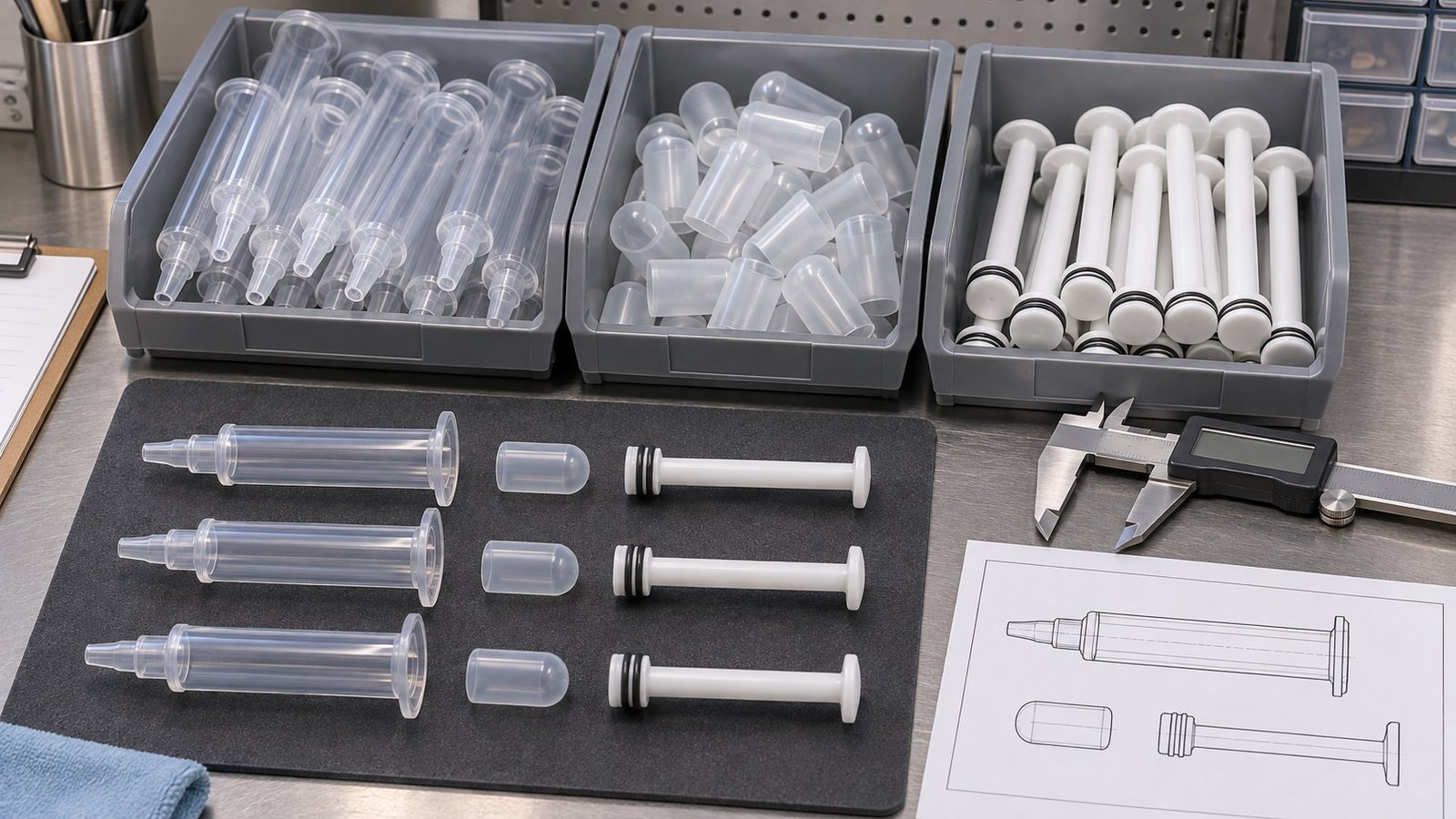
Send the drawings and the packaging as it will actually arrive: barrel, cap, piston or plunger, and any carrier or nest. Include the drawing revision, tolerance ranges and the formats in the first build. A sample supplied in a different assembly state can change the first handling operation. A later change to a flange or cap can affect tooling, feeding and the acceptance test even if the target dose stays the same.
Provide the product handling information needed for a trial, including its expected condition at the filler and any agreed controls for handling and disposal. Confirm the quantity and delivery date of trial material. If the final formulation will arrive later, ask which checks can be done with a substitute and which depend on actual product. The gel bait sample checklist illustrates what a project team can provide for a specific application.
Agree on a date for reviewing the trial results. An early test has more scheduling value if it closes a decision about the product feed, a nozzle or the way the package is supported. List the decisions the trial is expected to close and what happens if a result calls for a different design.
Put a decision owner next to every milestone
| Milestone | What closes it | What can move the date |
|---|---|---|
| Scope and samples ready | Approved format list, drawings, sample set and product information | Packaging revisions, incomplete sets or trial material availability |
| Design released | Approved layout, machine functions, interfaces and any agreed trial conclusions | New format, changed interface or an unresolved process requirement |
| Build and integration ready | Fabricated parts, purchased components, software and integrated stations available for testing | Long-lead components, custom tooling or late interface details |
| Factory acceptance completed | Agreed test records and documented disposition of open items | Missing test material, failed criteria, retest or witness availability |
| Dispatch ready | Agreed release, packing, documents and carrier coordination | Packing or documentation approval, booking or release conditions |
| Site handover | Site ready, equipment installed and agreed site checks complete | Utility or access issues, missing samples or downstream equipment readiness |
Mark each item as supplier-owned, buyer-owned or shared. Give the buyer's engineering and quality teams explicit turnaround dates for drawings and protocols. Ask the supplier to name purchased components that affect the earliest build date and to explain when each can be ordered. An alternate component should be reviewed for compatibility, spares and documentation before it is accepted.
Distinguish a design freeze from a general approval to proceed. Record the drawings, formats, line interfaces and acceptance criteria that have been released. Track any decision left open alongside the latest date it can be made. If an approved input changes, ask for the effect on drawings, hardware, software and testing before approving the revision.
Agree on what releases the equipment after FAT
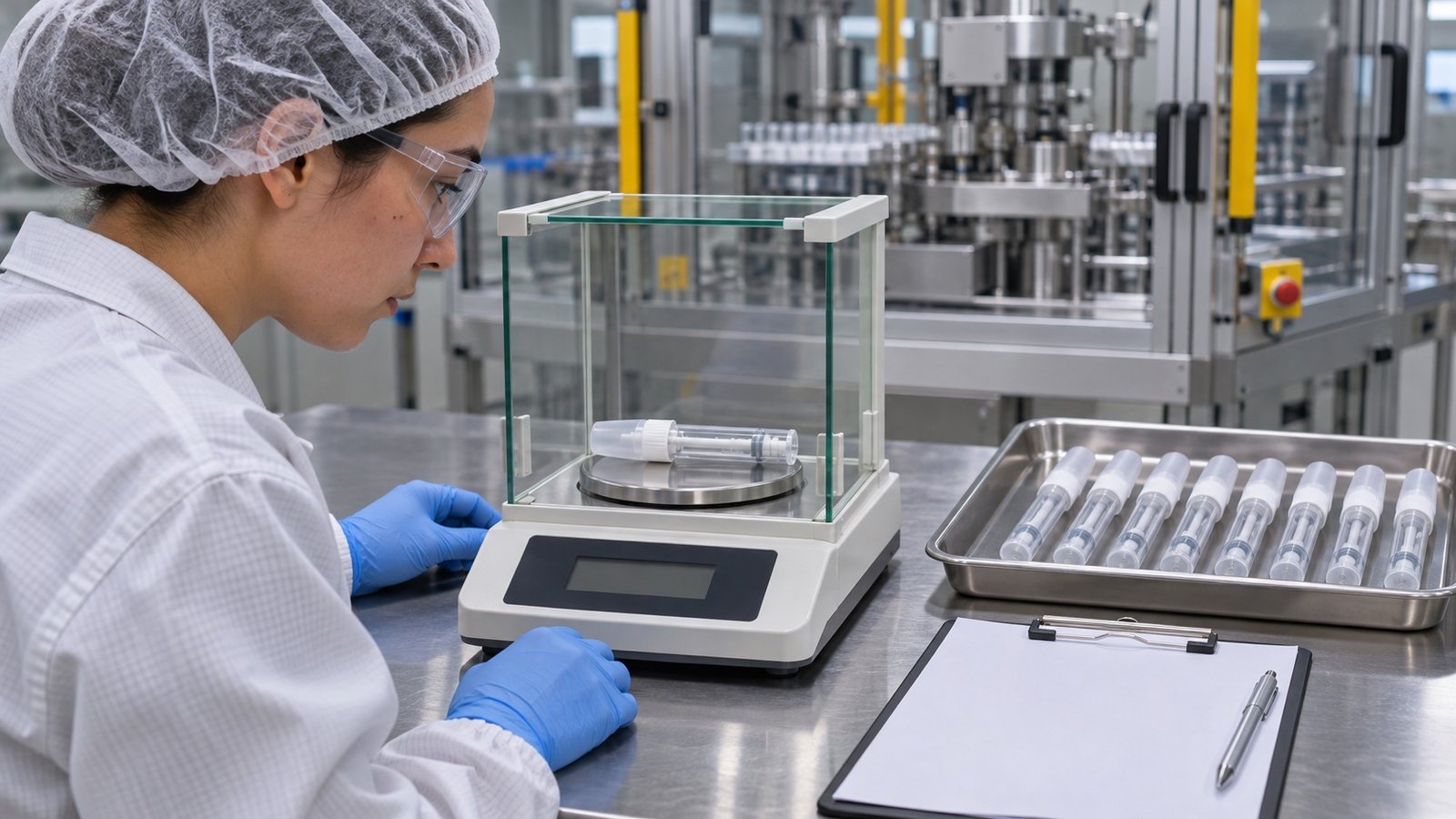
A factory acceptance test (FAT) checks agreed functions of the machine as built before dispatch. Agree on the sample and product, how long the trial will run, which formats will be tested and how results will be recorded. If the test includes a changeover, decide where timing starts and ends. Ask how the supplier will handle results that need a repeat run and which open items must close before the buyer releases the machine.
Treat test material as a scheduled delivery with an owner. A machine can be mechanically complete and still wait for suitable components or an approved protocol. Put a cutoff for sample arrival and document review before the test date. If the supplier offers remote witnessing, confirm which views, records and signoffs the buyer's team needs.
The syringe filler site preparation guide lists the utility and layout inputs to review in parallel. A factory test can establish evidence for the supplied scope, while site checks address the installed system, local connections and actual line interfaces.
Compare schedules by walking through a change
Consider a hypothetical order with two applicator sizes. The buyer has final samples for the first format, while the second cap design is still being revised. One proposal releases the base machine design early and treats the second cap tooling as a dated dependency. Another waits for the second cap before releasing the handling design. Either may be appropriate. The deciding question is whether the second cap changes a shared station, a transfer geometry or an acceptance criterion for the base machine.
Ask each supplier to show the last date that the second cap can be approved without moving the test. If one format is proposed for a later phase, agree on the tooling, test evidence and site work needed to add it. Record the resulting scope in the quote. That lets your team decide whether an earlier first-format handover is worth a separate qualification or production change later.
For every quote, request an assumptions list, a dated milestone plan and an explanation of the activities that control the handover date. Some design, purchasing and site work can overlap. Ask which dependencies actually run in sequence before adding individual task durations together.
Review the schedule before releasing the purchase order
Ask the supplier to return the same milestone plan with the quote and again when it acknowledges the order. Record which dates are targets, which are commitments and what written event triggers any change. Set a regular review for the milestones your teams can influence, such as release of a packaging drawing or delivery of material for the factory test. Agree who can approve a revised schedule when a decision crosses into costs, equipment scope or site availability.
For a practical comparison, ask each bidder to explain three scenarios: the final barrel arrives late, the first acceptance run identifies a problem with one format, and the site installation window moves. A useful response says who acts, which dates move, what can continue in the meantime, and which evidence is needed before release. That gives procurement a way to evaluate the plan even when suppliers use different build methods.
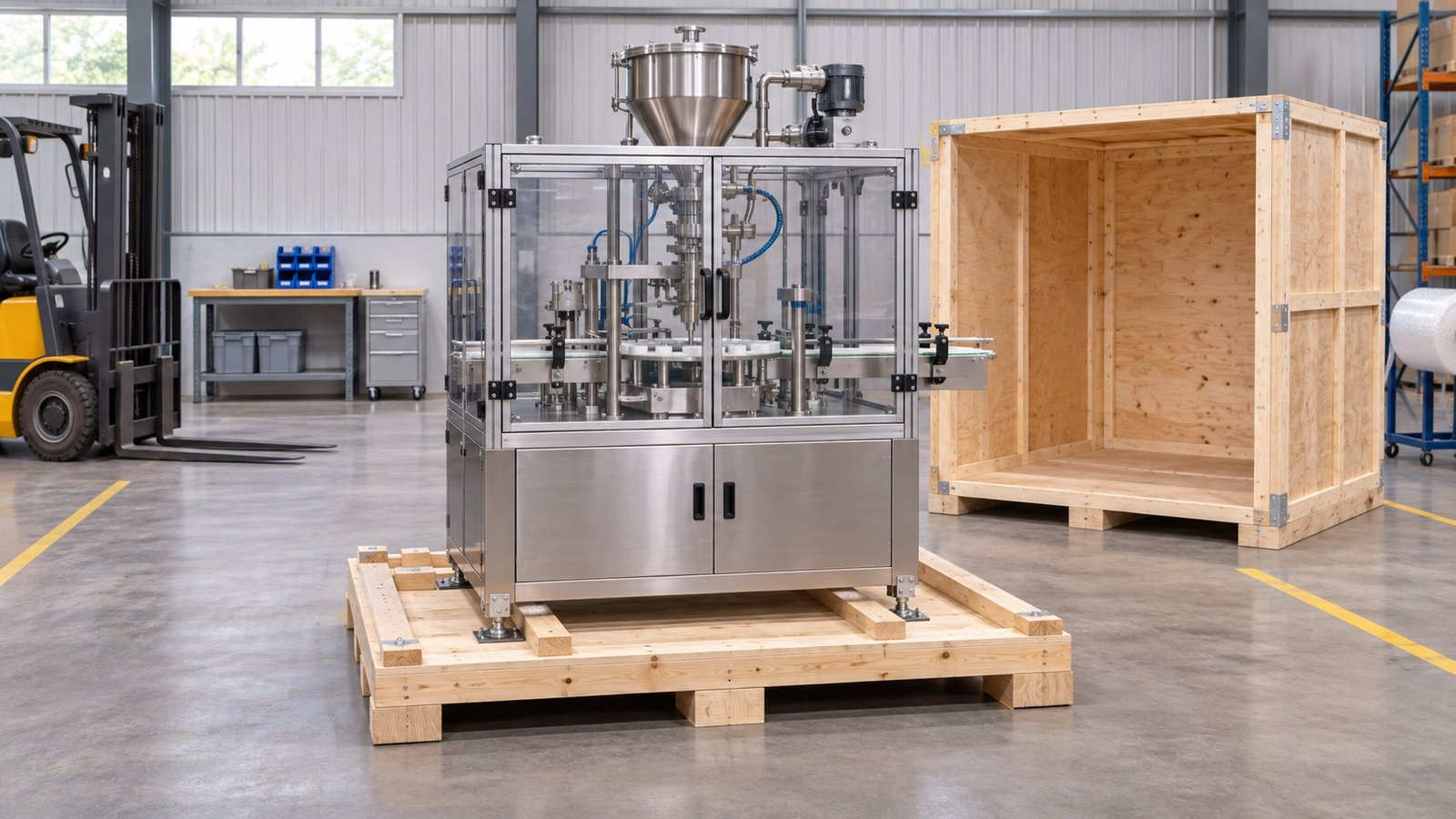
Check the freight and rigging handoff as well. Identify who supplies packed dimensions and weights, who books collection, and who confirms the unloading and delivery window. Tie those responsibilities to the agreed commercial terms and site plan. Where the line must connect to another vendor's equipment, align the installation dates and decide who will be present to troubleshoot the first integrated run.
Prepare a schedule request for King Pack
Send your target production date, complete sample list, drawings, first-build formats, output target and the tests you expect to witness. Include any downstream interfaces or dates that depend on another supplier. King Pack's syringe filling engineering team describes its sample-to-FAT process and can review which steps need to be confirmed for the proposed configuration. Use the installation and commissioning overview to clarify the site handover scope.
Send your project milestones and sample list to request a schedule tied to your intended equipment, test scope and installation plan.
Frequently asked questions
When should the lead time start?
Use the event named in the written quote or order. Ask the supplier to state how payment, sample receipt and design approval affect that date and to show any waiting periods separately.
What can delay a custom syringe filling machine?
Common items to schedule include representative sample delivery, design decisions, special tooling, purchased components, FAT materials and retesting. Ask which of those items controls the proposed handover date for your project.
Can a preliminary schedule be issued before samples are available?
Yes, as a planning estimate with stated assumptions. Agree when the trial result and package dimensions will be reviewed and when the estimate can be updated.
Does factory acceptance include commissioning at my site?
Check the scope of the quote. FAT documents the checks agreed for the factory, while site commissioning uses the installed equipment, utility connections and line interfaces. Ask for the two milestones and their deliverables separately.
How can we shorten the schedule without reducing acceptance scope?
Send representative samples and drawings early, give approvals named owners and dates, and start site preparation while the machine is being built. Ask the supplier which reviews and purchasing decisions can proceed in parallel.