
Introduction
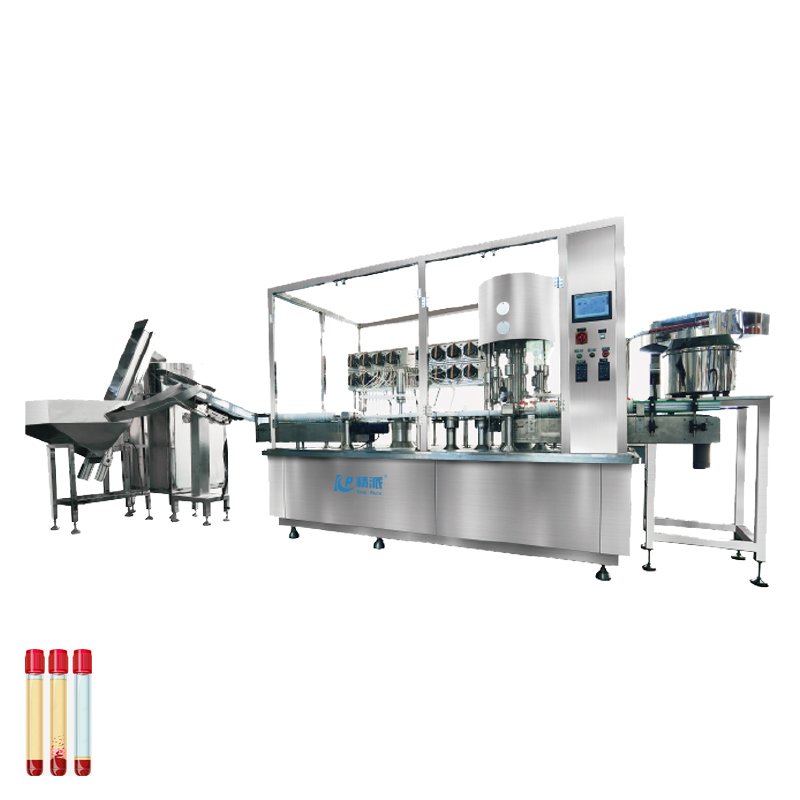
Choosing a liquid filling machine manufacturer starts with the product, container, closure, batch size and required quality controls, not a global popularity ranking. A supplier suitable for an oral-liquid bottle line may not be the right fit for aseptic vials, viscous cosmetics or short development runs.
This is a non-ranked supplier-selection guide. The numbered entries are for navigation, not market share or independently tested performance. Official portfolio pages were reviewed on October 15, 2026; manufacturer descriptions are not proof that every model has every listed capability or meets a buyer’s site requirements.
Recommended Reading: What You Should Know About Liquid Filling Machines – King Pack Machinery
1. Romaco (Germany)
Romaco’s official Macofar portfolio separates aseptic and non-aseptic powder and liquid filling equipment. Use that distinction when shortlisting a pharmaceutical liquid project.
The LF series is presented for non-aseptic pharmaceutical and nutraceutical liquid filling and capping. Its dosing and closing options depend on the product and configuration; they should not be extrapolated to every Macofar machine.
For an LF proposal, ask which dosing system, contact materials, container formats and closures are included. Request the output basis and a product trial rather than transferring a headline speed from another model.
For an aseptic project, ask for the specific aseptic platform and the complete processing, barrier and documentation scope. Do not treat a non-aseptic bottle filler as interchangeable with a sterile-product line.
2. Marchesini Group (Italy)
Marchesini Group’s official Corima profile describes equipment for injectable products, including vial and pre-sterilised syringe processing. This is a more useful starting point for that application than an undifferentiated list of packaging formats.
Define whether containers arrive in bulk or pre-sterilised and which filling, closing, handling and secondary-packaging operations the project requires. Ask the supplier to identify the responsible platform and integration scope.
Request a configuration-specific assessment of product compatibility, interventions, cleaning or sterilisation requirements and container handling. A group-wide portfolio description does not establish that one machine processes all listed formats.
Agree the acceptance tests, qualification documentation and service responsibilities with the project team. Treat changeover speed, production output and quality-system suitability as matters to verify, not universal brand guarantees.
Recommended Reading: What are the precautions for filling and sealing machine? – King Pack Machinery
3. Cozzoli Machine Company (USA)
Cozzoli’s official portfolio includes liquid, powder and ampoule filling equipment and cleaning, sterilising and closing systems. Its application categories include pharmaceutical, industrial, food and beverage, and personal care.
The published range includes small-scale and automatic options. Compare the actual dosing mechanism, contact path and container-closing arrangement for the proposed machine rather than choosing from a general sector label.
Ask for the model brochure and the conditions behind any accuracy or capacity specification. A supplier’s cleaning-design description should not be converted into a blanket FDA approval claim.
For viscous, foaming or chemically aggressive products, provide formulation and packaging data and agree a representative trial. Material compatibility and dosing performance need application-specific evidence.
4. Syntegon (Germany)
Syntegon’s official small-batch portfolio identifies Versynta platforms for pharmaceutical fill-finish applications. The portfolio distinguishes different small- and micro-batch arrangements.
Its ready-to-use filling information covers platforms for vials, syringes and cartridges. Confirm the exact model, container presentation and supported format range before comparing it with a conventional bottle line.
Versynta FFP and microBatch are separate configurations, not one generic machine. Compare the supplied filling system, in-process controls, barrier arrangement and intervention strategy against the intended process.
Ask which cleaning, sterilisation, changeover and qualification functions are actually included. Do not infer universal CIP/SIP capability or site compliance from the brand or the presence of an isolator.
5. PMR System Group (Italy)
PMR System Group’s official product overview lists filling, capping, labelling, monoblocks and custom lines. It also distinguishes powder and granule dosing from liquid-related applications.
The company describes volumetric, pneumatic and electronic dosing units and application-specific linear or rotary arrangements. The proposed configuration, not the general catalogue, determines which formulation and closure can be processed.
For a compact filling-capping-labelling project, define the container, closure, label and target good output together. Check whether handling, controls and change parts are included across all stages.
Request a layout, test plan, utilities schedule and service scope for the quoted system. Affordability, ease of integration and operating cost must be evaluated from comparable quotations and site conditions.
Recommended Reading: Pharmaceutical Filling Machine Filling Systems and Advantages – King Pack Machinery
6. Shemesh Automation (UK)
Shemesh Automation’s official liquid-filling page describes automatic fillers and integration into packaging lines. It discusses several dosing technologies rather than a single universal filling principle.
Potential technologies described include piston, gear-pump, gravity, peristaltic and net-weight approaches. Ask which one is proposed for the formulation, fill target and container, and what cleaning and contact-material requirements apply.
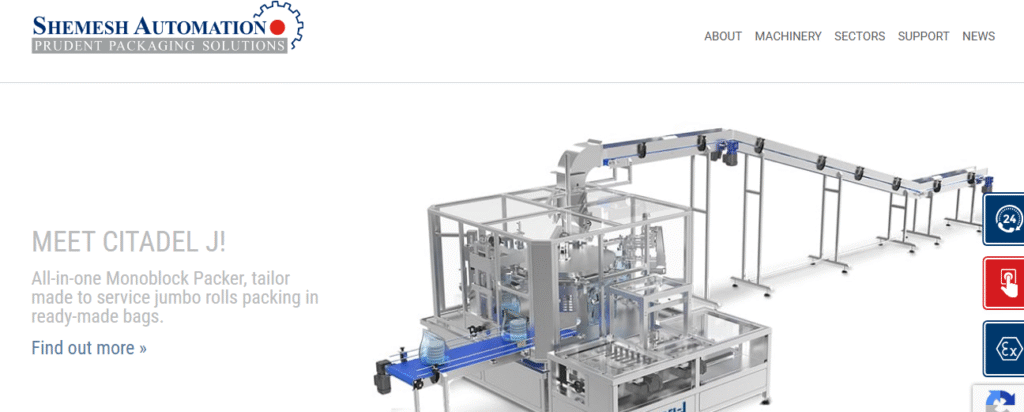
A portfolio headline speed should not be treated as the guaranteed output of every Shemesh machine. Compare the specific model under the intended product, filling volume, closure and inspection conditions.
Where a complete line or monoblock is proposed, verify buffers, transfer interfaces, stop/restart behaviour and service access. Integration scope and maintenance responsibilities should be explicit in the quotation.
7. Harro Hofliger (Germany)
Harro Höfliger’s official baXeptic process information describes matching liquid-product properties to filling technology. This supports an application-led discussion rather than assuming a generic bottle-filling portfolio.
The information identifies peristaltic and time-pressure dosing among the relevant filling technologies. Discuss product viscosity and sensitivity, contact-path requirements and the intended processing environment with the supplier.
Do not transfer capsule, blister or other product-platform capabilities to an unrelated liquid line. Request the named liquid-processing platform and the specific container and closure scope.
Agree handling, transfer, cleaning, process controls and acceptance documentation for the actual application. Factory software integration or hazardous-product suitability must be confirmed separately rather than inferred from the supplier name.
8. Watson Marlow (UK)
Watson-Marlow’s official Flexicon portfolio describes peristaltic liquid-filling systems, from stand-alone and semi-automatic equipment to automatic filling, stoppering and capping arrangements.
For a peristaltic proposal, define the liquid, tubing, dose, container and operating conditions. Confirm the supplied fluid path and handling modules rather than assuming that all filling principles or washing operations belong to the same platform.
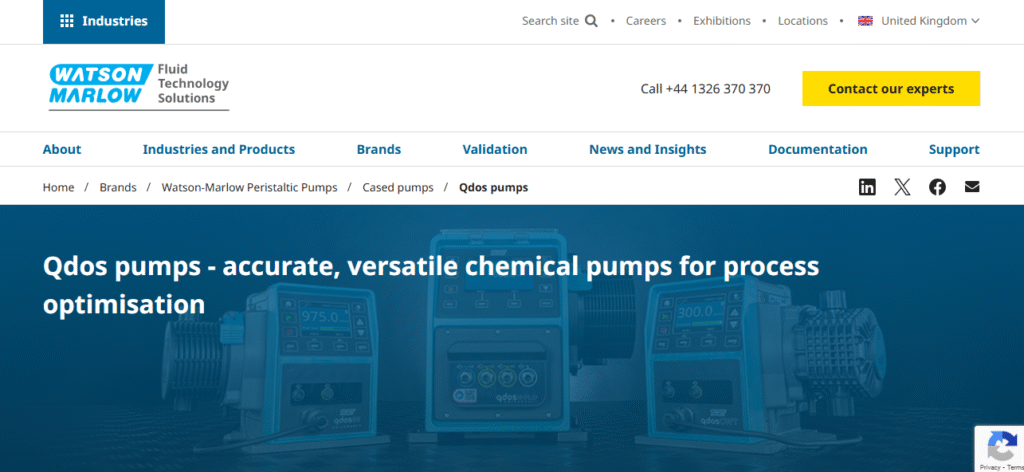
Flexicon describes configurations for aseptic fill-finish, with barrier options depending on the system. Ask which modules, environmental provisions and documentation are included in the actual proposal.
A single-use fluid path changes cleaning and changeover requirements but is not, by itself, evidence of zero contamination risk or regulatory approval. Product compatibility, handling and the complete process still require assessment and verification.
9. Pack Leader Machinery (Taiwan)
Pack Leader’s official filling portfolio includes liquid and tube filling equipment. Choose the relevant product family first; the two packaging processes are not interchangeable.
Its FL-800 product page describes a filling/inserting/capping monoblock with model-specific pump and nozzle options. This provides a concrete configuration to compare instead of relying on an unsupported global export or market-position claim.
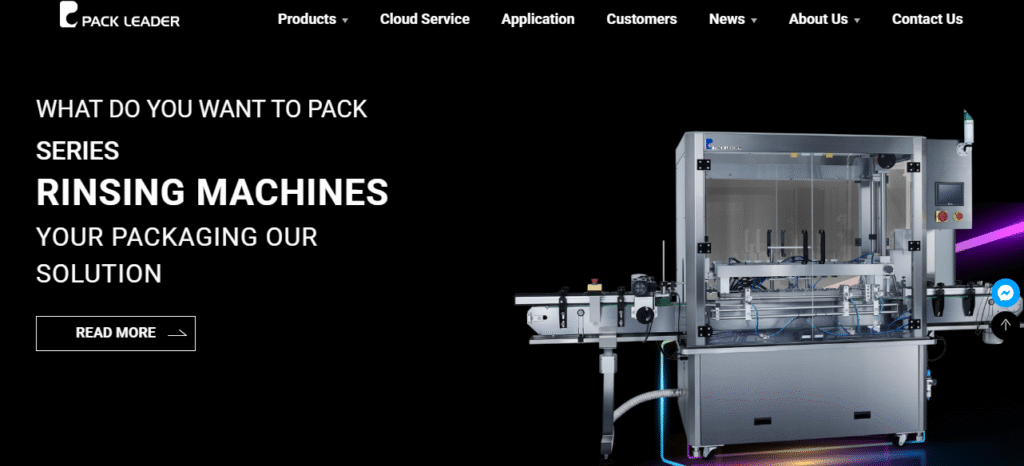
For a bottle project, check the actual fill range, container handling, closure insertion, capping and format parts. PLC and touchscreen features are useful controls but do not establish product compatibility or accepted output.
Request the current specification and test the intended pack. Material and quality-system statements should be reviewed against their exact scope; they are not proof of every site’s hygiene or validation requirements.
10. King-Pack Machinery (China)
Founded in 2009, King Pack Machinery is based in Wuxi, Jiangsu. Its core management and technical teams have more than 20 years of industry experience; that should not be restated as the company’s operating age.
King Pack’s scope includes vacuum emulsifying mixers, tube filling and sealing, filling and capping, syringe and vial filling, veterinary applications and packaging-line integration. Confirm the proposed model and configuration against the product and pack.
For a liquid project, provide the formulation, fill target, container and closure samples, target good output, cleaning needs and room constraints. Agree a representative test and model-specific acceptance limits instead of assuming universal speed or accuracy.
King Pack can support configuration, factory acceptance testing, documentation, training, spare parts and after-sales support. Agree the responsibilities and deliverables in the project documents; service availability and certification scope must not be invented.
Recommended Reading: How to maintain filling and sealing machine regularly? – King Pack Machinery
Factors to Consider When Choosing a Manufacturer
When selecting a liquid filling machine manufacturer, these are critical factors:
- Process requirements: Define whether the product is sterile or non-sterile, the fill target and acceptance limits, formulation behaviour, container and closure. Have the site quality team define required process controls and documentation.
- Configuration and flexibility: List the actual formats, tooling, cleaning and changeover tasks, utilities, layout and integration interfaces. Demonstrate required changes rather than assuming every modular system is freely expandable.
- Support scope: Agree spare parts, training, service response, remote support and maintenance responsibilities in writing. Review local availability and exclusions rather than accepting a general uptime promise.
- Evidence and acceptance: Request configuration-specific declarations and applicable supporting documents, material records and an agreed FAT/SAT plan. Review the document issuer, scope and validity; do not treat a generic logo as certification of the complete process.
Conclusion: Choosing the Right Partner for Liquid Filling Success
A useful shortlist is one whose candidates can meet the same documented product, pack and operating requirements. Compare quotations on the included scope, demonstrated good output, cleaning and changeover effort, installed layout, documentation and support.
For King Pack or any other supplier, request the applicable declarations, certificates and supporting records for the actual configuration. This article does not certify any machine, guarantee regulatory acceptance or establish that a named supplier is the best choice for every application.
Send King Pack your product and packaging requirements to discuss a configuration and test plan. Use the same evidence checklist when evaluating alternatives.