 Skip to content
Quick answer
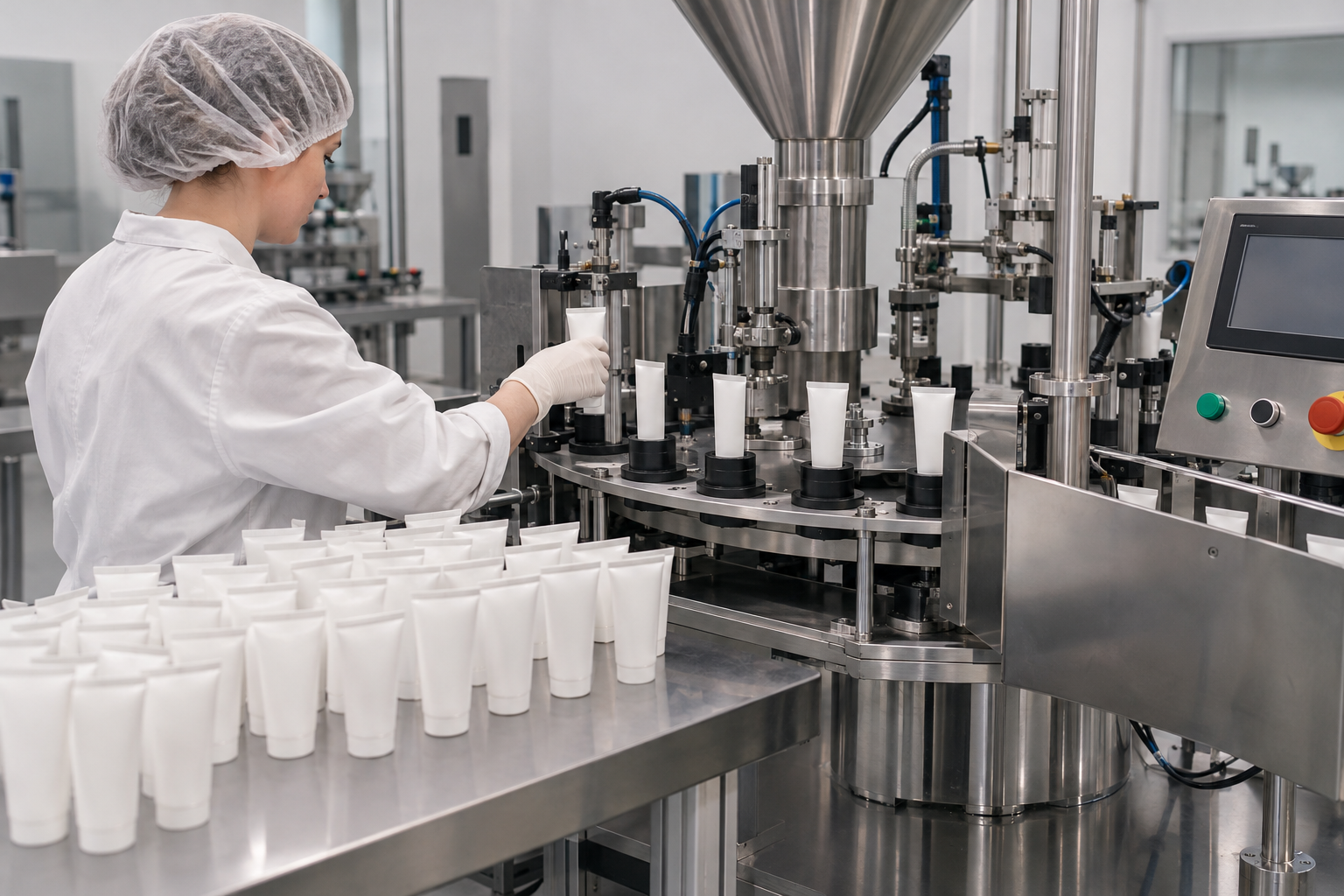
A semi-automatic tube filling machine is usually suited to lower-volume production, new-product launch, frequent manual handling or operations where trained staff can load tubes and control each cycle. An automatic tube filler coordinates tube feeding, orientation, filling, sealing and discharge to support repeatable higher-output production. The right choice depends on realistic batch demand, SKU count, operator availability, product and tube complexity, quality checks, line integration and the planned growth horizon. Buyers should compare the complete workflow and not select from nominal speed alone.
Introduction
The automatic-versus-semi-automatic choice is often treated as a question of speed. Speed matters, but it is only one part of the decision. A production manager also has to consider how tubes arrive at the machine, who prepares product, how often formats change, who checks the first-off tubes, how finished tubes are packed and whether the line must connect to cartoning or other equipment.
A sensible selection begins with the actual production pattern. A start-up making small batches across many SKUs may value flexibility and hands-on control. A mature manufacturer with repeat orders may need a system that reduces repeated manual movements and creates a more stable line flow. Neither choice is inherently “better”; each needs to fit the job.
The functional difference
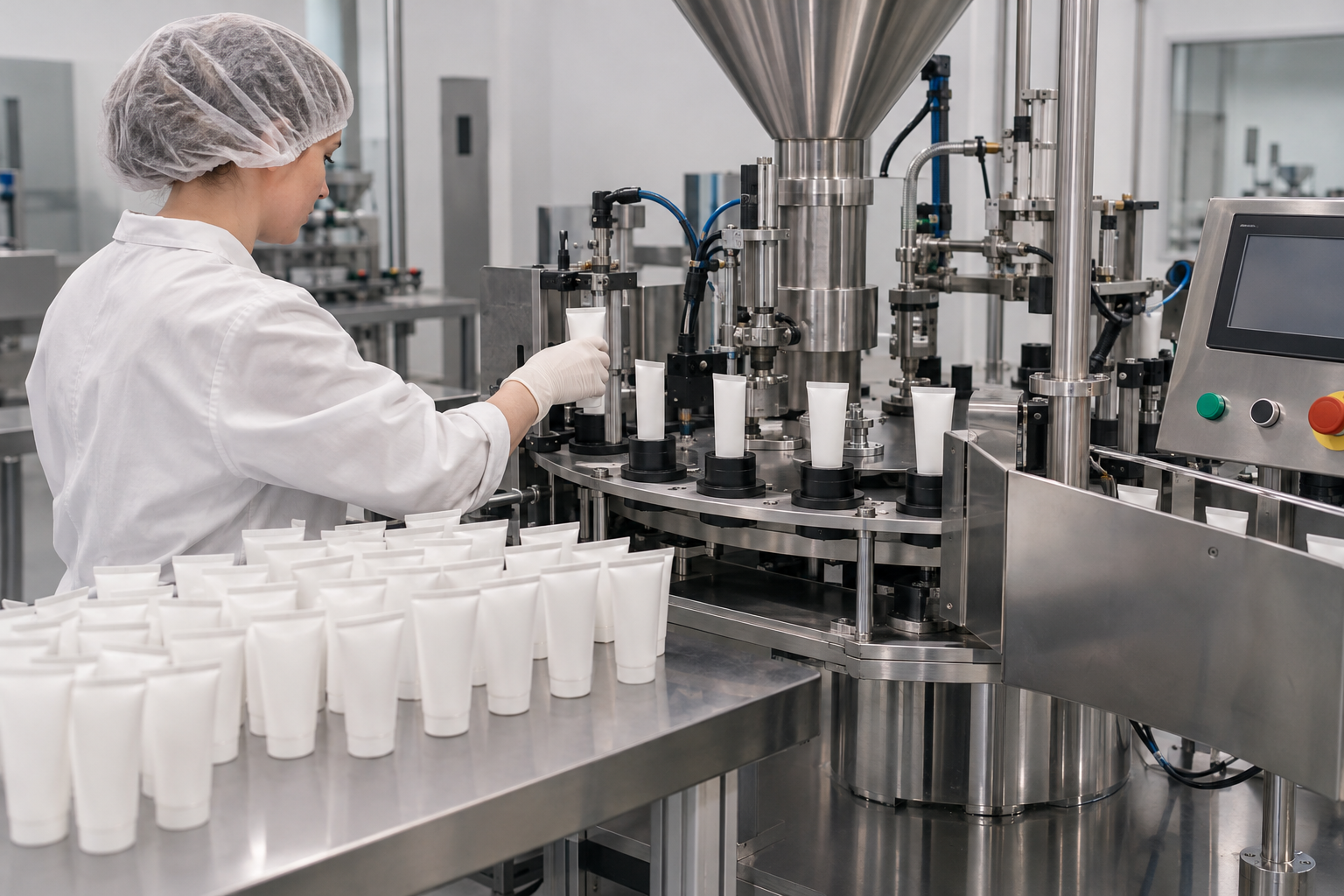
A semi-automatic tube filling machine generally relies on operators for tasks such as placing tubes, starting cycles, managing product feed and removing or transferring finished tubes. The machine still performs defined technical functions such as filling and sealing, depending on configuration. It can be useful where output is modest, product development is active or space and capital scope are limited.
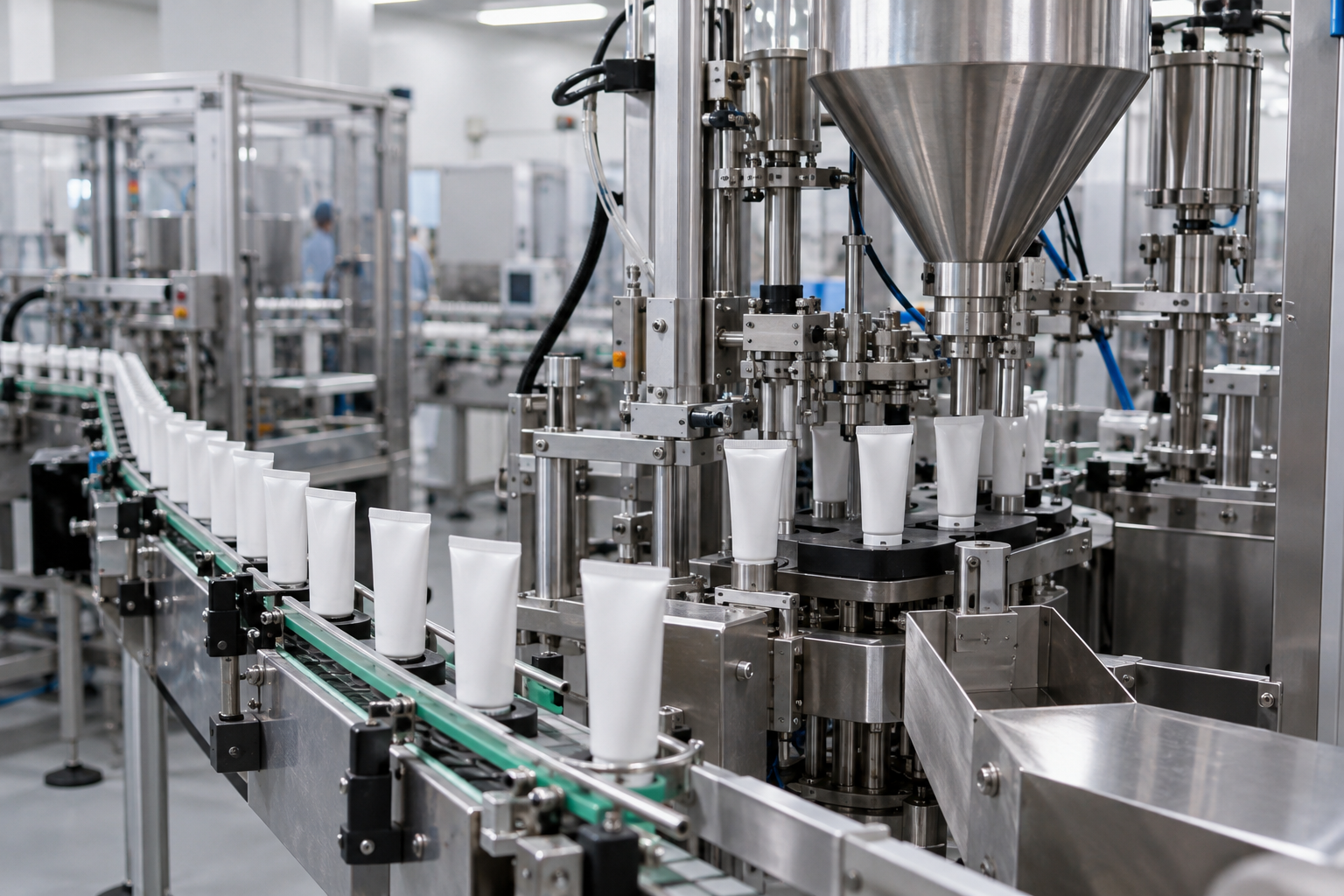
An automatic tube filling and sealing machine adds linked stations that can feed, orient, fill, seal, code and discharge tubes in sequence. It can be paired with conveyors, cartoning or inspection equipment when the production scope supports that integration. The benefit is not simply a higher theoretical rate. It is a more controlled sequence of repeatable actions when the machine, materials and operators are properly prepared.
| Decision area | Semi-automatic approach | Automatic approach |
|---|---|---|
| Tube loading | Operator places or presents tubes. | Machine-managed feeding and orientation are configured for the tube format. |
| Batch size | Often practical for small or variable batches. | Usually justified by repeatable demand and planned production utilization. |
| Labor pattern | More direct operator involvement during the cycle. | Operators focus more on preparation, replenishment, checks and line supervision. |
| Line connection | Often stand-alone or lightly connected. | Can be designed as part of a wider packaging flow. |
| Changeovers | Can be flexible, but depend on operator procedure. | Needs defined format parts and recipe/changeover discipline. |
Start with a capacity calculation, not a catalogue speed
Estimate the required output from your annual demand, batch sizes, working days, planned shifts and product-change frequency. Do not assume every scheduled minute is filling time. Product preparation, tube loading, sampling, cleaning, line clearance and format changeovers all consume time.
For a first calculation, answer the following:
- How many tubes are required per SKU per month?
- What is the typical and maximum batch size?
- How many different tube diameters, lengths or cap styles will be used?
- How long does product preparation and transfer take?
- How often must the line be cleaned or cleared between products?
- Which quality checks occur during the batch?
- What downstream step determines the real line bottleneck?
This exercise may show that a semi-automatic machine can cover the near-term workload. It may also show that the company is already relying on overtime or inconsistent manual handoffs, making automation more appropriate. The result should be a range of required effective output, not one optimistic peak number.
When semi-automatic equipment is a good fit
Semi-automatic equipment can be the right engineering choice when the business is still validating products, when batches are short and varied, or when operators need frequent access to the process. It can allow a team to learn how its product behaves in the hopper, nozzle and seal zone before making a larger capital commitment.
It is especially useful when the operation has reliable trained personnel and a simple material flow. The line layout should still give operators safe access to tube supply, product feed, controls and finished-goods handling. A small machine should not be placed in a layout that forces repeated lifting, cross-traffic or uncontrolled accumulation.
A semi-automatic system is less suitable when manual loading becomes the limiting step, when every shift is chasing demand or when process consistency depends excessively on individual operator technique. These are signals to evaluate automation, not necessarily to buy the fastest available machine.
When to upgrade to automatic tube filling
Review the proposed stations and format range in the tube filling machine configuration before comparing its operating model with a manually loaded alternative.
The case for an automatic system becomes stronger when production demand is stable enough to use it, when repeatability and traceability requirements increase, or when manual tasks are creating quality or labor pressure. Common triggers include:
- multiple recurring shifts devoted to the same tube format;
- frequent manual handling that limits the achievable batch size;
- a need to coordinate filling with coding, inspection, cartoning or line conveyors;
- more formal control of product, tube and batch changeovers;
- a requirement to reduce variability in loading, orientation or discharge steps.
The decision should include the surrounding process. A fast automatic filler will not solve a slow product-preparation step or a congested cartoning area. Map the material flow from bulk product through tube filling to finished case packing before finalizing the line.
Quality and process control at both levels
Automation does not remove the need for process discipline. Both semi-automatic and automatic lines need defined set-up checks, tube inspection, fill verification, seal evaluation and cleaning procedures. The difference is where people spend their attention. In a semi-automatic process, direct operator actions may form a larger part of every cycle. In an automatic process, the team needs effective controls for replenishment, recipe selection, first-off approval and response to alarms or rejects.
For either option, document the “first good tube” routine. It should identify the material, product, settings, visual criteria, quality sample and responsible reviewer. This simple practice helps prevent a batch from progressing before the filling and sealing result is confirmed.
Make changeovers visible in the quotation
Use a tube filling change-parts list to separate tooling changes from recipe adjustments and cleaning work.
SKU flexibility is often underestimated during equipment selection. Ask the supplier to list the tube formats, change parts, settings and estimated operator steps for every planned format. This is more useful than a broad statement that the machine is “multi-size.”
For automatic equipment, confirm how tube orientation handles artwork and how the system manages different diameters, lengths and cap designs. For semi-automatic equipment, confirm which adjustments the operator makes and what guides or fixtures keep the process repeatable. In both cases, include future formats if they are already known.
Send your batch schedule, tube sizes and target output. King Pack can help compare a semi-automatic and automatic tube filling configuration against your actual process flow.
Factory testing and installation preparation
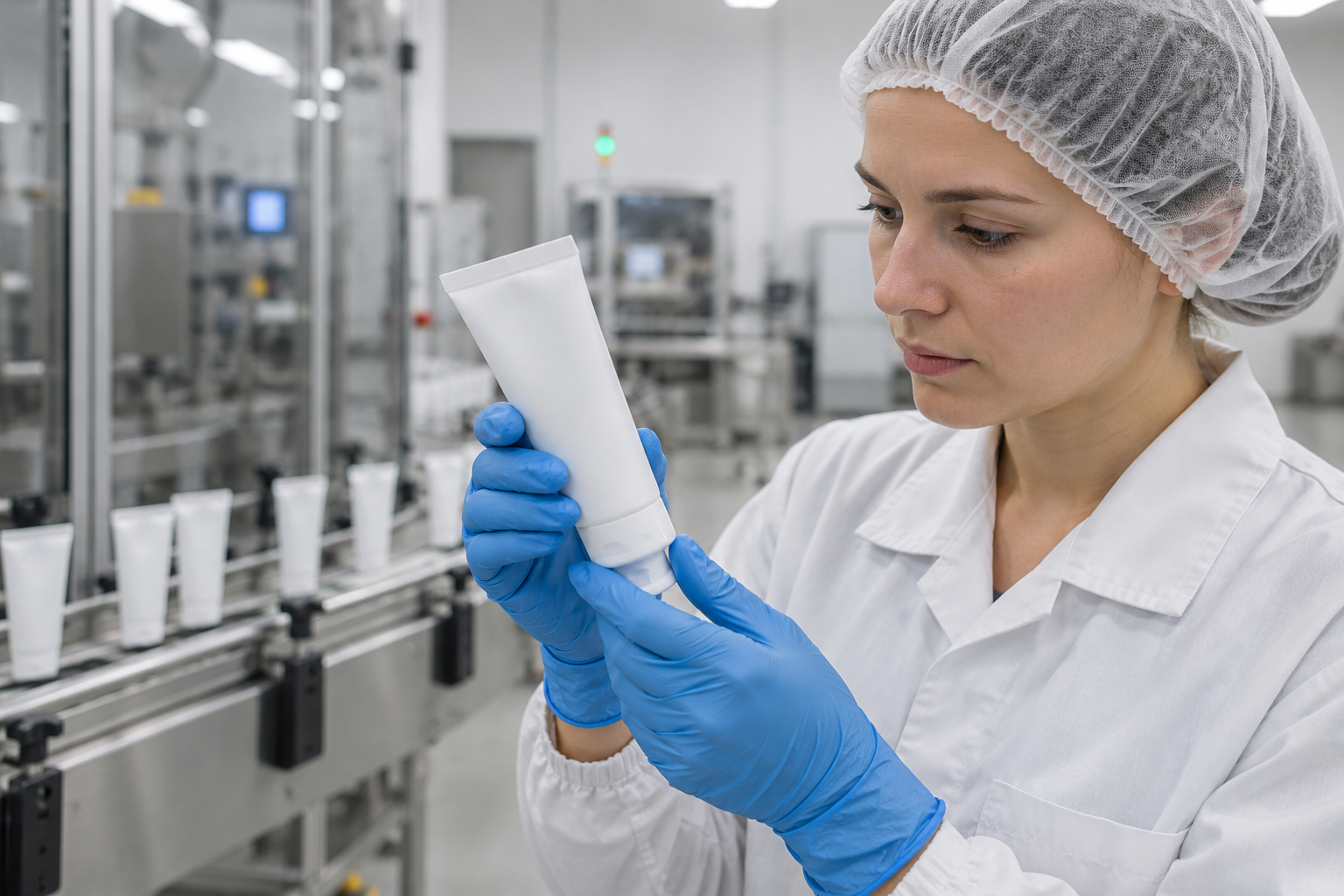
A factory acceptance test should be planned around the selected machine’s role. Bring or send the intended tubes, cap details and product or an agreed representative. Confirm the tests for filling presentation, seal appearance, coding, discharge and safety functions. If the machine will connect to other equipment, agree the interface scope and signal responsibility before shipment.
Before installation, review utility connections, floor plan, operator access, raw-material staging and finished-product flow. An automatic system needs space not only for the machine, but for tube magazines, product supply, maintenance access and any conveyors or downstream equipment. A semi-automatic machine needs a safe and ergonomic operator zone.
A practical transition plan for growing manufacturers
For connected production, define the tube filling and cartoning interface so that a faster filler does not create an unmanaged downstream queue.
Moving from semi-automatic work to an automatic tube line is a process change, not merely a machinery delivery. Start by documenting the current operation: batch records, changeover steps, manual checks, actual waiting time and recurring quality observations. This information reveals what should be standardized before automation. For example, consistent tube staging, defined product-transfer steps and a first-off checklist make the new line easier to commission and operate.
Then create a future-state layout. Show the locations for bulk product, empty tubes, finished tubes, sampling, rejected material, tools and operator movement. Include the people who actually run the line in the review; they can often identify access issues that are invisible on a simple floor drawing. The goal is to make routine actions straightforward and prevent the new machine from becoming an isolated bottleneck.
Training should be organized by role. Operators need safe start-up, format change, cleaning and escalation instructions. Maintenance personnel need access to routine inspection points and a spare-parts list. Quality personnel need to understand the agreed sampling and approval procedure. During FAT and installation preparation, record those responsibilities so they are not left to informal handover after the supplier leaves.
A phased upgrade can be sensible. Some businesses start with the selected filler and a clear interface for future coding, inspection or cartoning. Others benefit from integrating the full line at once because manual handoffs are already the constraint. The correct sequence follows the production plan and evidence from the existing workflow, not a generic automation roadmap.
Compare the labor model with a witnessed workflow
Before choosing automation, ask both suppliers to describe a complete batch using the same tube, fill volume and product. Include preparation, replenishment, normal production, sampling and the end-of-batch clearance. A demonstration of a short filling cycle is useful, but it cannot answer whether one operator can safely support the surrounding activities during a full shift.
Make a task sheet for each operating model. For each activity, record who performs it, whether it can be completed while the machine runs, what materials must be available and what happens if that person is unavailable. Separate direct cycle tasks, such as placing or removing a tube, from support tasks such as mixing, tube replenishment, cleaning and packing. Automation can change the balance of those tasks without removing the need for trained personnel.
Observe the transition between normal operation and an interruption. Ask how an operator stops the cycle, identifies the last acceptable tube, handles a partially processed package and resumes under the approved procedure. These details often matter more than a brief peak-speed demonstration, especially when a team is moving from a familiar manual process to linked automatic stations.
Use the review to prepare three purchase conditions:
- Current workload: confirm that the proposed workflow meets the approved batch schedule with the planned staffing and quality checks.
- Format flexibility: agree the current tube list, change parts, settings access and first-off approval procedure. Do not equate flexibility with an unlimited format range.
- Expansion boundary: identify which interfaces are provided now and which would require further equipment, controls or layout changes later.
Finally, involve operators and maintenance staff in the review. Their questions about access, tube loading, product residue and adjustment tools help make the operating assumptions visible. Record open points in the quotation scope so procurement can compare both proposals on the same basis. The decision then becomes a documented fit between demand, labor and process control instead of a choice based only on the words automatic or semi-automatic.
FAQ
Is an automatic tube filling machine always faster?
It is designed for a coordinated higher-output process, but the effective output depends on product preparation, material supply, changeovers, quality checks and downstream handling. Evaluate the whole line.
Can a semi-automatic filler be used for cosmetic and pharmaceutical products?
Suitability depends on the product, process controls, cleaning approach, documentation needs and local regulatory requirements. Define the application requirements before choosing equipment.
How do I decide when to upgrade?
Review actual demand, labor use, batch delays, quality variation, SKU patterns and planned growth. Upgrade when the present workflow is consistently the constraint and automation supports a verified need.
What information is needed for a comparison quote?
Provide product behavior, fill volume, tube material and sizes, cap style, batch size, target output, number of SKUs, utilities, layout constraints and required inspection or documentation scope.
Will automation eliminate operators?
No. Automation changes the work. Operators are still needed for material preparation, replenishment, product checks, sampling, cleaning, changeover and safe response to normal operating conditions. The best project defines these roles before installation rather than assuming the machine will operate without supervision.
Can a line be designed for future expansion?
Often yes, when future requirements are identified early. Confirm available floor space, electrical and utility capacity, control interfaces and the physical path for future conveyors, inspection or cartoning equipment. The final scope should state exactly what is included now and what is only an interface provision.
Evaluate the operating model, not only the equipment
Before final selection, walk through a normal shift with operations. Identify who receives tubes, who prepares bulk product, who approves start-up, who carries out in-process checks and who responds when a tube is rejected. Draw the movement of people and materials around the proposed machine. This will reveal whether a proposed automation level fits the available space and staffing model.
Use that review to define practical success criteria for the project: safe access, controlled material staging, understandable operating instructions, appropriate quality checks and a maintainable layout. These outcomes make the automation decision operationally useful rather than a catalogue comparison.
Conclusion
The best tube filling machine is the one that fits the real production model. Semi-automatic equipment can provide controlled flexibility for smaller or changing workloads. Automatic equipment can provide a more integrated, repeatable production sequence when demand and line readiness justify it. The decision becomes clearer when procurement, operations and quality compare the complete workflow instead of one speed figure.
Request an automatic versus semi-automatic comparison worksheet from King Pack Machinery. Share your output target and formats, and we will help define the questions needed for a comparable equipment proposal.
