
This page focuses on hot sauce bottling line cost and configuration decisions. Final pricing depends on sauce viscosity and particles, target output, bottle and cap formats, automation level, food-contact requirements and the number of integrated line modules.
For a broader equipment-selection overview, read the main hot sauce bottling machine guide. For project pricing, send product and package samples through the KING PACK contact page.
Market-size figures vary by source and definition. The equipment decision should be based on the producer’s product, packages, target output, food-contact requirements, and validation plan.
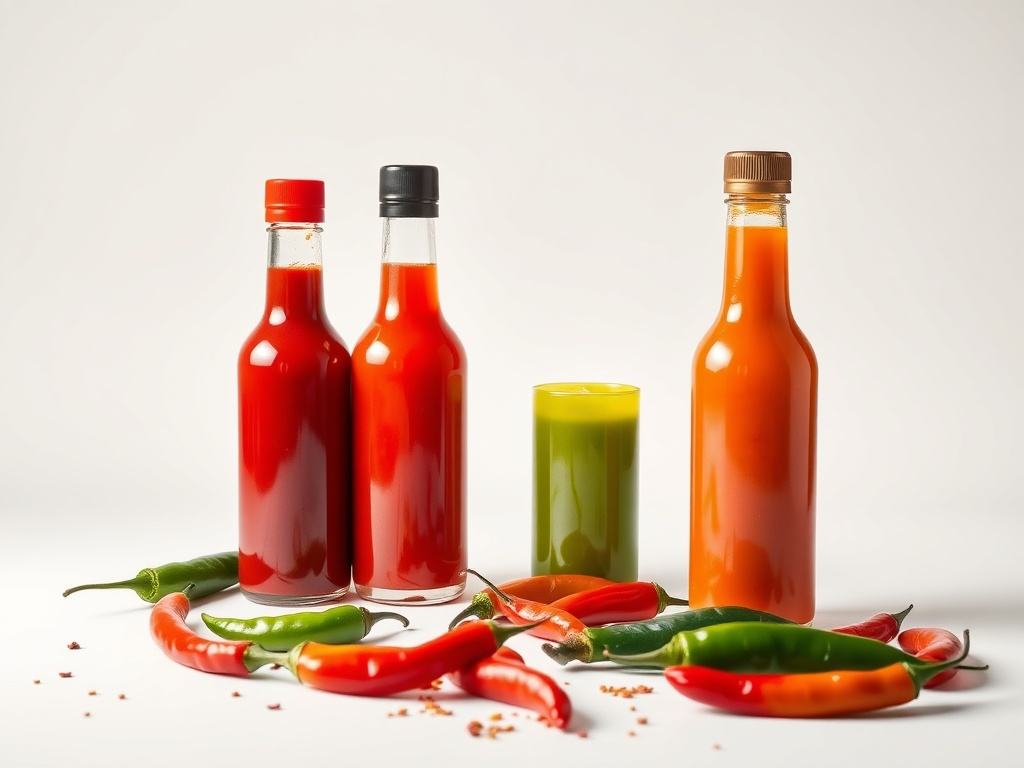
Regional market and consumer figures are directional and should be checked against the source date and methodology. They do not by themselves determine a bottling-line specification.
KING PACK can configure bottling equipment for selected hot-sauce products and package formats. The final result depends on viscosity, particles, temperature, bottles, caps, cleaning, and line integration.
Hot Sauce Bottle Selection
Glass Bottles
Glass may be suitable for acidic sauces when the formulation, closure, coating, and process are compatible. Confirm material compatibility and shelf-life requirements with the product and packaging supplier.
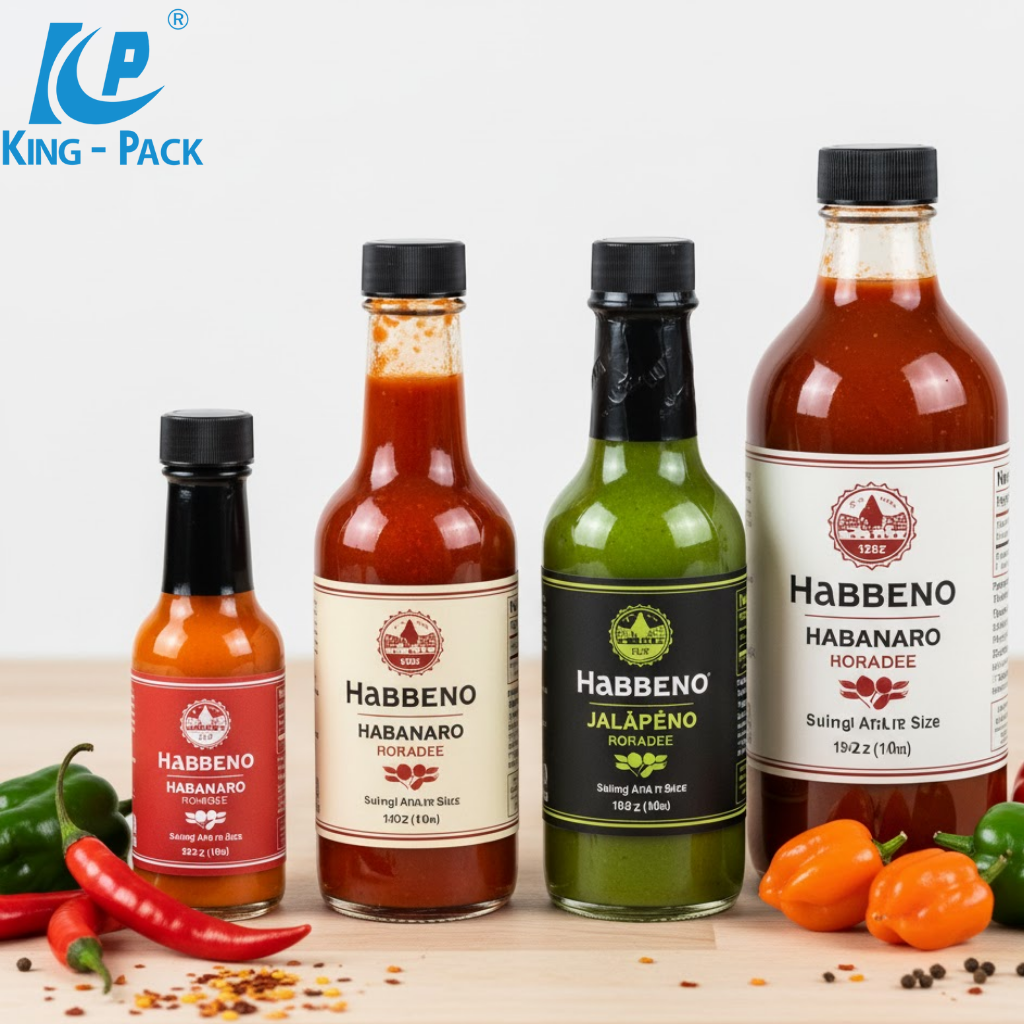
Glass can support product visibility and a premium presentation, but the choice should also consider breakage, weight, shipping, and the product’s packaging specification.
Common glass bottle sizes include:
- 2 oz (50-60ml): Sample sizes and gift sets
- 5 oz (148ml): Standard retail size, the most popular format
- 10 oz (296ml): Value size for regular consumers
- 12 oz (355ml): Economy size for household use
Glass offers potential barrier and presentation benefits, but food-contact compliance and hot-fill suitability depend on the exact glass, closure, coating, process temperature, and validation. Hot fill should not be assumed to replace the applicable food-safety process.
Glass isn’t perfect. Bottles break during shipping. Weight adds transportation costs. But for brands building premium positioning, these drawbacks rarely outweigh the benefits.
Recommended Reading: What is a pouch packaging – KING PACK Machinery
Plastic Bottles
Plastic bottles may suit squeeze formats or distribution environments where breakage is a concern. Select PET, HDPE, or another material based on food-contact compliance, chemical compatibility, oxygen barrier, and shelf-life testing.
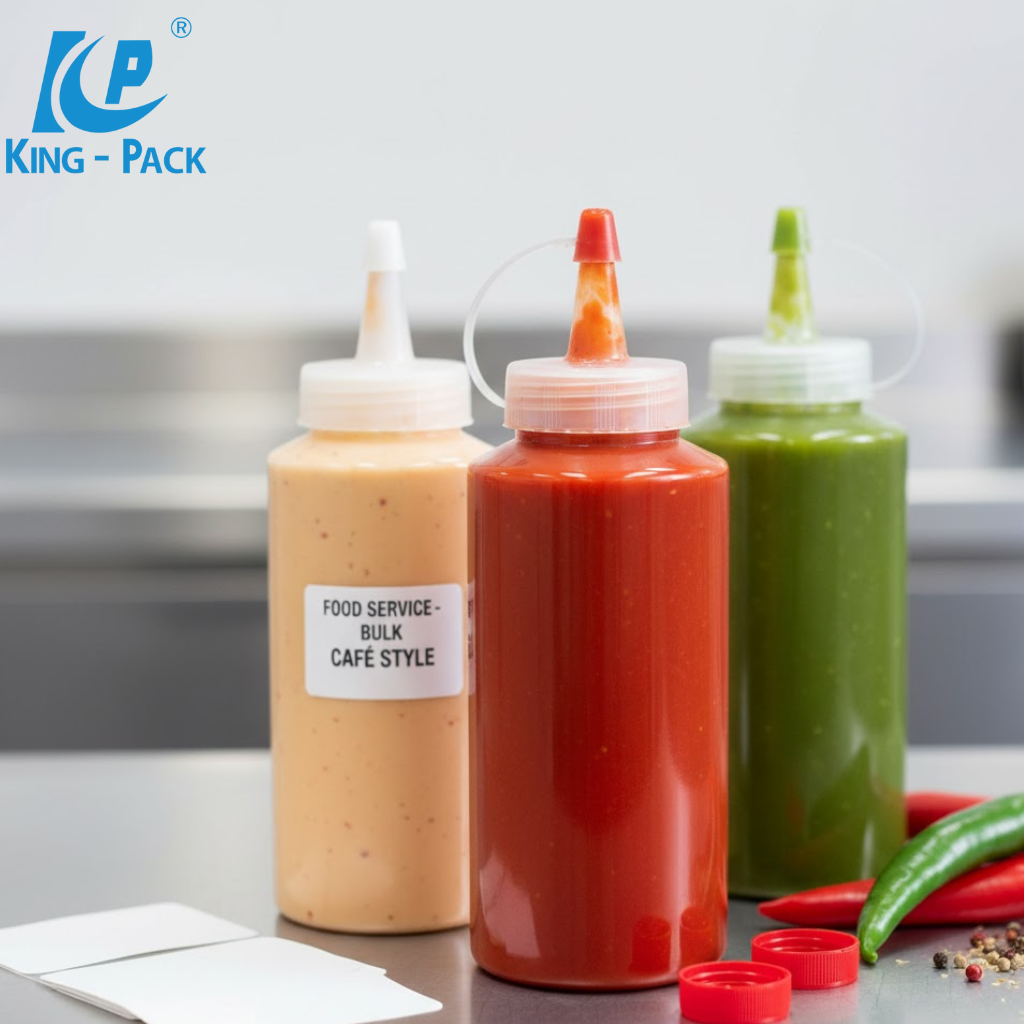
PET and HDPE are common packaging options, but their suitability depends on the sauce, acidity, temperature, barrier requirements, and regulatory documentation.
Plastic works well for:
- Squeeze applications where consumers dispense sauce directly
- High-volume food service packaging
- Budget-conscious brands competing on price
- Distribution channels where breakage creates major problems
Use food-contact materials rated for the product and process. Acidic or hot sauces can interact with some plastics or closures, so compatibility and shelf-life should be verified rather than inferred.
Recommended Reading: How Are Ketchup Packets Made – KING PACK Machinery
Hot Sauce Bottling Machines
Volumetric Filling Machines
Volumetric fillers can suit relatively uniform, free-flowing sauces. Product viscosity, temperature, particles, and calibration determine the actual repeatability.
Time-pressure or flow-meter systems may be used in selected configurations. Accuracy is affected by viscosity, temperature, pressure, and nozzle behavior; verify with the actual product.
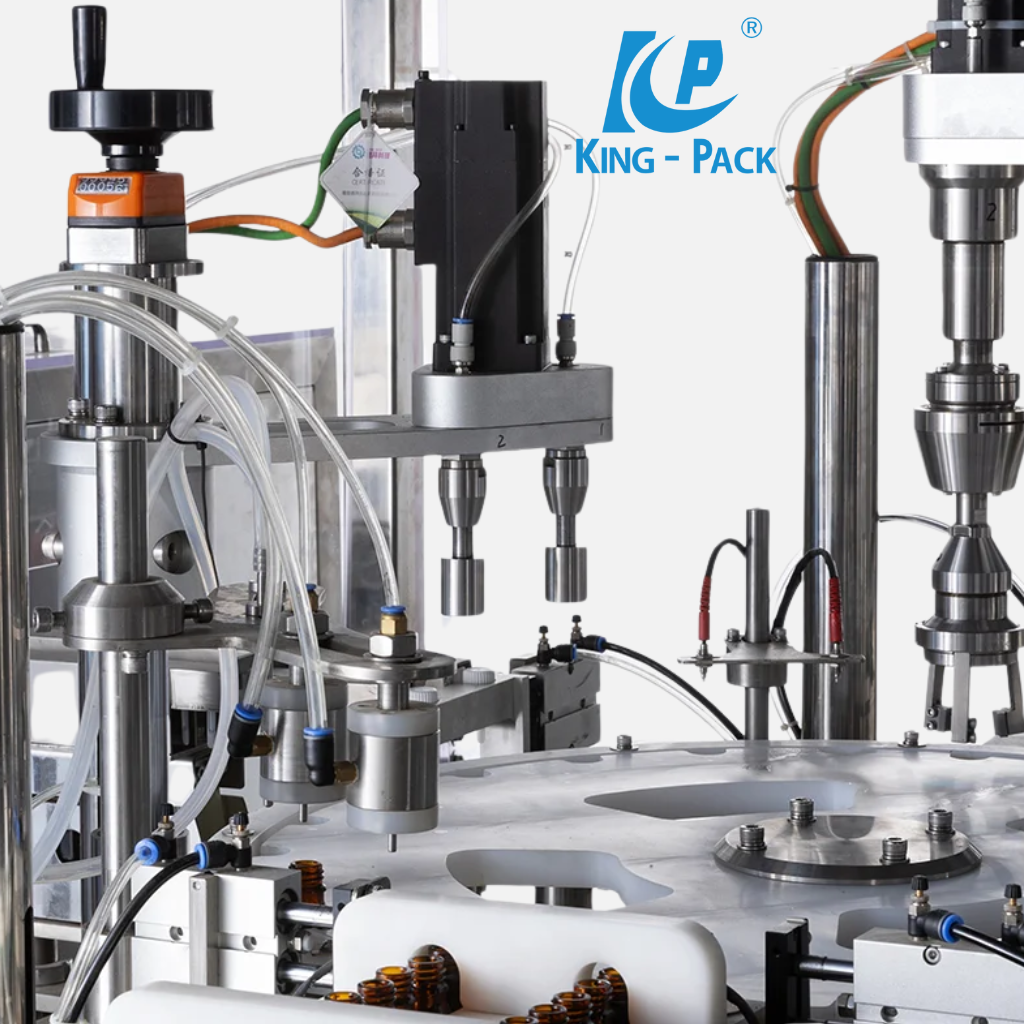
Available speed and bottle range depend on the selected line configuration, bottle, product, and acceptance criteria. Treat example ranges as indicative only.
Advantages include:
- Fast cycle times for high-volume production
- Simple operation and maintenance
- Lower initial equipment cost
- Accuracy should be confirmed with representative sauce and bottles at the target speed.
Temperature can affect viscosity and flow. Use product-specific trials to determine whether temperature control, agitation, or another approach is needed.
Piston Filling Machines
Piston filling may suit thicker sauces or products with particles, but the piston, valve, pump, and nozzle must be selected for the actual particle size and viscosity.
Particle-bearing sauces may require larger product paths, suitable valves, and cleaning procedures. Confirm fill repeatability and clogging behavior with representative samples.
Particle size, concentration, and shape determine the required pump, nozzle, hose, and cleanout design. Confirm the configuration through product trials.
Piston fillers offer:
- Precise volume control across wide viscosity ranges
- Particle handling capability is configuration-specific; do not assume a universal 10 mm limit.
- Actual fill accuracy must be established through calibration and repeatability testing.
- Servo-driven systems that adjust for different bottle sizes
Output depends on particle load, viscosity, bottle, nozzle, cleaning, and line design. Balance throughput against the validated process window.
Recommended Reading: Types of Food Packaging Machines: Applications, Benefits, and Industry Uses – KING PACK Machinery
Features to Consider
Hygienic design, cleanability, materials, and any CIP function should be specified for the food-contact process. Confirm the cleaning method and acceptance criteria.
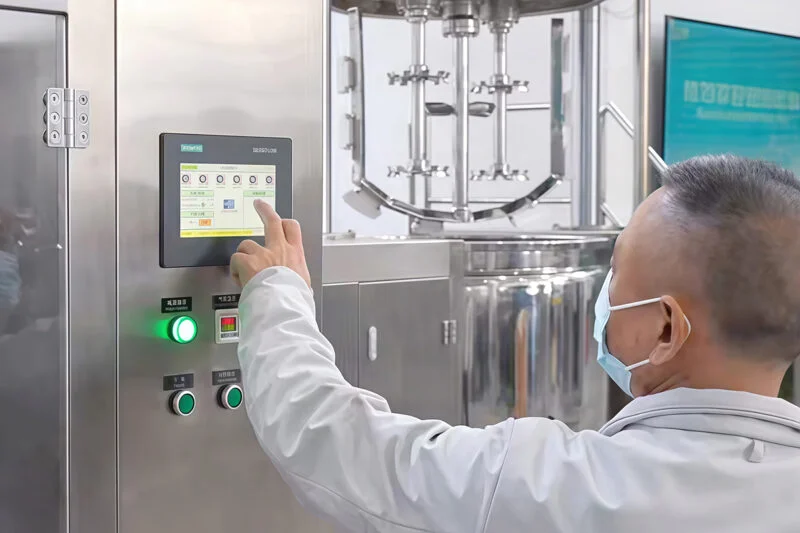
Confirm the stainless-steel grade, surface finish, weld quality, and food-contact documentation for the supplied machine.
Recipe storage and servo positioning may be available in selected controls. Confirm changeover time and setup verification for the actual bottle formats.
Bottle type compatibility varies by machine design. Some systems handle only round bottles. Others work with square, oval, or specialty shapes. Woozy bottles (the classic elongated hot sauce bottle shape) present specific challenges due to their narrow necks.
Presence/orientation sensors and reject systems may reduce misfeeds and waste. Confirm the inspection scope and acceptance criteria.
Sealing, Capping, and Labeling
Sealing Machines
Market-share data should be checked against the cited source. The closure between cap and bottle is a key barrier, but shelf life depends on the entire package and process.
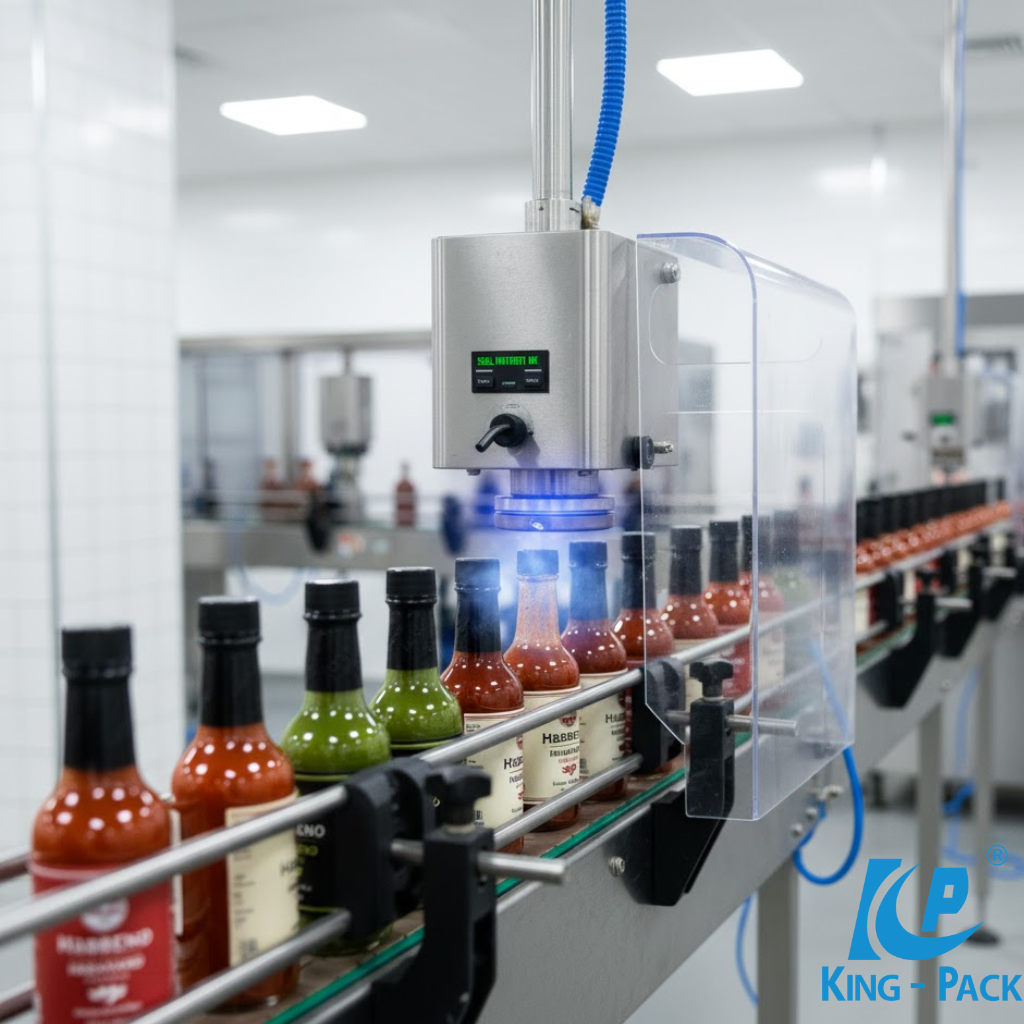
Induction sealing may provide tamper evidence or a closure barrier for compatible packages. Confirm liner, cap, bottle, temperature, and seal-validation requirements.
This seal prevents:
- Oxygen infiltration that oxidizes flavor compounds
- Moisture loss that concentrates the sauce
- Contamination from external sources
- Product leakage during shipping and storage
Integration and seal inspection features depend on the specified line. Confirm whether visual or electronic seal checks are included and validated.
Recommended Reading: How Long Do Sealed Sauce Packets Really Last? Shelf Life, Storage & Safety Tips – KING PACK Machinery
Capping Machines
Cap torque should be set for the cap, bottle, liner, product, and opening requirement. Confirm torque capability and testing method.
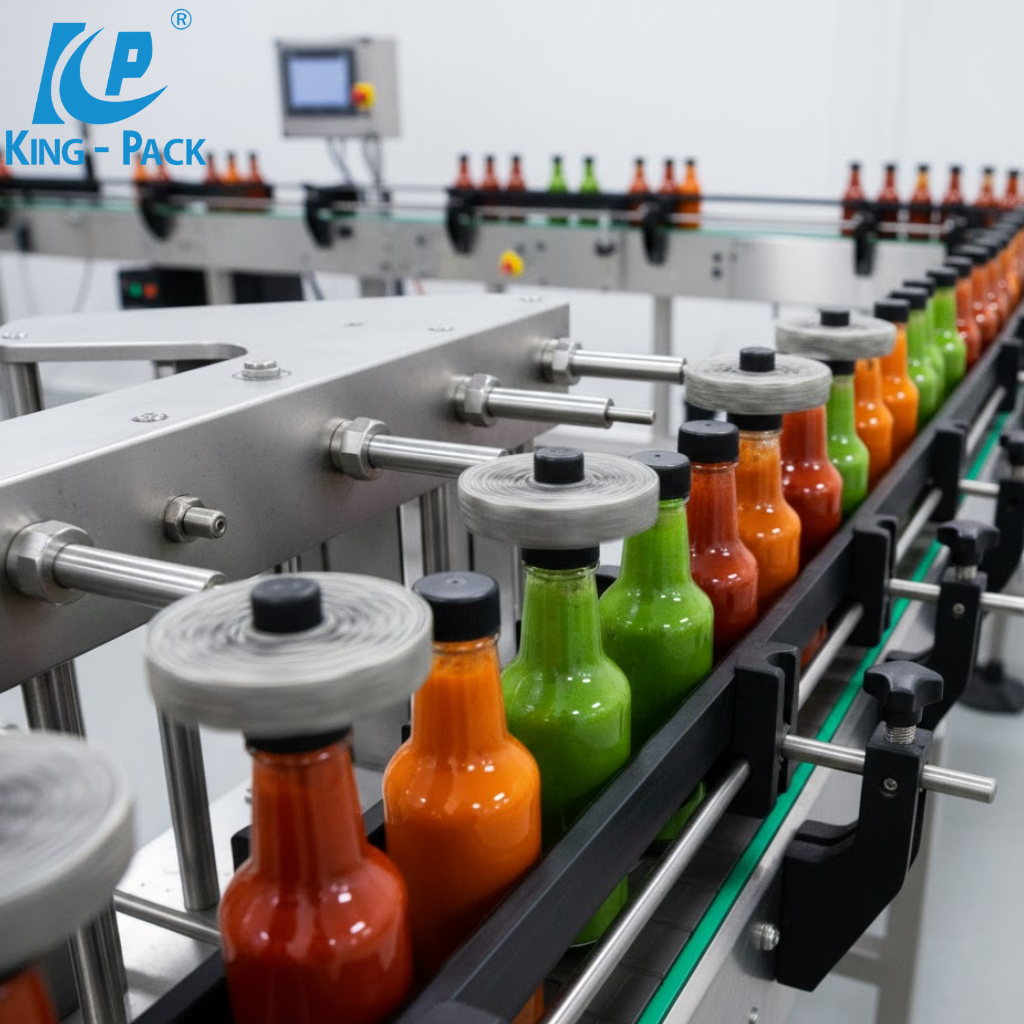
Automatic capping machines include:
- Spindle cappers: Multiple spinning wheels tighten threaded caps
- Chuck cappers: Pneumatic or servo-driven heads grip and rotate caps
- Snap cappers: Apply downward pressure to secure press-on caps
Capping capacity depends on cap type, bottle, line layout, and inspection requirements. Confirm the tested range for the selected configuration.
Semi-automatic systems suit smaller producers. Operators manually place caps on bottles. The machine applies correct torque. This approach works well for production volumes below 20 bottles per minute.
Labeling Machines
Labels communicate brand identity and meet regulatory requirements. Automatic labeling equipment applies pressure-sensitive labels at high speeds with precise positioning.
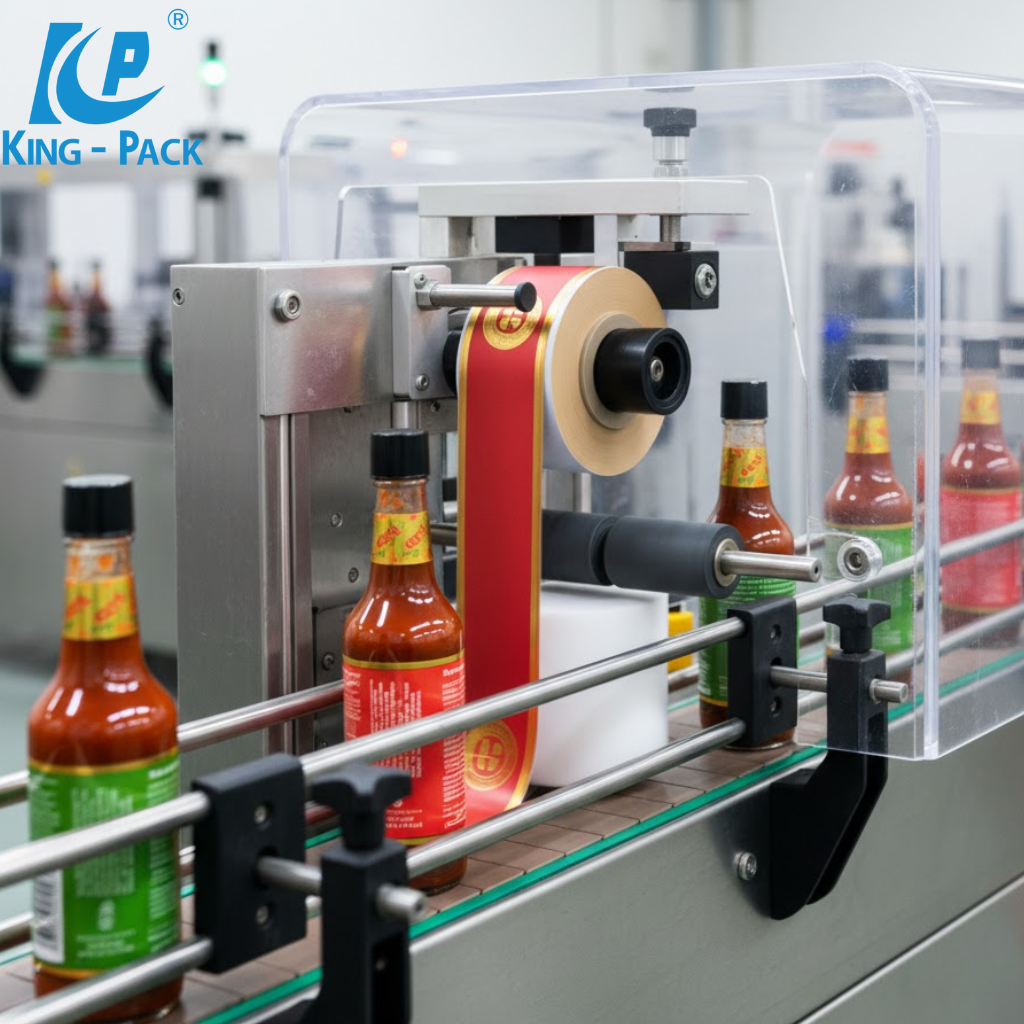
Different label types require different application methods:
- Wrap-around labels: Cover most of the bottle circumference, common for cylindrical bottles
- Front and back labels: Two separate labels for branding and nutrition panels
- Top labels: Applied to cap surface for additional branding
- Tamper-evident labels: Bridge the cap and bottle to show unopened status
Label placement accuracy depends on bottle geometry, label stock, sensor setup, and line speed. Confirm the actual tolerance with representative packages.
Vision inspection verifies label presence, position, and print quality. Defective labels trigger automatic rejection. This prevents mislabeled products from reaching customers.
Packaging Solutions
Cartoning Machines
Individual bottles need secondary packaging for distribution. Cartoning machines automate placing bottles into cardboard boxes. The process includes carton erection, bottle loading, and carton sealing.
Cartoner capacity should be balanced with the filling line and pack format. Confirm the tested rate and changeover requirements.
Benefits include:
- Labor reduction compared to manual boxing
- Consistent pack counts and orientation
- Protection during shipping and storage
- Professional appearance for retail channels
KING PACK provides integrated solutions where cartoning equipment connects directly to filling and capping lines via conveyors. Bottles flow continuously from filling through final packaging without manual handling.
Palletizing Systems
Automated palletizing may reduce repetitive lifting for higher-volume operations, subject to risk assessment, guarding, and the selected pattern.
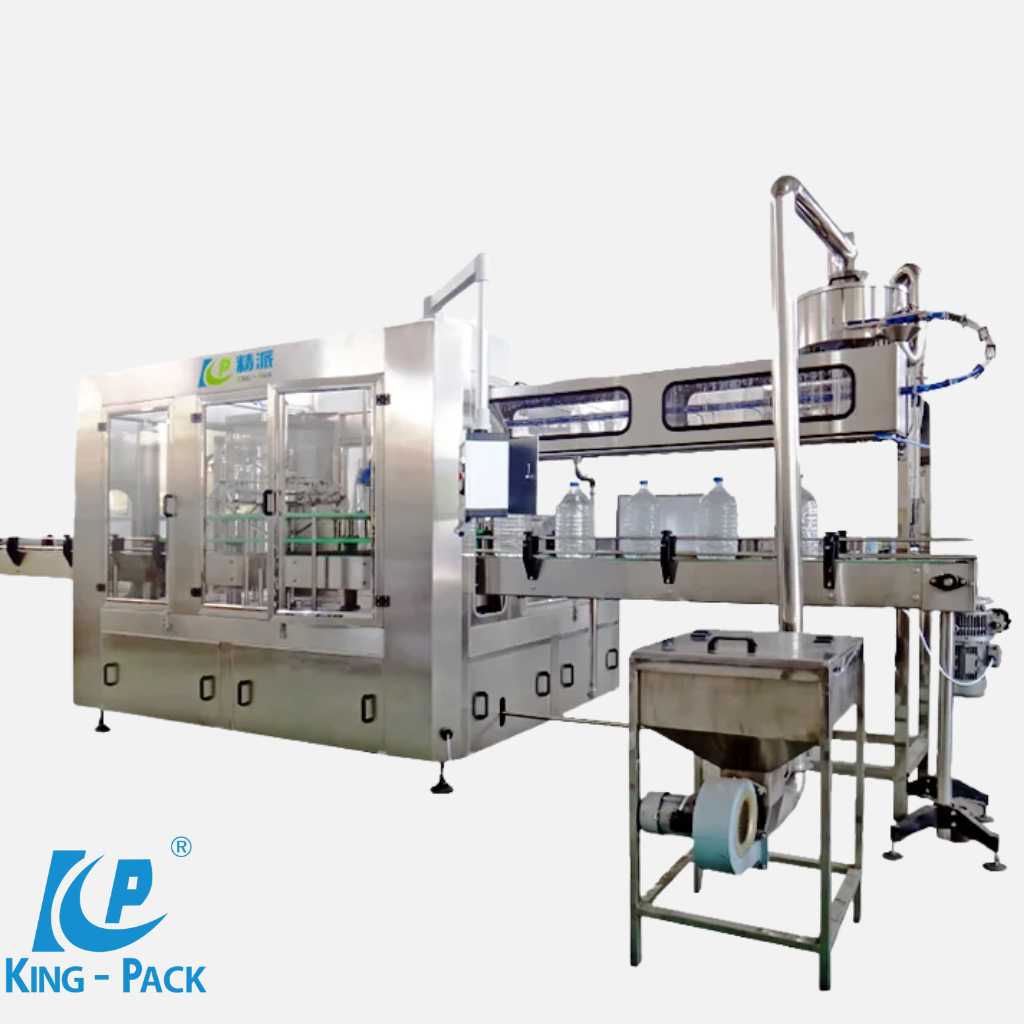
Robotic palletizing can support multiple patterns when programmed and validated for the cartons. Confirm changeover method and end-of-arm tooling.
Conventional palletizers use mechanical systems to position and stack cartons. These systems cost less but require more setup time when changing configurations. For producers running consistent pack sizes, conventional systems deliver excellent ROI.
Key Considerations When Choosing a Bottling Line
Product Viscosity and Consistency
Hot-sauce viscosity varies with formulation, temperature, solids, and shear history. Test the actual product before selecting the pump and nozzle.
| Factor | Details | Impact on Filling |
| Sauce Type | Thin sauces (e.g., Louisiana-style) vs. thick sauces (e.g., Sriracha or chili paste) | Thicker sauces need piston fillers; thin sauces work with gravity or volumetric fillers |
| Viscosity Range | Use a measured viscosity range for the actual product and test method; generic cP ranges are only illustrative. | Determines pump pressure, nozzle size, and fill speed |
| Temperature Influence | Higher temperature reduces viscosity | Temperature control or heated hoppers may help some products, but the need and setpoint must be established through trials. |
| Sample Testing | Sending sauce samples to manufacturer for trials | Helps identify correct filling head and pump configuration |
| Product Separation | Can occur in thick sauces with particulates | Agitator hoppers or recirculation systems keep sauce uniform |
Measure the actual product over its expected temperature and batch range, then use filling trials to select the pump, nozzle, and speed.
Viscosity can change with temperature, time, shear, and solids distribution. Confirm whether agitation, recirculation, or heating is appropriate for the formulation.
Recommended Reading: How an Automatic Tube Filling and Sealing Machine Works – KING PACK Machinery
Container Sizes and Shapes
Standard woozy bottles simplify equipment selection. Custom bottle shapes may require specialized handling systems. Consider how bottle design affects production costs.
| Container Type | Key Features | Production Considerations |
| Standard Woozy Bottles | Common for hot sauce, round shape | Easy to handle, fits standard conveyors |
| Custom Bottles | Unique branding or ergonomic designs | May require custom grippers or bottle holders |
| Narrow-Neck Bottles | Smaller openings | Slower filling speed; nozzle fit is critical |
| Wide-Mouth Bottles | Larger openings | Faster filling but higher splash risk |
| Square/Rectangular Bottles | Distinct brand look | Need anti-rotation guides and special conveyors |
Narrow-neck bottles fill slower than wide-mouth containers. The fill nozzle must fit inside the opening without touching the rim. Smaller openings limit flow rates.
Square or rectangular bottles need different conveying systems than round bottles. Special guides prevent bottles from rotating during transport. These modifications add equipment cost.
Budget and ROI
Initial equipment investment represents only part of total cost. Consider:
- Operating costs: Labor, utilities, maintenance supplies
- Changeover time: How long to switch between products
- Uptime percentage: Reliable equipment runs more hours per day
- Quality consistency: Reducing waste and rework
| Cost Area | Details | Effect on ROI |
| Equipment Investment | Initial purchase cost | One-time but significant; must match production goals |
| Operating Costs | Labor, electricity, compressed air, maintenance | Ongoing costs; automation reduces long-term spend |
| Changeover Time | Time needed to switch between products or sizes | Long changeovers reduce uptime; modular setups save time |
| Uptime & Reliability | Hours equipment runs per day without failure | High uptime = faster ROI and consistent output |
| Product Quality & Waste | Consistent fill accuracy, fewer rejects | Less rework and material loss improve profitability |
A higher-priced machine may have a different labor or uptime profile, but payback must be calculated from the customer’s own quotation, output, labor, downtime, rejects, and maintenance data.
Automation Level
Manual filling works for artisanal producers making a few hundred bottles weekly. One operator fills, caps, and labels by hand. Equipment costs stay minimal but production capacity is limited.
| System Type | Description | Typical Output | Investment Level | Best For |
| Manual | Hand-filling, capping, and labeling | A few hundred bottles per week | Low | Small-batch or artisanal producers |
| Semi-Automatic | Machines handle fill and cap; operator loads/unloads bottles | Indicative daily output; confirm the tested range for the selected format and staffing model. | Moderate | Growing businesses scaling up |
| Fully Automatic | Bottles are fed, filled, capped, labeled, and packed automatically | Indicative output only; confirm the complete line rate, changeover, and quality-control limits. | High | Large-scale production lines |
Semi-automatic systems may balance operator involvement and throughput for growing producers. Confirm the actual rate and staffing requirement.
Fully automatic lines can reduce manual handling, but the achievable output, labor effect, and validation scope depend on the complete configuration.
Why Choose KING PACK for Your Bottling Needs
Expertise in Hot Sauce Production
KING PACK can review sauce viscosity, particle load, bottles, caps, target output, cleaning, and integration requirements when specifying equipment.
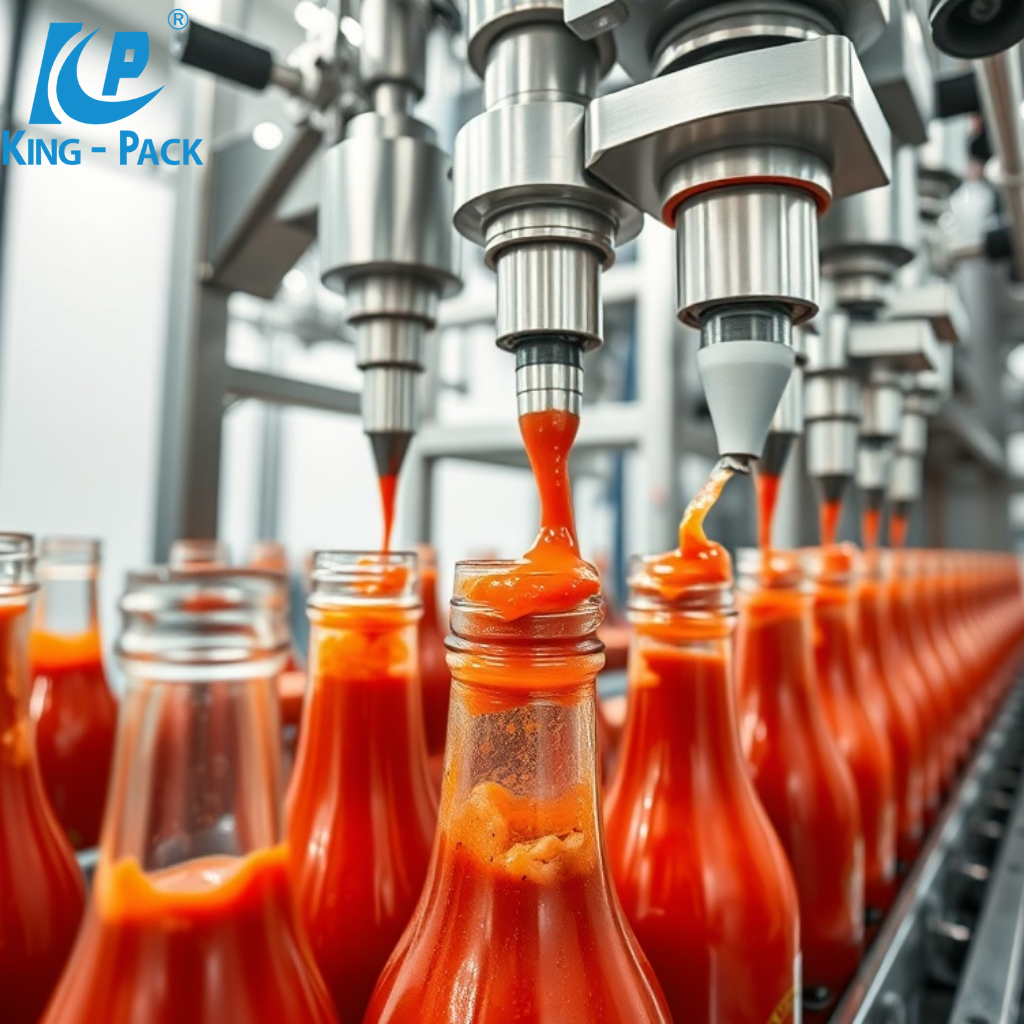
Startup and performance depend on product trials, commissioning, operator training, and the agreed acceptance criteria.
Customizable Equipment
Automatic or high-viscosity configurations can be tailored to selected products and packages. Confirm the required pumps, nozzles, controls, and cleaning method.
Customization options include:
- Filling volume ranges suited to your product line
- Bottle handling systems compatible with specific container shapes
- Integration with existing PLC Control Systems or other equipment
- Sanitary stainless hopper construction that meets hygiene standards
- Compact layout for optimal use of floor space
Piston or diaphragm pumps, flow meters, monoblock layouts, hot-fill, or gravity feed may be suitable in different cases. Select the method using product trials and food-safety requirements.
Recommended Reading: The Importance of Tube Filling Machine and Tube Sealing – KING PACK Machinery
After-Sales Support
Once equipment is installed, support continues. KING PACK provides training for operators and maintenance teams, covering correct use, preventive maintenance, and troubleshooting.
Remote support may be available according to the service agreement. Confirm response times, scope, and any on-site service terms.
Spare-parts availability and shipping times depend on the service agreement and stock plan. Confirm critical spares for the selected line.
Conclusion & Call to Action
Regional demand statistics are directional and should be verified from the cited source. Production planning should use the customer’s own sales forecast and package mix.
Success in this market requires more than great recipes. Production efficiency determines profitability. Your bottling line either supports growth or constrains it. Choose equipment that scales with your business.
KING PACK can discuss volumetric or piston filling, capping, labeling, and line integration for selected sauce formats. Final performance must be verified with the actual product and package.
Equipment selection depends on your specific situation. Batch sizes, product characteristics, bottle formats, and budget all factor into the decision. Generic solutions rarely optimize for your unique needs.
Request a project-specific review covering product samples, viscosity, particles, bottles, caps, target rate, cleaning, validation, installation, and training scope.