

Vial filling performance depends on more than the nominal machine speed. Dosing stability, container handling, product supply, stoppering, capping, rejects, changeovers and downstream bottlenecks all affect the number of acceptable vials produced from each batch.
This guide explains how to improve filling accuracy, product yield and line efficiency. For machine configurations, see the KING PACK vial filling machine range. For project scope and acceptance planning, use our vial filling line URS and FAT guide.
Vial Filling Performance Metrics to Track
| Metric | What it reveals |
|---|---|
| Fill-weight or fill-volume variation | Dosing consistency across samples, time and filling heads |
| Product yield | How much usable product becomes accepted filled vials |
| Reject rate | Losses from fill, stopper, cap, container or inspection failures |
| Net line output | Accepted vials produced during actual operating time |
| Downtime by cause | Where stoppages occur and which problems repeat |
| Changeover and cleaning time | Availability lost between products or vial formats |
1. Match the Dosing System to the Product
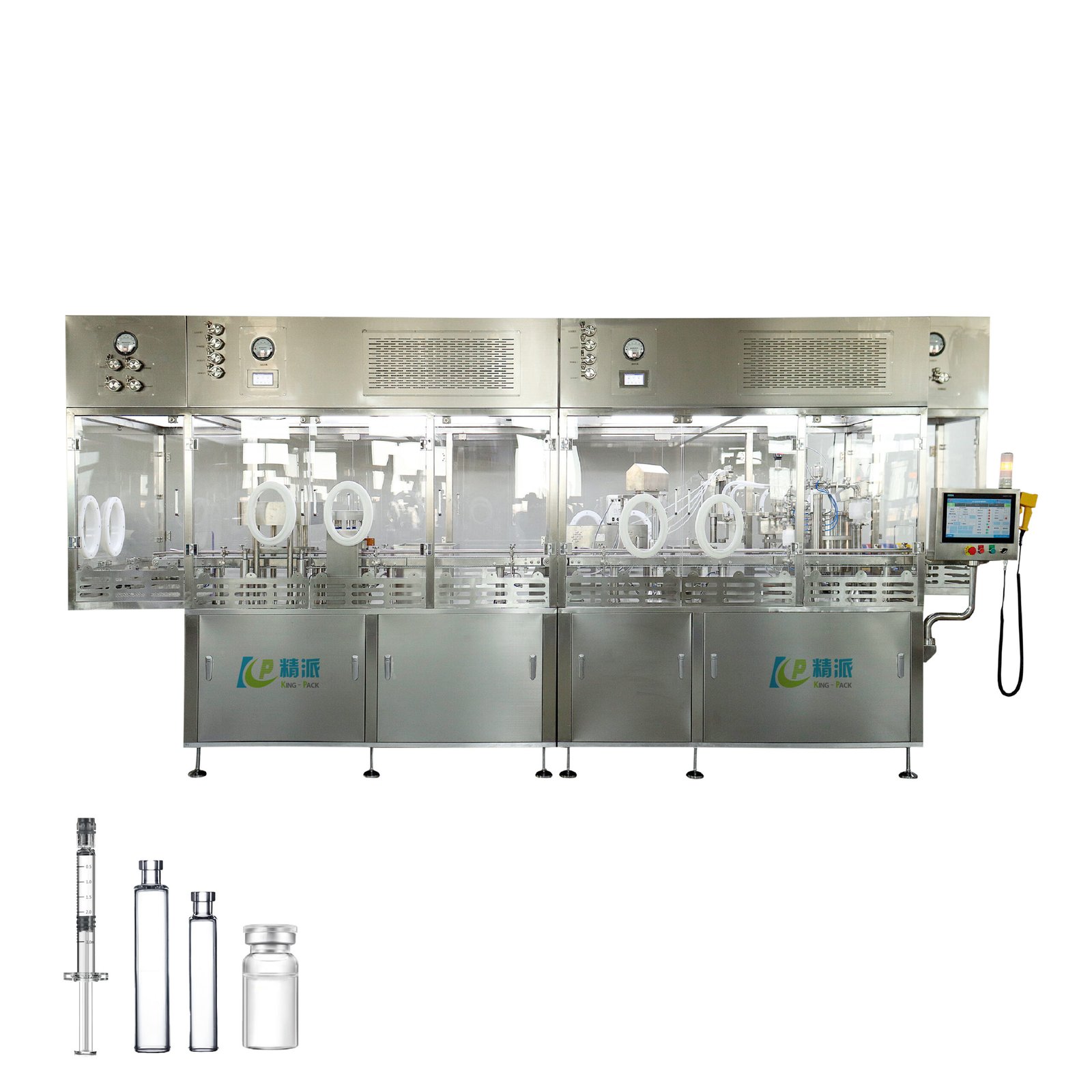
Peristaltic, piston, ceramic-pump and time-pressure filling systems behave differently. Selection should consider viscosity, dose range, sensitivity, acceptable product loss, cleaning and the size of the vial opening. A dosing method that performs well with one product may be unstable with another.
During testing, compare repeated samples at the minimum, normal and maximum fill settings. Review each filling head separately so one unstable channel is not hidden by the overall average.
2. Stabilize Product Supply Conditions
Changes in product level, temperature, viscosity, pressure or entrained air can change the delivered dose. The supply tank, transfer method and filler should be treated as one system. Define the acceptable product condition at the filling inlet and monitor it during the batch.
- Keep the product supply method consistent throughout the run.
- Prevent air from entering the product path.
- Control temperature when viscosity changes with temperature.
- Check tubing, valves and seals for restrictions, wear or leakage.
3. Improve Vial Positioning and Nozzle Control
Even accurate dosing can create rejects if the vial is not centered below the nozzle. Guide rails, star wheels, sensors and timing must match the actual vial dimensions. Nozzle height, entry depth and withdrawal timing should reduce splashing, foaming and product on the vial neck.
Drips after filling increase product loss and contaminate the closure area. Review shut-off timing, nozzle condition, product properties and the need for suck-back or other drip-control functions.
4. Coordinate Filling, Stoppering and Capping
A filled vial is not an accepted vial until closure operations are complete. Stopper feeding, insertion depth, cap orientation and crimping or closure application must be synchronized with the filler. Track closure-related rejects separately from dosing rejects so the root cause is clear.
5. Balance the Complete Vial Line
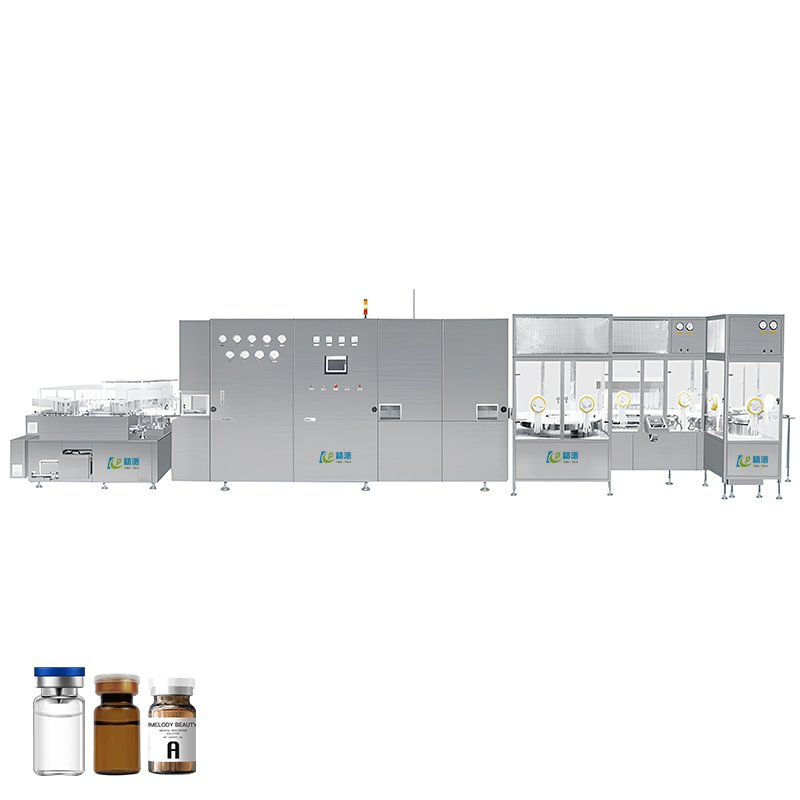
The slowest or least stable station controls the real output. Observe accumulation and starvation between washing, drying, filling, stoppering, capping, inspection and labelling. Appropriate buffers and coordinated speed control help prevent a short stop at one machine from stopping the whole line.
Measure net accepted output over a realistic production window. Short demonstrations at maximum speed do not show cleaning, replenishment, rejects or repeated micro-stops.
6. Control Changeovers and Recipes
Document each format part, mechanical setting and recipe parameter. Use a changeover checklist and verify the first acceptable containers before full production resumes. Clear identification and storage of change parts reduce setup errors and time spent searching for components.
How to Verify Accuracy and Efficiency
- Agree on the test product or a justified substitute.
- Define the vial format, filling range and operating conditions.
- Specify sample size, sampling frequency and measurement method.
- Record results by filling head and over time.
- Separate dosing, container, closure and inspection rejects.
- Include planned stops and changeovers in the efficiency review.
- Document deviations and corrective actions before acceptance.
Common Problems and Corrective Checks
| Problem | Checks to perform |
|---|---|
| Fill quantity drifts during the batch | Product level, temperature, pressure, viscosity, air and pump condition |
| One filling head is inconsistent | Tubing, valve, seal, pump calibration, nozzle restriction and timing |
| Product appears on the vial neck | Vial centering, nozzle height, fill speed, withdrawal timing and drip control |
| Frequent stopper or cap rejects | Closure quality, feeder setup, orientation, insertion/application force and sensors |
| Line stops despite available capacity | Station balance, buffers, sensor logic, replenishment and repeated micro-stops |
| Long changeovers | Change-parts organization, settings, recipe control, tools and verification steps |
When to Adjust, Upgrade or Replace Equipment
Adjustment is appropriate when performance loss comes from settings, maintenance, product supply or changeover control. An upgrade may help when inspection, automation, dosing or buffering is the constraint. Replacement or a new line becomes relevant when the required product, container, environment or output is outside the machine’s design range.
Improve a Vial Filling Process
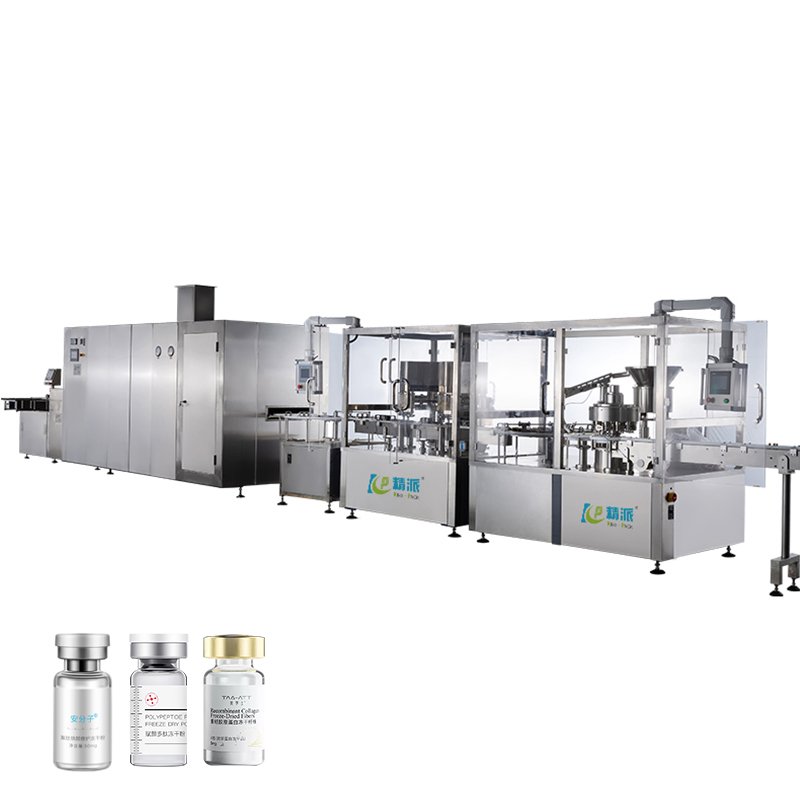
For a new machine or line, review the KING PACK vial filling equipment options. For an existing line, send the product, vial format, current output, reject data and the main performance problem.
Contact the KING PACK project team to discuss dosing tests, equipment configuration or line integration.