 Skip to content
Tube Filling Machines for Toothpaste, Cosmetics & Pharmaceuticals
Tube Filling Machine automatically fill and seal toothpaste, gels, creams, pastes, ointments, adhesives, food, and more into plastic, laminated, metal, as well as aluminum tubes. Excellent 80 tubes a minute in real production!
Reliable and precise filler technology provides flawless tube filling at high speeds. Human-friendly and durable, it performs excellent for multi-type tube filling and ultrasonic sealing. Modify filling speed and volume with versatile control system. Clean, GMP-compliant, low-maintenance machine. Automated machines can readily be upgraded as your company grows and new technologies become available. What are the types of tube sealing techniques? We have a solution for this as well!!
Tube Filling Machine Series
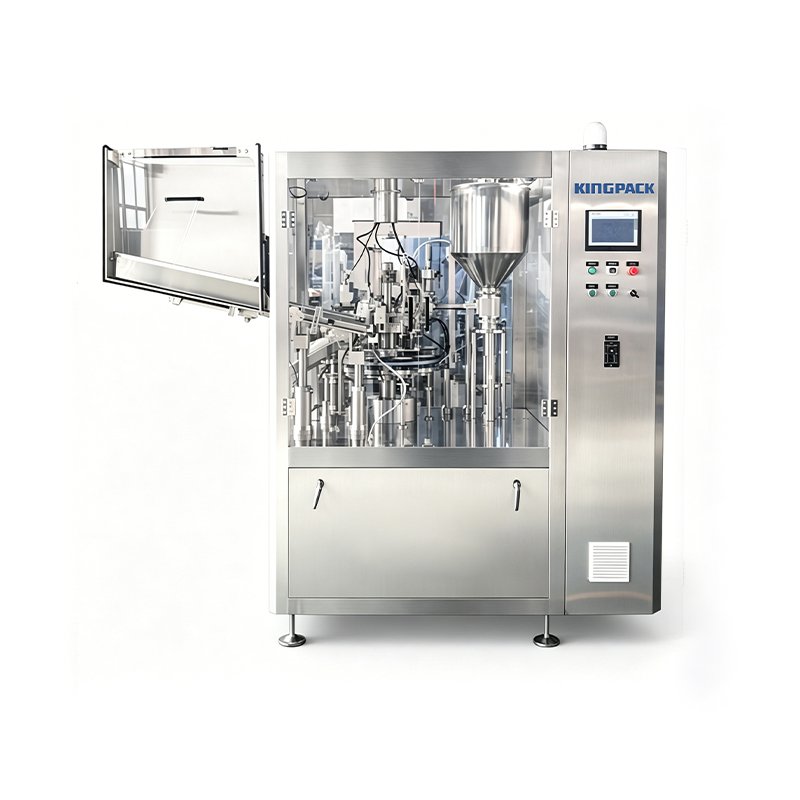

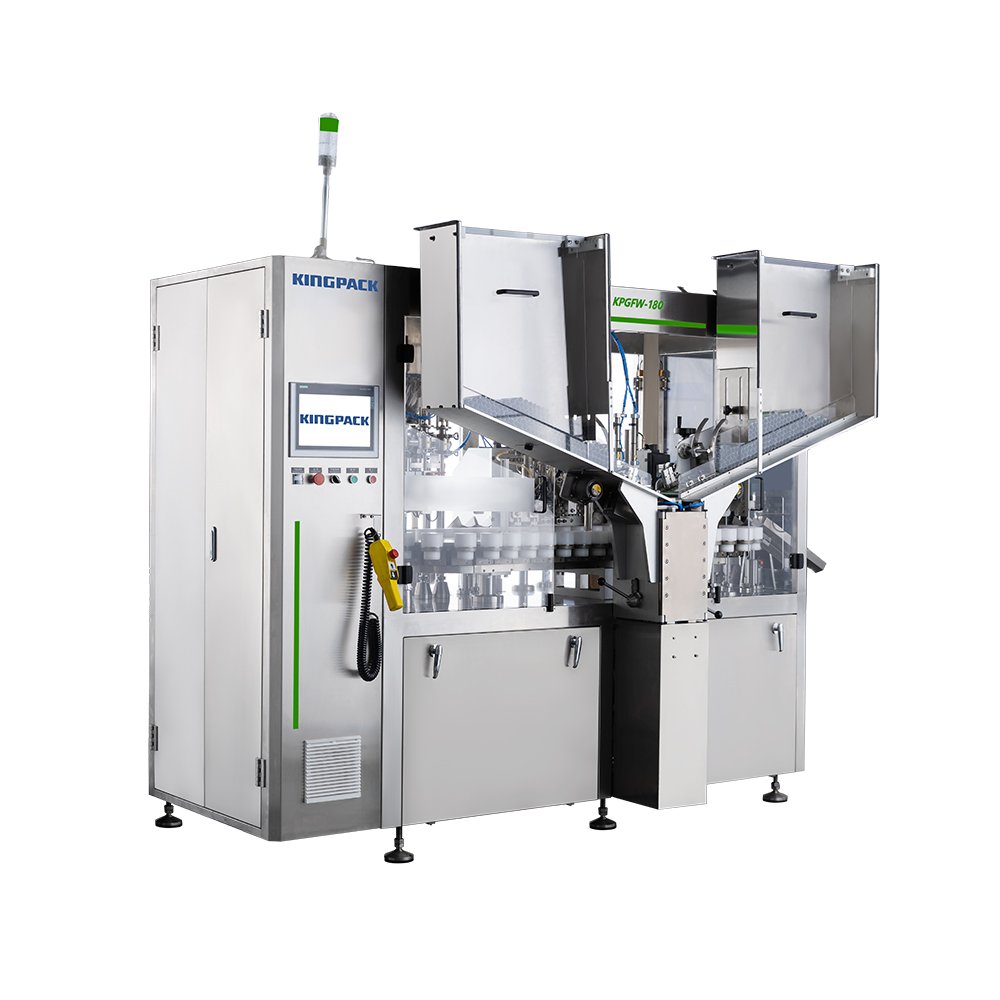


Tube Filling and Sealing Machine Advantages
Easy to Operate
simple tube-filling software makes it straight forward to use.Operation status is alsographical; Easy to view.
Adaptable
Quick changeover allows easy filling of several products. Applicable to cosmetics, pharmaceuticals, food, and more.
Reliable & Economical
It is fast, accurate, efficient, andmakes low to no waste whileincreasing profitability andbeing cost-effective.
Customize
Customize to handle tubes withvarious shapes, sizes,capacities; Easily fill viscousand non-viscous products.
Automatic Tube Filling and Sealing Machine Highlight Features
Accuracy of volume filling of up to <±1%
Electronic, data-saving process and parameter control for tube sealing.
Hot-air sealing technique.
Coding on both sides, with a selection of fonts.
Maximum hourly output of 2400 tubes.
Compatible with all laminated and plastic tubes.
Top-grade stainless steel (AISI 304) is used when fabricating the filling and sealing machine.
All product contact parts are constructed of the finest AISI 316 stainless steel.
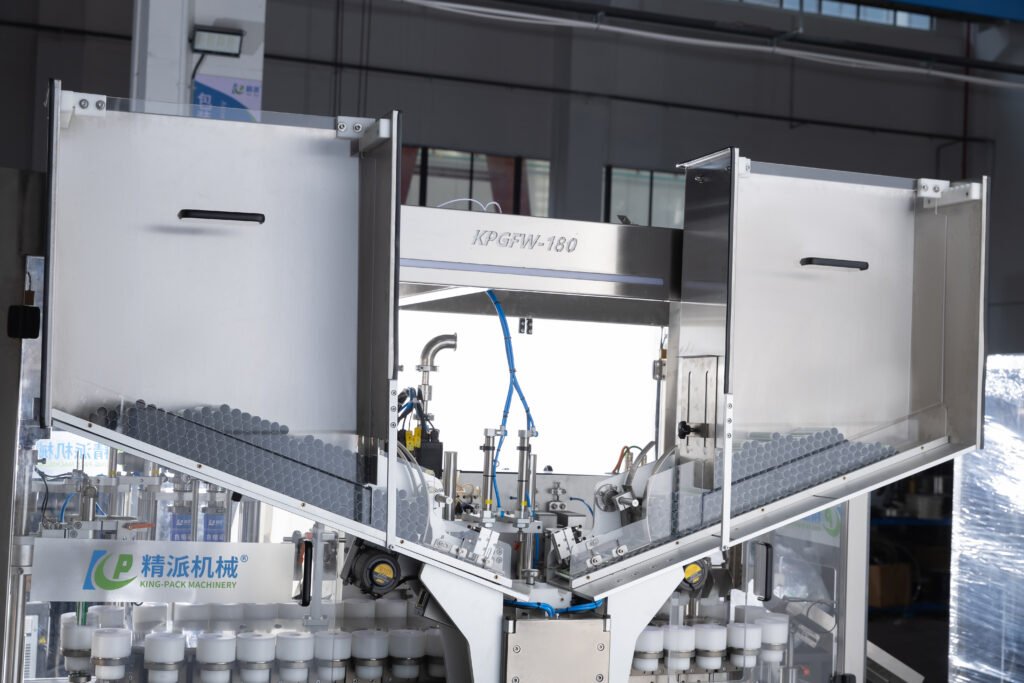
Tube Filler Operation
How does an automatic tube filling and sealing machine work? For tube filling and sealing, at filling station, this advanced tube filler has a rotating plate that can fit tubes. The process of filling starts at the first station and then moves to the other stations. Before the tube moves on to the next part of the lotion cream filling process, where the product is coded, it gets two folds. As soon as the tube is full, it comes out of the machine. This results in completed filled tubes.
Equipment of Automatic Tube Sealing Machine
With its excellent seal, this machine leaves no product trapped at the tube edges. Fill and seal food, cosmetics and medications as well. It also has a protective system against overloading, separation of phases, and power failure.
Automated Tube Filler Advanced Technologies
PLC touchscreen controller by Mitsubishi Electric
Servomechanism powered by Mitsubishi Electric
SMC, Festo, Camozzi, and MetalWork pneumatic component
Reservoir level sensor for automated filling
Auto-temperature air heater
Productivity counter
Tube sealing machine tester
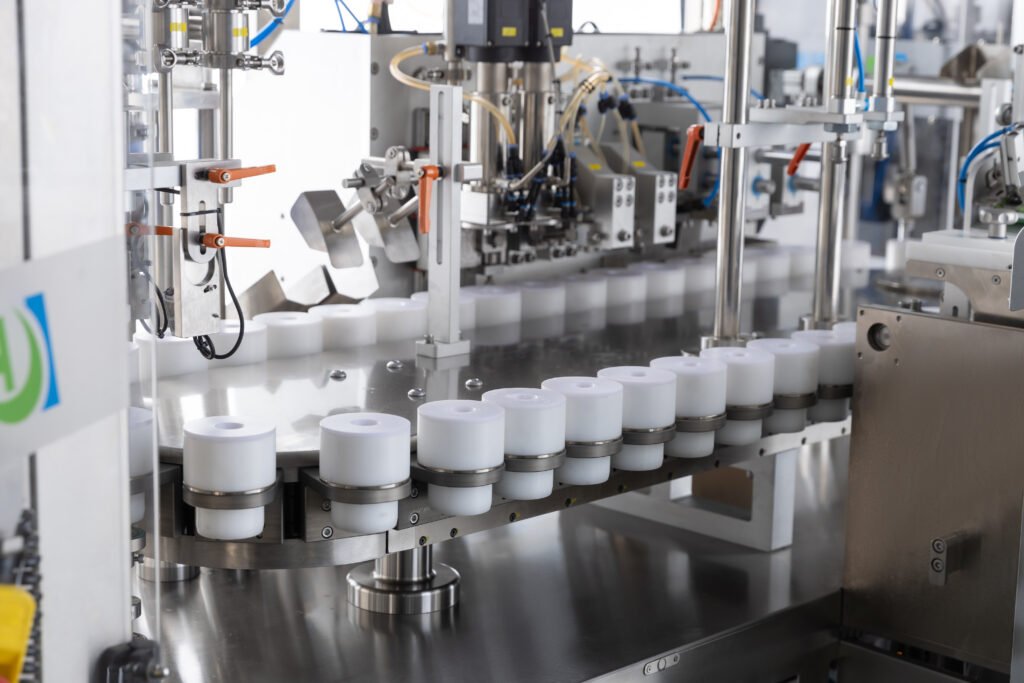
Tube Filling and Sealing Machine Components
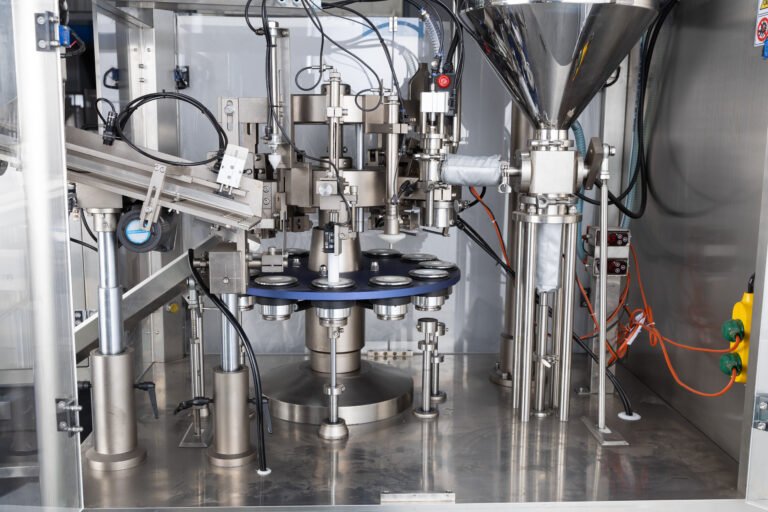
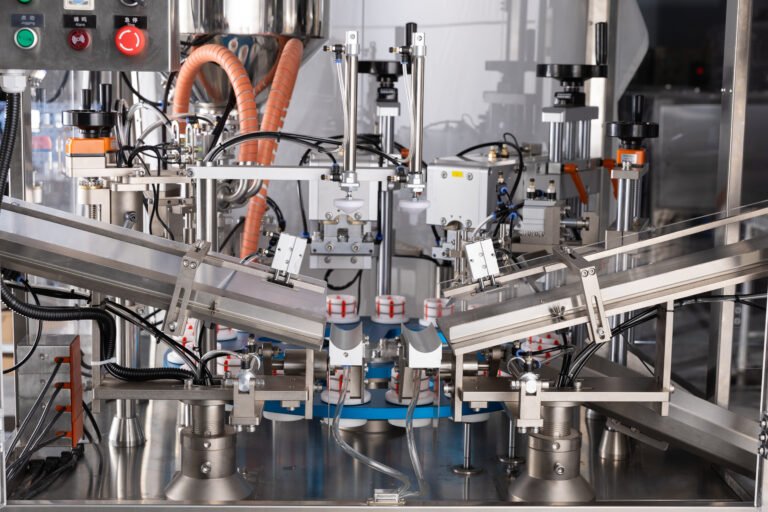
What is tube filling sealing machine?
The tube filling and sealing machine automatically fills and seals tubes. Because of its versatility, it can seal a wide variety of plastic and laminated tubes. Ultrasonic Technology Vs. Heat Sealing? This machine can fulfill several functions for either of the two thanks to its complete automation.
What is the use of a tube filling?
Tube Filler Machine Advantages
Supports and holds all other machine parts. It is strong and resistant to corrosion, harsh weather, and physical damage. The frame acts as the backbone of the tube filling machine.
Stores the filling products. Its raised design makes tube filling easier. Tank size and quantity depend on the machine model and production capacity. Tanks can be customized to meet industrial standards. Stainless steel tanks are preferred because they are corrosion-resistant and perform well under different temperatures.
Controls the flow of product into the tubes. Tri-clover connections link the nozzle to the product supply system. It works with both standard and low-surface-tension liquids. Large nozzles are suitable for high-volume filling, while smaller nozzles help reduce leakage and waste.
Simplify machine setup and improve tube sealing and finishing quality. They are adjustable and suitable for tubes with different thicknesses and hardness levels while securely holding the material components.
Accurately pumps products into tubes and maintains a stable product flow during operation. Measured substances enter the chamber and are injected into the dosing tank. The machine can be controlled through an external control system or an internal pump controller. This component is electrically powered.
Contains preset parameters and regulates machine speed and output quantity. Touch-screen systems allow operators to manage automated production processes efficiently. Proper control ensures high-quality production.
Transfers product from the tank into the tubes. It controls product output and ensures accurate filling. The unit is adjustable and works efficiently even when filling quantities vary.
Holds the tubes during operation. The number of tubes it can hold depends on each production cycle. It rotates quickly to match the filling speed. Automatic tube holders are easy to use and securely hold the tubes in place during filling.
A funnel-shaped component used to transfer products into the machine. Its size depends on the machine type and it is usually located at the top. It helps feed materials smoothly into the system.
Centralizes the machine’s electronic control system. It typically includes the machine circuit air switch, VFD relay board, transformer and drive system, and solenoid valve.
Converts electrical energy into mechanical energy to power the machine. Motor capacity depends on the machine load size. Heavy-duty machines require more powerful motors.
Includes all safety-related components. It protects operators during emergencies and prevents situations that could damage the equipment. Machine control is usually managed through safety buttons and switches.
More Features For You
1. Safe, dependable, and pollution-free mechanical transmission is under the platform.
2. The filling and sealing part sits above the platform, and the semi-closed static-free outer frame transparent cover is easy to see, operate, and maintain.
3. Stainless steel operating panel, organic glass cover, and door protection hanging.
4. The oblique hanging tube storage holds more hoses.
5. Top tube vacuum adsorption. After the upper tube interacts with the pressure tube device, the hose goes into the upper tube station.
6. High-precision probes, stepper motors, and control hose patterns place the photoelectric alignment place.
7. Anti-drawing, anti-drip filling without tube and filling.
8. The tail sealing uses internal tube tail heating and an external cooling and cooling system.
9. Automatic imprint of the batch number or date at the process-required place while sealing tails.
10. Water pressure, air pressure, overload shutdown, fault protection.
11. Waste-cutting manipulators cut the waste edge of hose tails, right-angle, R-angle, arc, and other special-shaped seals.
Benefits
✓ Improved Production Effectiveness
The tube filling line makes it easy for companies to quickly fill creams and lotions in tubes. With its speed and accuracy, it speeds up production and makes it more efficient.
✓ Consistent and Dependable
When the tubes are filled by hand, the amount that goes in can vary. But our machine for filling lotions is very consistent and reliable when it comes to filling.
✓ Lower Labor Costs
The use of human labor to fill tubes might increase production costs and demand a large workforce. On the other hand, using a cream filling machine eliminates the need for such labor-intensive techniques, making it a more cost-effective choice.
✓ Product Wastage Reduction
A tube filling machine provides precise filling, resulting in less wasted product.
Tube Filling and Sealing Machine Main Applications

Pharmaceutical Industry
Pharmaceutical tube filling machine fills various medications in tubes or containers. This industrial tube filling and sealing machine for pharmaceutical products streamlines pharmaceutical product manufacturing. It fills, seals, and sorts items while packaging. Because of this, almost every pharmaceutical manufacturer has or uses this equipment to fill ointments, creams, and syrups.

Food Processing
This food filler is also widely used in this sector. Most food processors that pack goods use this to fill, seal, and pack paste sachets. its adaptability makes it easier to get the best results. Auto fill and seal food such as ketchup, mayo, mustard, sauce, honey, cheese, butter, gums, pastes, energy drinks, gels, chocolate, etc.

Cosmetic Industry
This automatic tube filling and sealing machine for cosmetic cream is one of the top industries that use tube fillers. Cosmetic manufacturing requires specialized cosmetic tube filling machine. This industry fills, seals, labels, and packs tubes using this equipment. It handles shampoo, liquid soap, creams, ointments, and body and hair lotions. Because the sector is popular, you need an efficient, convenient, and fast machine.
FAQs of Tube Filling Machine
Find answers to common questions about tube filling machine supply quality control and order processes.
Compare automated vs manual tube filling:
Speed and productivity
Accuracy of filling
Labor costs
Packaging consistency
The three most commonly used types of tube filling machines are:
1. The Fully Automatic Tube Filling Machine, which is an excellent choice for high-
volume manufacturing;
2. The Semi-automatic Tube Filling Machine, which is best suited for small-scalemanufacturing and is the most cost-effective option;
3. The Rotary Tube Filling Machine, which is a sort of machine that is available in bothfully and semi-automatic configurations, making it simple for companies to choosethe exact approach that best meets their production requirements.
The tube filler is designed to fill and seal semi-solid product tubes made of plastic, aluminum, and laminate.
This machine automatically fills laminate, aluminum, or plastic tubes with products like ketchup, gel, ointment and seals the bottom using a heat sealer or crimper. The tube feeder receives tubes manually. A single transfer crank will flip a tube upright on the holder. The indexing mechanism indexes the tube to the transfer port where the pusher will transport semi-solid materials to the pump delivery of the filling machine. The sealed design requires vacuum or sanitary pumping delivery of semi-solid materials into the tube. It fills the tube to a controllable volume. Heat sealer or laminate crimper seals the bottom of the filler tube at the seat station. The transport arm transfers the sealed tubes from the machine discharge.
Critical Process Parameters (CPP)
The system must allow for the configuration of oil CPPs. Parameter values, such as conducted, may be defaulted to the parameter to reduce data repetition. Also give are initial and default CPP values. The system will monitor continuously with digital display, audio alarms, and HM alarm messages.
Production Capacity
The Tube Filling Machine is expected to achieve the following filling weights and speeds. Different models provide filling rates from 30 to 60 tubes per minute.
Critical Quality Attributes (CQA)
Critical quality attributes unique to the system must be met at all times by the tube filler.
Tube Feeding
Convenient essential loading into the magazine and automatic tube feeding into the dosing station is essential for the tube filler. A vertical position at the dosing station is necessary for the supplying tubes. The tubes open bottom is up.
Tube Dosing
Flexible air blow or vacuum dust application must clean the tube inside. The cleaning station’s pressurized air duct operates with a terminal filter.
The filling machine’s vacuum or sanitary pump will transfer products from a movable container or tank to the heated hopper with minimal product left in the temperature.
A jacketed hopper equipped with a scraper will maintain product uniformly and temperature.
Modify the central dosage volume using the adjuster. The operational terminal adjusts dosage amount and speed.
The dosing system will immediately notify the user if a tube is missing.
Tube Sealing
Tube closure devices must seal aluminum and laminate tubes for regular, double, and saddle folds.
Thermoseal with high-frequency heated jaws and hot air seal plastic tubing. Designer set customization.
This terminal will allow for outer tube encoding.
King Pack is a well-known manufacturer of tube filling and sealing machines in China, developing excellent relationships with more than 100 clients globally. King Pack offers an excellent model and a variety of modifications of tube filling and sealing machines to successfully fulfill the needs of clients’ businesses and projects effectively.
King Pack supports OEM/ODM tube filling and sealing machine services. Therefore, the machine’s dimensions, widths, lengths, ranges, structural design, power tolerance, speed, and volume are highly customizable, designed to meet the clients’ specific needs.
King Pack Tube Filling and Sealing Machine
How Our Automatic Tube Filling and Sealing Machine Meets Your Tube Packaging Needs
Our tube filling and sealing machines fill and seal polyethylene and laminated tubes. These machines can handle different products in tubes such as:
Toothpaste
Shampoo
Ointment
Cream
Gel
Adhesives, sauces, and grease
Tube filling and sealing machines are used to pack substances with varying flow and viscosity properties. The machines are built to GMP standards and are perfectly suited for filling and sealing aluminum and laminated tubes.
The Different Types of Tubes for Tube Filling and Sealing Machines
During the filling and sealing operation, the machine utilizes parameters optimized for the specific tube type and product being filled. Supported tube types include:
Plastic co-extruded tubes
Laminated tubes
Metal collapsible tubes
Aluminum tubes
The tube filling and sealing machine works fully automatically to load, fill, seal, label dates, and discharge finished tubes seamlessly.
The Advantages of Using a King Pack Tube Filling and Sealing Machine
Increased Manufacturing Productivity: The tube filling lines enable companies to process products rapidly. Due to its high speed and precision, it significantly improves manufacturing efficiency.
Strategic Cost Reduction: Operating an automated tube filling and sealing machine minimizes unnecessary manual labor expenditures, offering a cost-saving production solution.
Enhanced Consistency and Reliability: The filling machinery delivers exceptional uniformity and dependability throughout the entire production cycle.
Minimized Product Waste: Highly effective and precise dosing systems drastically reduce raw material waste and overfills.
Tube Filling and Sealing Machine Operation
The tube filling machine operates in a fully automated manner. At the starting station, tubes are securely mounted onto a circular index plate. Following precise volumetric filling, the tubes advance to the next stage for tail sealing or folding (depending on material). Once sealed, they proceed directly to the coding station for batch embossing before being cleanly discharged as finished, retail-ready products.
Tube Filling and Sealing Machine Process
Plastic Tube Filling and Sealing Machine dispenses cream, gel, and ointment into aluminum and plastic tubes; these tubes are then sealed with a sealing device.
Starting by manually feeding tubes into the tube feeder, then a single chute transfers tubes and turns the bottom up.
From there, rotation wheels move the tubes to the dosing station, while a mobile vessel will transfer the semi-fluid product to the filling machine. A vacuum or sanitary pump will supply the filling machine with semi-fluid products to fill the tube using adjustable volume, then travel to the sealing station. Finally, the sealed tube moves onward.
The tube filling and sealing machine works fully automatically. Discharge hoses automatically, fill, seal, label dates, and run other functions.
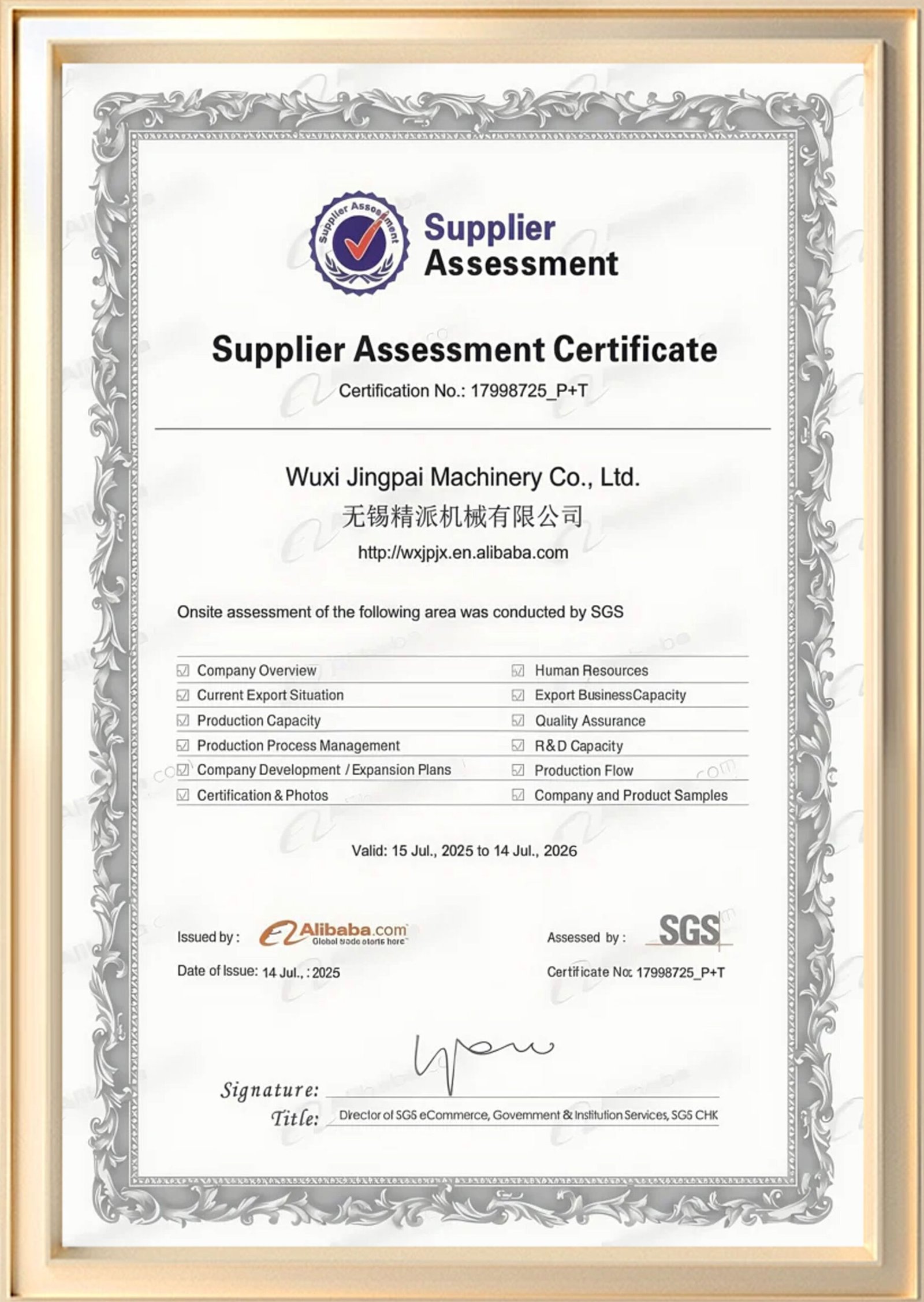
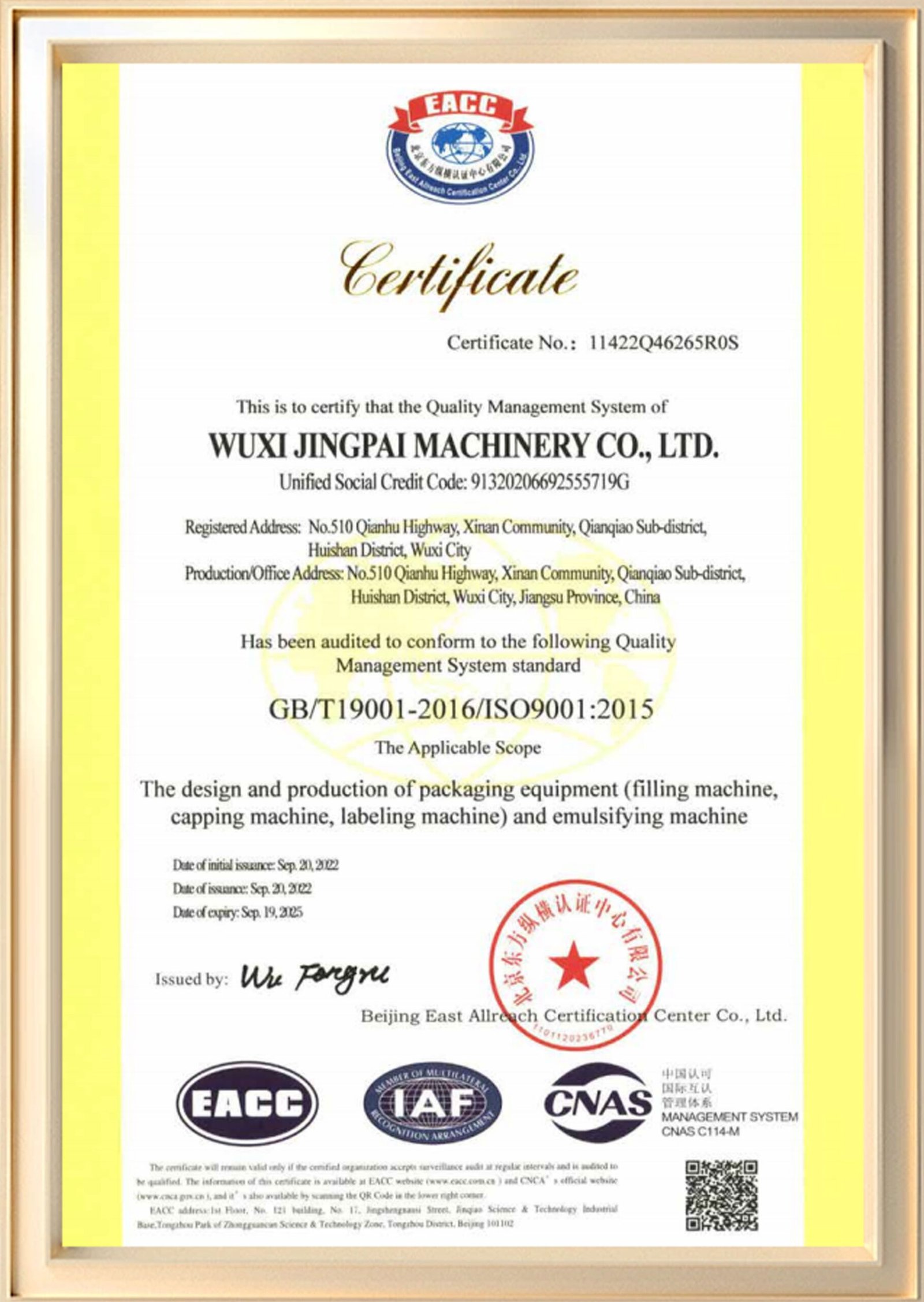
Quality Inspection
In addition to a strict internal quolity control system our filling machine is tested and certified by reputable third -party inspection agencies


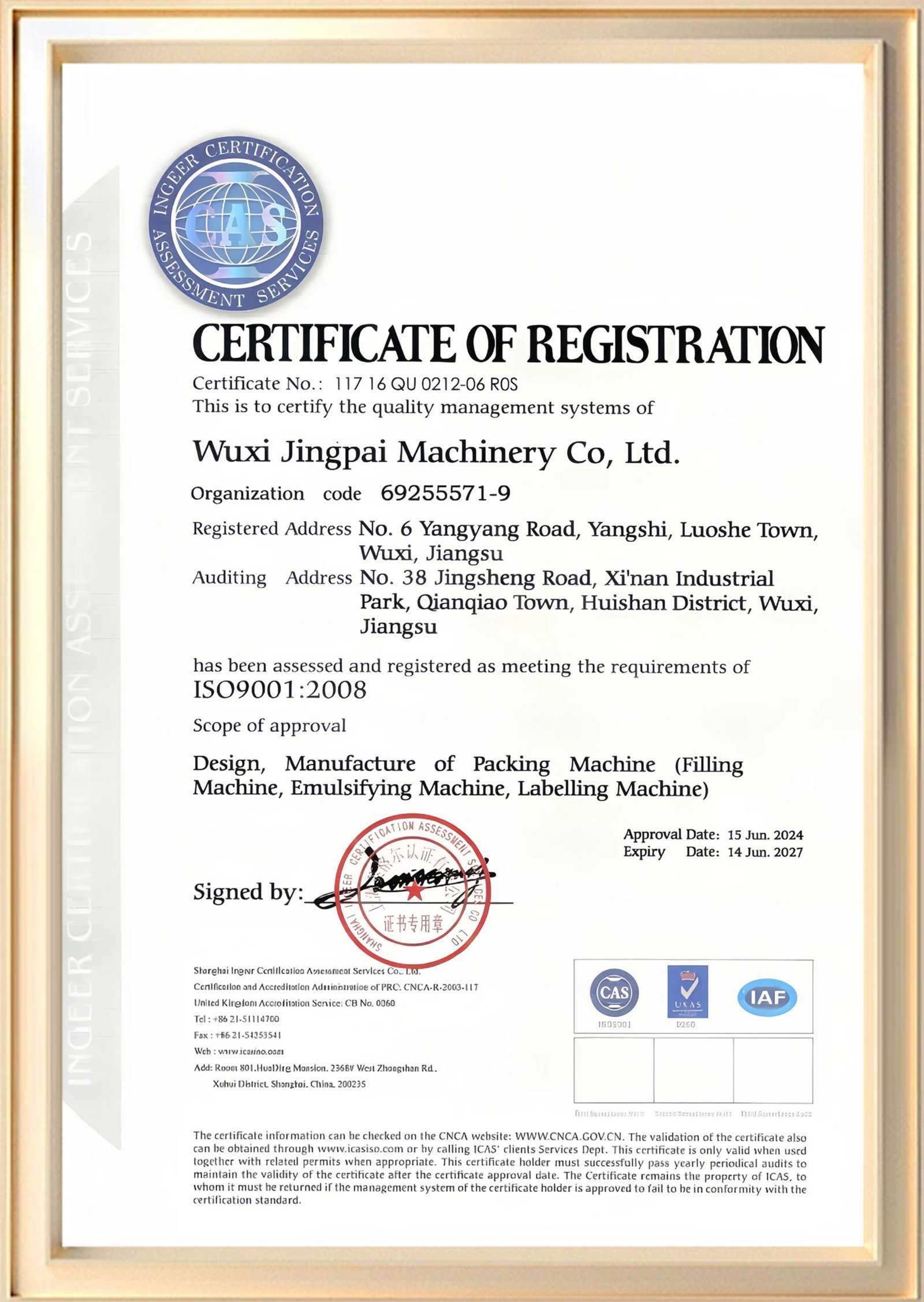

TRUSTED BY PROFESSIONALS WORLDWIDE


From Small Batches to Scalable Tube Filling
Growing cosmetic, pharmaceutical, food and chemical brands often reach a point where manual filling creates inconsistent fill weights, weak seals, slow output and high labor dependence. The right tube filling and sealing machine should solve today’s bottleneck while leaving enough capacity and flexibility for the next stage of growth.
Choose the Automation Level for Your Production Stage
| Production stage | Best-fit setup | Main selection priorities | Plan for next |
|---|---|---|---|
| R&D and small batches | Manual or semi-automatic tube filling | Low minimum batch size, easy cleaning and fast product changeover | Stable recipes, tube-material trials and repeatable fill settings |
| Growing multi-SKU brand | Semi-automatic or compact automatic filler-sealer | SKU flexibility, operator loading, sealing quality and changeover time | Reserved controls and space for feeding, coding and inspection |
| Stable high-volume production | Fully automatic tube filling and sealing line | Sustained output, filling accuracy, tube orientation, seal inspection and data control | Cartoning, checkweighing and line integration |
Information to Confirm Before Selecting a Machine
- Product: viscosity range, abrasives or particles, filling temperature and cleaning requirement.
- Tube: plastic, laminate or aluminum material; diameter, length, cap style, eye mark and seal type.
- Output: realistic units per shift, number of SKUs, batch size and planned growth.
- Quality: acceptable fill-weight tolerance, seal appearance, batch coding and inspection method.
- Integration: mixer and holding-tank output, product transfer, tube feeding, checkweighing and cartoning.
- Validation: run the actual product and tube through a sample test before final machine configuration.
A scalable line is not simply the fastest machine. It is the system that can maintain product quality, reliable seals and practical changeovers at the required production rate. Send King Pack your product, tube and output details for a configuration recommendation and sample trial plan.
