 Skip to content
Last reviewed: September 14, 2026.
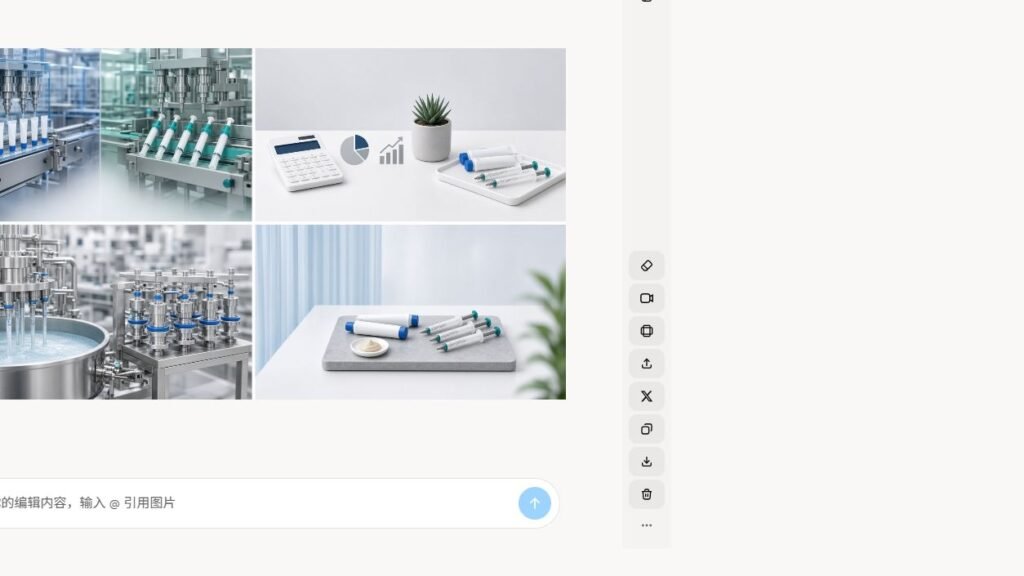
A pet-paste business should consider in-house tube or oral-syringe filling when recurring demand, frequent campaigns and the value of schedule and process control can justify annual equipment, facility, labor, quality and changeover costs. Contract manufacturing is generally the lower-risk route when demand is uncertain, campaigns are infrequent, the owner lacks a suitable quality system or facility, or a qualified contractor already provides difficult capabilities economically.
There is no universal break-even batch size. Compare both routes using the same annual SKU demand, package scope, release requirements and saleable-unit denominator. This article owns the paste, tube and syringe make-or-buy decision; the existing small-pet-pharma drop-filling ROI article remains the broader investment reference for liquid drop filling.
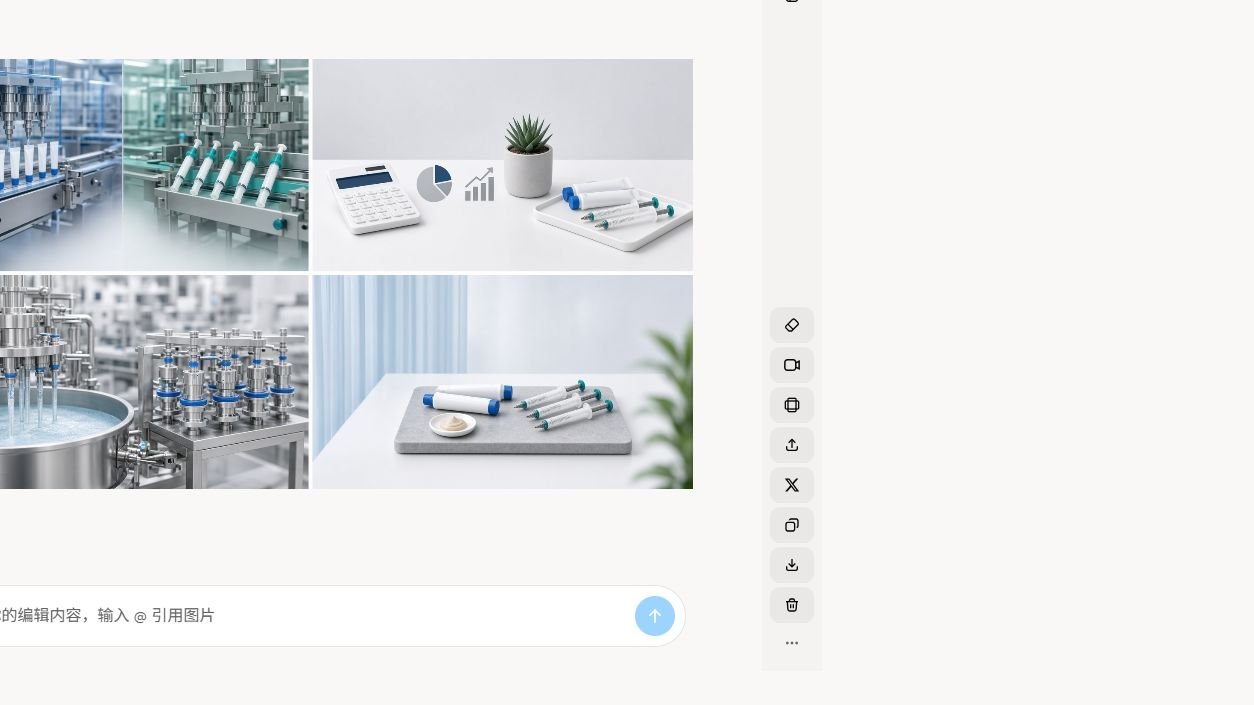
Quick answer: Build two annual landed-cost models for the same released tube or syringe. The CMO model should include minimum orders, batch setup, conversion, tooling, testing, release, quality oversight, freight, inventory and change costs. The in-house model should include annualized equipment and facility cost, operators, utilities, maintenance, quality and validation, cleaning, changeover time, startup loss, rejects and working capital. Choose only after representative paste and package trials confirm feed, dosing, cutoff, air control, closure or sealing and cleanability.
1 Define the Same Scope for Both Options
Direct answer: Compare the annual cost of one saleable, released package for the same formula, pack and market rather than comparing a machine price with a contractor's conversion fee.
List demand by SKU, target fill, tube or syringe dimensions, closure or seal design, secondary pack, batch size, campaigns per year, forecast range and required release date. Separate launch, base, downside and upside cases. Many small SKUs can create more setup, cleaning, testing and release work than one large annual total suggests.
Set the process boundary. Include bulk receipt or preparation, transfer, filling, tube sealing or syringe closure placement, coding, inspection, rejects, secondary packing, testing, release, storage and freight as applicable. If the CMO quote includes cartoning while the equipment quote stops at a filled package, add the missing operations before comparison.
Use saleable released units as the denominator. Record trial or contracted values for setup samples, process checks, seal development, rejects and batch-end residual. Keep unknowns as ranges; do not hide uncertainty inside one optimistic yield percentage.
| Decision input | Unit | Why it matters |
|---|---|---|
| Annual demand by SKU | Saleable tubes or syringes | Sets campaigns, capacity and inventory |
| Batch and campaign plan | kg, units, batches/year | Drives setup, cleaning and release events |
| Package format | Tube or oral syringe | Changes tooling, sealing, closure and inspection |
| Quality scope | Tests and release duties | Prevents hidden owner-side work |
| Required lead time | Calendar days | Affects stock and service risk |
2 Separate Tube and Syringe Format Economics
Direct answer: A tube line and an oral-syringe line may fill the same paste, but they create different handling, closing, inspection and change-part requirements.
For tubes, define material, diameter, length, print-mark orientation, seal method, coding position and tail trim. Plastic or laminate tubes typically need controlled hot-air or ultrasonic sealing depending on the selected system; aluminum tubes require folding. The purchased configuration and package trials determine the actual method.
For oral syringes, define front or rear filling, barrel and flange support, tip or cap, plunger or piston assembly, orientation, dose presentation and any applicator interface. Thick paste can trap air or leave strings at the nozzle, so the trial must connect upstream deaeration, transfer, dosing and shutoff.
If both formats are required, model shared upstream preparation separately from dedicated downstream packaging. One flexible filler is not automatically cheaper than two simpler cells after tooling, cleaning, recipe control and validation are counted. Ask suppliers to state what is genuinely shared and what must be changed or duplicated.
| Factor | Tube format | Oral-syringe format |
|---|---|---|
| Package control | Orientation, seal and trim | Barrel support, tip/cap and plunger |
| Primary defect risks | Tail contamination, weak or skewed seal | Air, stringing, cap or plunger error |
| Change parts | Holders, jaws, guides and code setup | Nests, nozzle, cap and plunger tooling |
| Evidence | Seal and visual acceptance | Dose, closure and functional acceptance |
3 Build the Contract-Manufacturing Landed Cost
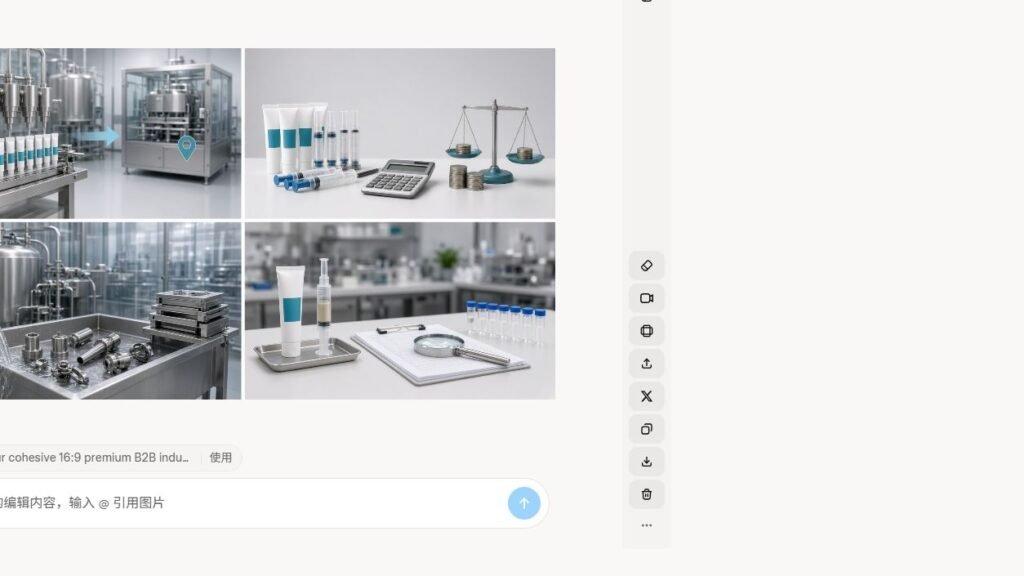
Direct answer: The CMO case includes every cost needed to receive a compliant, released and usable package, including work that remains with the product owner.
Collect conversion charges, minimum batch or campaign commitments, setup and changeover fees, tooling, technology transfer, method transfer, stability or release testing, samples, deviation work, storage, freight and destruction. Record which charges recur per batch, SKU, package lot or year.
Add owner-side supplier qualification, audits, quality-agreement management, forecasting, purchase administration, artwork approval, batch-document review, complaint support and release responsibilities. FDA's quality-agreement guidance and EU outsourced-activity principles emphasize that outsourced work must be defined and controlled; a commercial quotation does not allocate quality duties by itself.
Model lead-time and inventory effects independently of conversion price. Longer queues or large minimums can create additional working capital, obsolescence or service risk. Use the owner's approved financial assumptions rather than converting every risk into an invented surcharge.
4 Build the In-House Total Cost of Ownership
Direct answer: The in-house case combines annual fixed ownership cost with batch, unit and risk costs over a stated evaluation period.
Include equipment, change parts, installation, utilities, room changes, material handling, inspection, coding, cleaning tools, laboratory or in-process equipment, validation support, training and initial spares. State useful life, residual value, financing and discount assumptions separately so reviewers can change them.
Add operators, supervision, maintenance, calibration, utilities, cleaning agents, quality and validation labor, testing, documentation, software administration, preventive maintenance, spare parts and service. Separate productive time from setup, cleaning, format change, planned stops and release holds.
Include product loss at priming, sampling, rejects and line clearance using trial data or ranges. Batch-end residual can be material for valuable or high-viscosity pastes, but recovery must follow the approved quality process. A vendor's nominal fill speed cannot establish annual saleable capacity without these losses and calendar constraints.
5 Treat Cleaning and Changeover as Capacity Events
Direct answer: SKU count affects annual cost through clearance, disassembly, cleaning, inspection, sampling, reassembly, recipe restoration and first-off approval.
Create a product-family and format-change matrix. Identify product-contact parts, residue risk, viscosity or drying behavior, tube or syringe change parts, tools, cleaning method, dirty and clean hold assumptions, sampling and release. The manufacturer must establish product-specific procedures and acceptance criteria.
For each change type, model labor hours, blocked line time, cleaning materials, samples and laboratory delay. Do not assume a supplier's demonstrated rinse cycle equals site cleaning validation. FAT can prove access, drainage, functions and records; it does not set residue limits or replace product-specific validation.
Campaigning related SKUs can reduce changeovers but may increase inventory. Compare the lower operating burden with shelf-life, demand and working-capital consequences. Keep the sequence and assumptions visible in the make-or-buy workbook.
6 Compare Quality Control and Decision Rights
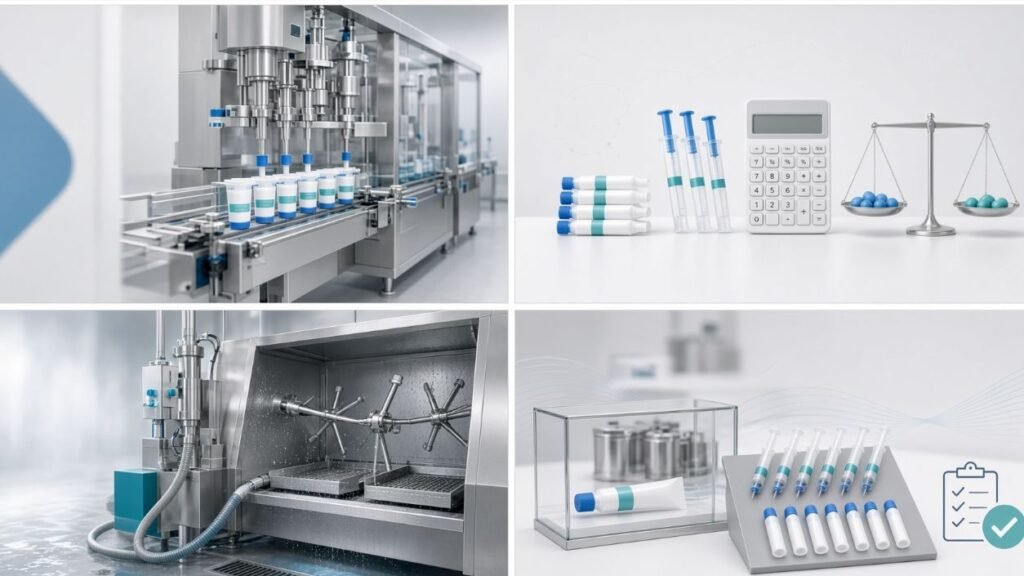
Direct answer: Choose the route that can reliably deliver approved material, process records, investigation response and change control—not merely the lowest apparent unit cost.
For a CMO, define responsibilities for incoming materials, master records, in-process controls, testing, release, deviations, out-of-specification results, changes, complaints, recalls, records and subcontracting. Confirm audit access, data timelines and communication. The product owner should assess applicable regulatory and marketing-authorization duties with its quality team.
For in-house production, identify who owns SOPs, training, batch records, calibration, cleaning validation, process qualification, environmental or hygiene controls, testing, release and continued verification. If these resources do not yet exist, include the build time and cost rather than assuming production starts when the machine arrives.
Evaluate responsiveness as well as responsibility. In-house teams may change schedules or investigate faster, but only if competent people and systems are available. A strong CMO may provide deeper specialist capability; confirm this through due diligence and the quality agreement.
7 Model Capacity with Real Campaigns
Direct answer: Annual capacity is the number of released saleable units that fit into the available calendar after all campaign losses and constraints.
For every SKU, calculate required input units from saleable demand and the current evidence range for losses. Add setup, warm-up or conditioning, filling, replenishment, checks, stoppages, clearance, cleaning, format change and planned maintenance. Apply shift calendars, staffing and quality-labor availability.
Check both mass flow and package flow. A filler may be limited by paste preparation, transfer, sealing or closure feeding, inspection, manual loading, secondary packing or laboratory release rather than the dosing station. Ask for an integrated cycle-time statement with identified assumptions.
Run downside demand, extra campaign, longer changeover and slower package scenarios. Capacity headroom should be deliberate; unused speed is not waste if it protects service, but speculative high speed should not justify unnecessary automation.
8 Consider a Staged Automation Path
Direct answer: A staged line can reduce forecast risk when controls, package interfaces and future expansion are planned from the beginning.
A small operation may start with controlled bulk feed and semi-automatic dosing, then add automatic tube handling, sealing, syringe closure assembly, inspection or secondary packing. The stage should still support approved materials, repeatable settings, cleaning access, guarding and records.
Define what must survive an upgrade: product-contact path, dosing principle, recipes, package data, room layout, utilities, operator access and validation documents. Buying an inexpensive isolated filler can create rework if it cannot synchronize with the later sealing or closure station.
Compare staged investment with repeated qualification, extra labor, temporary bottlenecks and duplicate tooling. Use the KING PACK tube filling machine range and KING PACK syringe filling machine range as configuration starting points, then confirm the actual paste and components by trial.
9 Run Representative Product and Package Trials
Direct answer: A purchase decision should be supported by trials that reproduce the intended formula state, package tolerances and operating transitions.
Provide representative paste, tubes or syringe components from relevant lots, drawings, target fill, temperature window, batch and hopper conditions, cleaning restrictions and approved test methods. Record surrogate limitations if the commercial product cannot be supplied.
Test startup, normal running, low hopper level, planned stop, restart and batch end. Observe feed continuity, air, dose, nozzle cutoff, package contamination, seal or closure result, rejects, residual product, disassembly and cleanability. Use traceable sample identities and agreed acceptance methods.
Require settings, observations, raw results, deviations and unresolved actions. A short favorable video is not an acceptance record. The same evidence should feed the equipment URS, FAT plan, site qualification and the financial model.
| Trial risk | Challenge | Evidence for the decision |
|---|---|---|
| Feed stability | Full, normal and low hopper state | Dose trend and air observations |
| Cutoff | Normal run and defined restart | Tip, tail or closure-zone cleanliness |
| Package handling | Tolerance samples and misfeed | Alignment, sensor and reject response |
| Closing | Tube seal or syringe closure challenge | Approved visual or functional result |
| Cleaning | Drain, teardown and access review | Residual locations, time and task list |

10 Use a Transparent Make-or-Buy Worksheet
Direct answer: The decision team should be able to change one assumption and see its effect on cost, capacity, cash and risk.
Create rows for fixed annual, per-batch, per-unit and working-capital inputs. Show base, downside and upside values. Calculate annual landed cost and cost per saleable released pack, then show the major drivers without claiming a universal break-even point.
Add non-financial criteria such as supply control, confidentiality, technical learning, speed of change, quality-system readiness and dependence on one external site. Apply approved weights and show the unweighted facts alongside the score.
Use gates: formulation and package feasibility, regulatory and quality strategy, facility readiness, sample trial, supplier acceptance and approved business case. A low modeled cost should not move the project past an unresolved product-contact or closing risk.
11 Review the Pet-Paste Project with KING PACK
Direct answer: KING PACK can turn demand, formulation and package data into a preliminary tube or syringe line scope and test plan for the buyer's TCO model.
KING PACK Machinery is a China-based manufacturer of pharmaceutical, veterinary, cosmetic and liquid filling and packaging equipment, with core solutions covering tube filling and sealing, vacuum emulsifying, liquid filling, pet spot-on filling and prefilled syringe production systems.
For a pet-paste project, the review can cover preparation or bulk feed, transfer, hopper design, dosing, nozzle cutoff, tube sealing or syringe closure handling, coding, inspection, rejects, cleaning access, change parts, layout, utilities, documents and FAT. Final product studies, quality responsibilities and release remain with the manufacturer.
Send annual demand by SKU, batches and campaigns, paste properties, package drawings and samples, current CMO scope and charges that can be shared, cleaning requirements and test methods through the KING PACK contact page. These inputs support a comparable configuration and TCO worksheet.
Frequently Asked Questions
When should pet-paste filling move in-house?
Consider in-house production when recurring demand and campaigns can support fixed ownership cost and when schedule, process or knowledge control has material value. Confirm the case with representative trials.
Is there a standard break-even batch size?
No. Break-even depends on SKU demand, campaigns, CMO minimums, package format, changeover, yield, facility and labor costs, quality work and financing assumptions.
What belongs in CMO landed cost?
Include conversion, minimums, setup, tooling, transfer, testing, release, oversight, freight, storage, inventory, deviations and owner-side work.
What belongs in in-house TCO?
Include annualized equipment and facility cost, labor, maintenance, utilities, quality and validation, testing, cleaning, changeover, losses, spares and inventory.
Can one line fill both tubes and syringes?
Some systems can share upstream or dosing functions, but format handling and closing differ. Compare shared versus dedicated modules using product and package trials.
Does outsourcing transfer all quality responsibility?
No. Written agreements should allocate activities and communication, while each party retains applicable responsibilities. The product owner must maintain appropriate oversight.
What should the sample trial prove?
It should cover feed, dose, air, cutoff, package handling, sealing or closure, inspection, rejects, stops, residual product and cleaning access under defined conditions.
What should be sent to KING PACK?
Send annual demand by SKU, campaign plan, paste properties, tube or syringe drawings and samples, target fill, cleaning requirements, test methods and current outsourced scope.
