 Skip to content
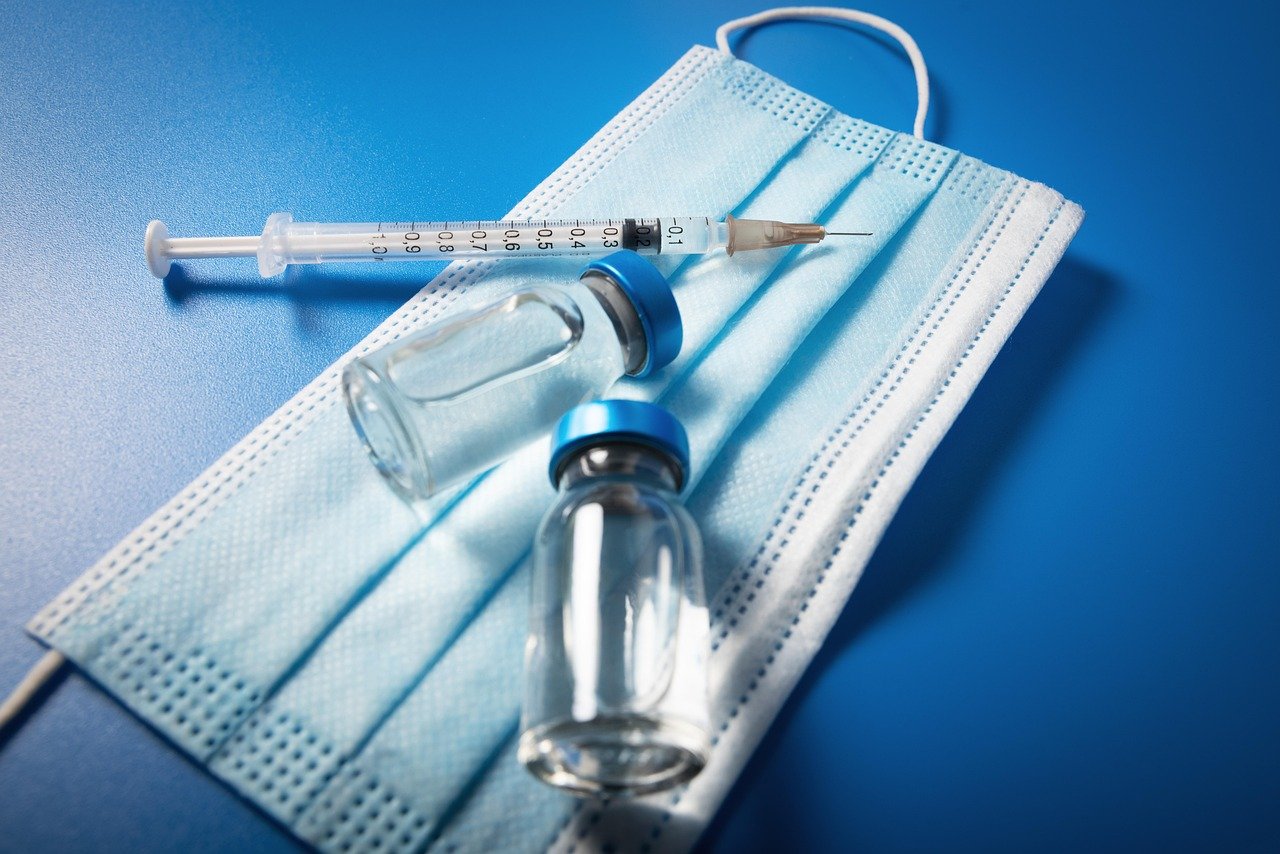
In the pharmaceutical, biotech, chemical, and healthcare industries, the right filling machine is at the heart of safe and efficient drug production. Whether you’re handling liquid filling machines, powder filling machines, or specialized aseptic filling machines, your choice directly affects filling accuracy, production speed, regulatory standards, and long-term business growth.
Modern vial filling machines are no longer standalone devices. They are part of an integrated production line. This line can include filling and capping, labeling solutions, conveyor systems, and packaging technologies. Businesses need to consider factors like container sizes, volumetric filling methods, changeover time, floor space, hygiene and compliance, and overall production throughput.
This guide explains the critical role of vial filling in your business, the evolution of filling technologies, key machine types, factors to consider, and the leading manufacturers shaping the industry.
The Critical Role of Vial Filling in Your Business
Why Vial Filling Accuracy and Efficiency Matter
When it comes to injectable drugs, diagnostics, or biotech formulations, filling accuracy and production speed can make or break operations. A single dosing error may cause regulatory non-compliance or pose safety risks. That’s why modern vial filling machines use volumetric fillers, piston pumps, peristaltic pumps, flow meters, and servo control systems to achieve precise dosing with minimal waste.
Efficiency is important during mass production or vaccine campaigns. An optimized production line with advanced automatic filling machines can fill products quickly. This ensures high output while keeping product quality.
The Evolution from Manual to Automated Filling Machines
Historically, manual filling relied on basic syringes and hand dispensers. Today, automated filling machines and semi-automatic liquid filling machines provide consistency and speed. Manufacturers use
- PLC control systems
- Programmable controllers
- Pneumatic systems
- Metering systems
- Servo pump based liquid filling machines
These tools help them control filling ingredients, monitor liquid levels, and distribute products with great precision.
What This Guide Will Cover
This article covers:
- What vial filling machines are and their applications.
- Types of filling technologies, including liquid filling systems, powder filling machines, and piston filling machines.
- Key considerations like control systems, hygiene, container sizes, and production throughput.
- Integration of filling and capping, labeling systems, and conveyor systems into a complete Vial Filling Line.
- Insights on sourcing, scalability, and customer reviews to guide your decision.
Understanding Vial Filling Machines
What Is a Vial Filling Machine?
A vial filling machine is a specialized liquid filling machine designed to fill vials with sterile liquids or powders. It can be configured for semi-automatic machines or automatic liquid filling machines depending on production needs.
Key components include:
- Filling nozzles
- Filling heads
- Valve systems
- Liquid storage tanks
- Volumetric pistons
- Pneumatic systems
Together, these ensure accurate dosing, controlled filling time, and compliance with regulatory standards in a sterile environment.
Applications in Pharmaceuticals, Biotech, and Healthcare
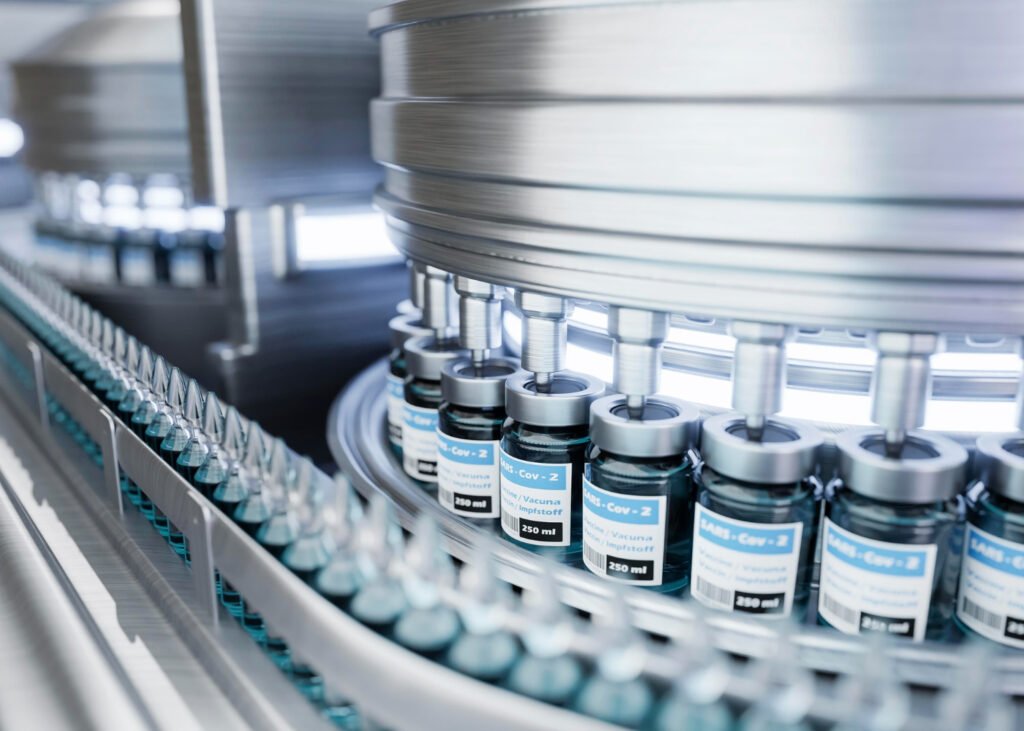
Vial filling machines are important in pharmaceutical, biotechnology, and healthcare industries. They ensure sterile, precise, and efficient packaging of sensitive formulations. In the pharmaceutical sector, these machines play a major role in the production of injectables, vaccines, eye drops, antibiotics, and a wide range of liquid formulations that must be handled under strict GMP standards. Maintaining filling accuracy is critical for patient safety. It is also important for regulatory compliance. This is especially true for life-saving drugs where small dosage errors can be harmful.
In biotechnology, vial filling machines are used for advanced therapies. These include monoclonal antibodies, recombinant proteins, and cell and gene therapy products. These uses require aseptic filling technologies and sterile environments. They also need strict following of regulatory standards. Automatic liquid filling machines and aseptic filling machines with servo control systems and PLC control systems are widely integrated to achieve high production throughput, precise fill rates, and reduced changeover times. Biotech startups often prefer semi-automatic liquid filling machines for small-scale production. These machines offer flexibility and keep quality control.
In the healthcare sector, vial filling machines extend beyond pharmaceuticals and biotech drugs. They are used for nutritional supplements, diagnostic reagents, and vaccines distributed on a mass scale. Vial filling lines combined with filling and capping solutions, labeling systems, and packaging equipment streamline the production line for faster product distribution. High-speed volumetric liquid filling machines with stainless steel 316L construction, silicone and vinyl food-grade tubing, and explosion-proof systems are often employed to meet hygiene and compliance standards.
From clinical trial batches to mass production, vial filling machines support the entire lifecycle of medicine and healthcare product development. These machines help businesses increase production safely and efficiently. They ensure sterility in injectable liquid filling machines. They provide flexibility in powder filling machines for lyophilized products. They also integrate automated filling machines with advanced metering systems like peristaltic pumps, ceramic pumps, and piston pumps.
Types of Vial Filling Machines
Liquid Vial Filling Machines
Liquid filling machines and injectable liquid filling machines are equipped with peristaltic pumps, piston pumps, or gear pumps for precise dosing. They support volumetric filling, pressure filling, gravimetric filling, and time-pressure filling methods.
These machines are widely used in liquid filling systems for vaccines, biotech drugs, and hospital-ready medications. Models vary from semi-automatic liquid filling machines for small-scale production to automatic filling machines for mass production.
Powder Filling Machines
Powder filling machines are best for sensitive pharmaceutical products like antibiotics, hormones, and lyophilized drugs. They keep dosage precise and products stable. These machines use advanced filling technologies. Examples include vacuum filling systems, auger fillers, and gravimetric filling methods. These methods help achieve exact weight and consistent product quality. In large production lines, powder filling machines often work with lyophilizers. This helps keep temperature-sensitive products stable and effective during and after filling.
The use of stainless steel construction, GMP-compliant design, and closed filling systems ensures sterility and prevents contamination in a clean room environment. Modern automated filling machines reduce filling time. They increase production speed. They also lower the need for operator involvement. This is very important for aseptic filling and high-volume manufacturing. As a result, they are indispensable for pharmaceutical companies aiming to meet regulatory standards while ensuring reliable performance in mass production.
Automatic Filling and Stoppering Machines
Fully automatic liquid filling machines integrate filling, stoppering, and capping into a single production line. With servo control systems, PLC control systems, stainless steel construction, and aseptic filling chambers, these machines offer maximum production throughput with minimal changeover time.
High-Speed vs. Semi-Automatic Machines
- High-speed automatic machines: Best for mass production with advanced automation technology and conveyor systems.
- Semi-automatic machines: Affordable, flexible, and ideal for benchtop piston filling machines or small-scale production.
Key Factors When Choosing a Vial Filling Machine
- Production Capacity and Production Speed – Match your production line requirements with your expected throughput. Consider fill rate, filling time, changeover time, and product distribution.
- Sterility and GMP Standards – Choose machines designed for aseptic filling, clean rooms, non-aseptic filling, and sterile environments.
- Flexibility and Container Sizes – Machines should support different container sizes, bottle shapes, necks, and caps.
- Cost, ROI, and Maintenance – Look beyond upfront costs. Factor in customer service, quality control, and availability of spare parts.
- Filling Technologies – Compare volumetric fillers, piston filling machines, rotary filling equipment, gravimetric filling, servo pump systems, and vacuum filling systems.
Integrating Vial Filling with Other Systems
- Vial Filling and Capping Machines – Combine filling and capping for better sterility.
- Labeling Solutions and Systems – Ensure regulatory compliance with clear identification.
- Conveyor Systems – Streamline movement across the production line.
- Automated Filling Machines + Packaging – Create a full Vial Filling Line with labeling, blister packs, and automatic blister cups filling and sealing machines.
Where to Buy Vial Filling Machines
When you buy a vial filling machine, choose a supplier who delivers reliable equipment. The supplier should also understand the unique needs of pharmaceutical, biotech, and healthcare manufacturers. King Pack is a trusted name in the industry, offering a wide range of filling solutions including vial filling machines, liquid filling machines, and powder filling machines. Their equipment is designed to meet GMP standards, ensure filling accuracy, and support both small-scale production and mass production environments.
With a focus on advanced automation technology, King Pack provides filling and capping systems, volumetric liquid filling machines, and injectable liquid filling machines that can be customized to fit different container sizes, product viscosities, and production speeds. They also prioritize hygiene and compliance, using Stainless Steel 316L construction, food-grade tubing, and explosion-proof systems to ensure safe and sterile operation.
By choosing King Pack, businesses benefit from durable machines, efficient customer service, and solutions that enhance production throughput while reducing changeover time. King Pack offers aseptic filling machines for sterile environments. They also provide semi-automatic liquid filling machines for flexible use. Their equipment meets current regulatory standards. It also supports future growth needs.
Conclusion – Selecting the Best Vial Filling Solution
Choosing the right vial filling machine means balancing production speed, filling accuracy, GMP standards, filling technologies, container sizes, and automation technology. Whether you need semi-automatic machines, automatic liquid filling machines, or a complete vial filling line, the right partner can ensure long-term success.
Companies looking for reliable and cost-effective solutions can choose King Pack . They offer many types of liquid filling machines, powder filling machines, piston filling machines, and industrial filling machines. Their machines are designed for compliance, efficiency, and durability.
Contact King Pack today to explore customized vial filling and processing solutions tailored to your business.
Related resources: Encyclopedia resources and What is a Vial Filling Machine?.
